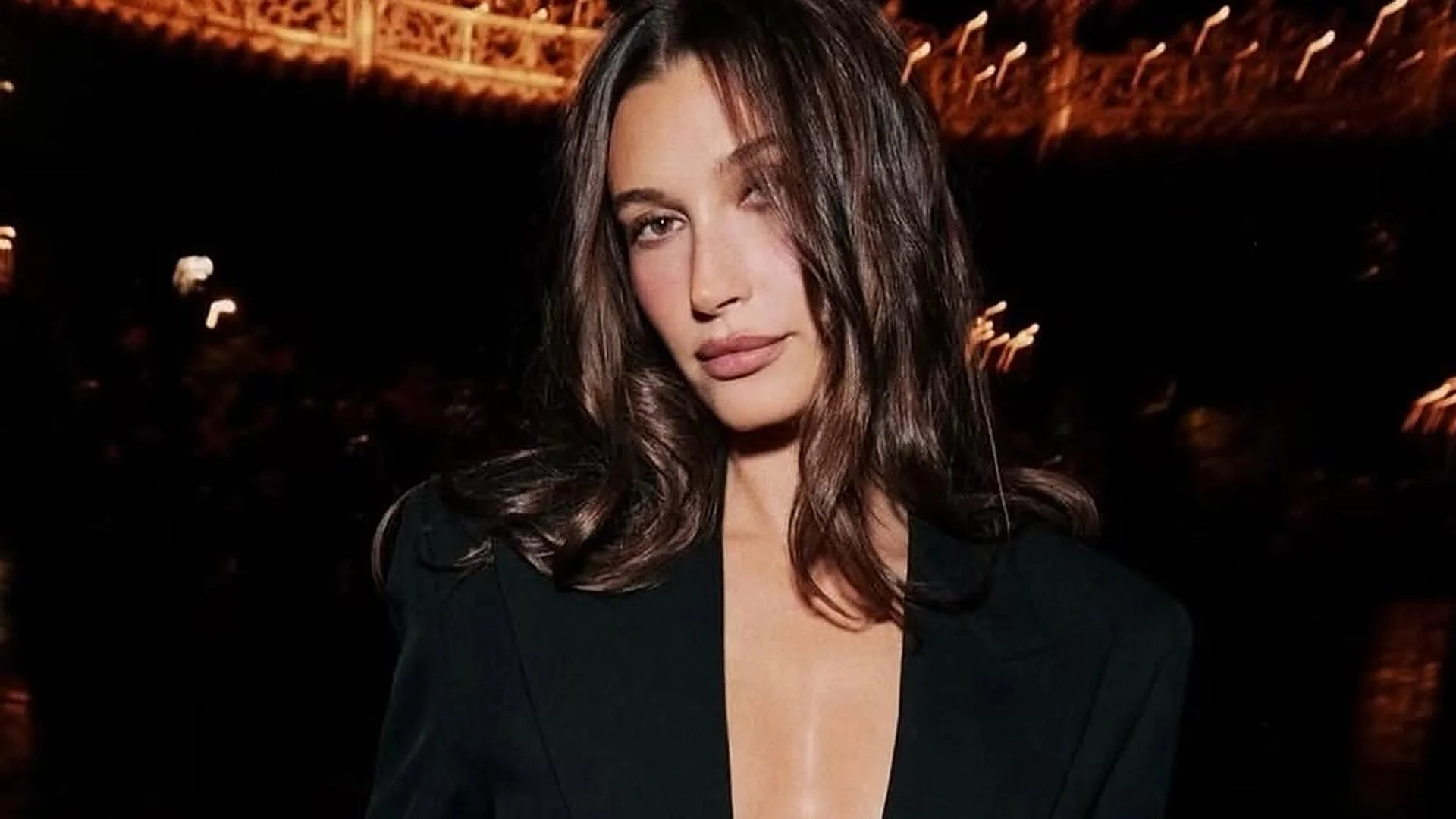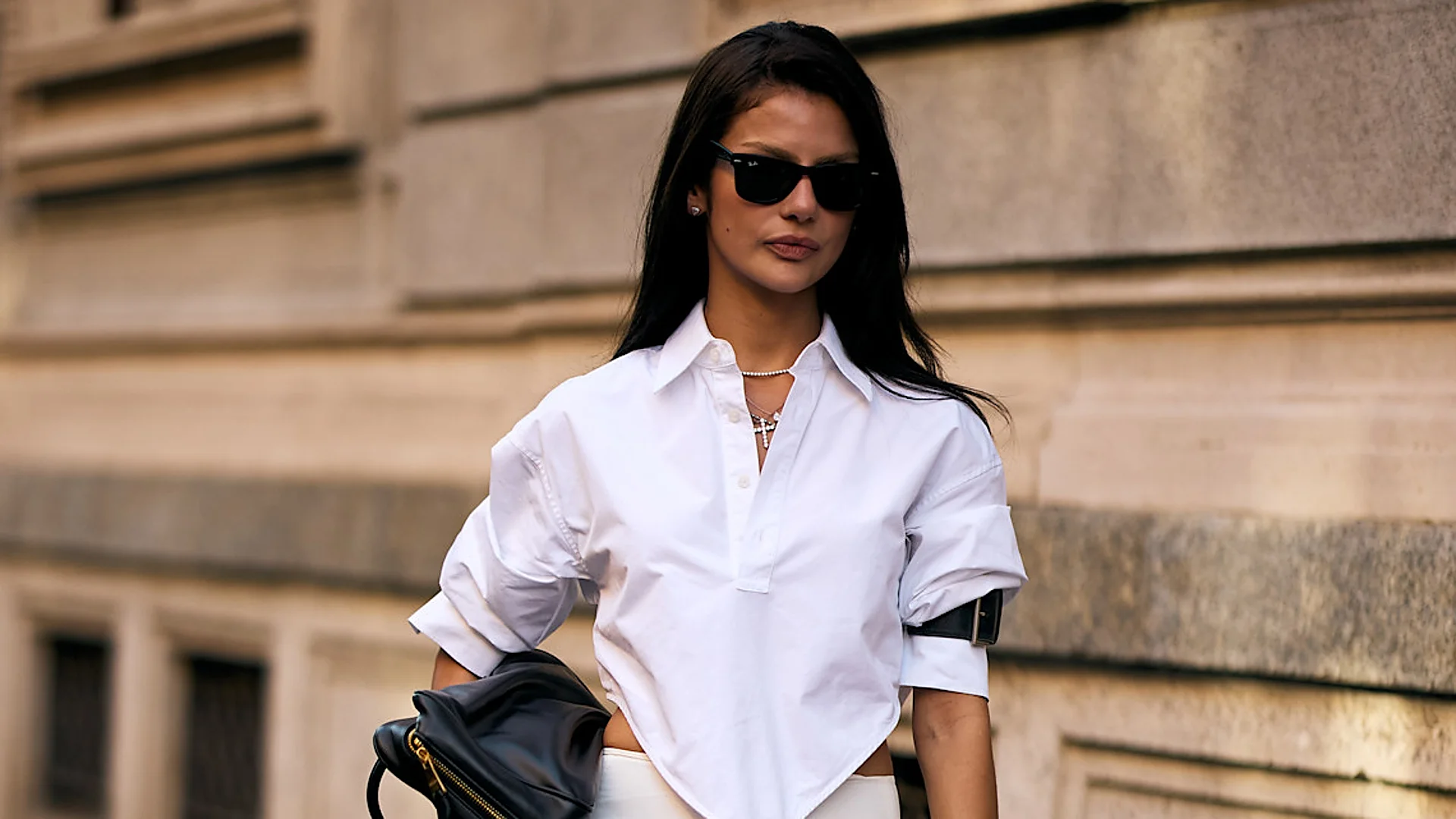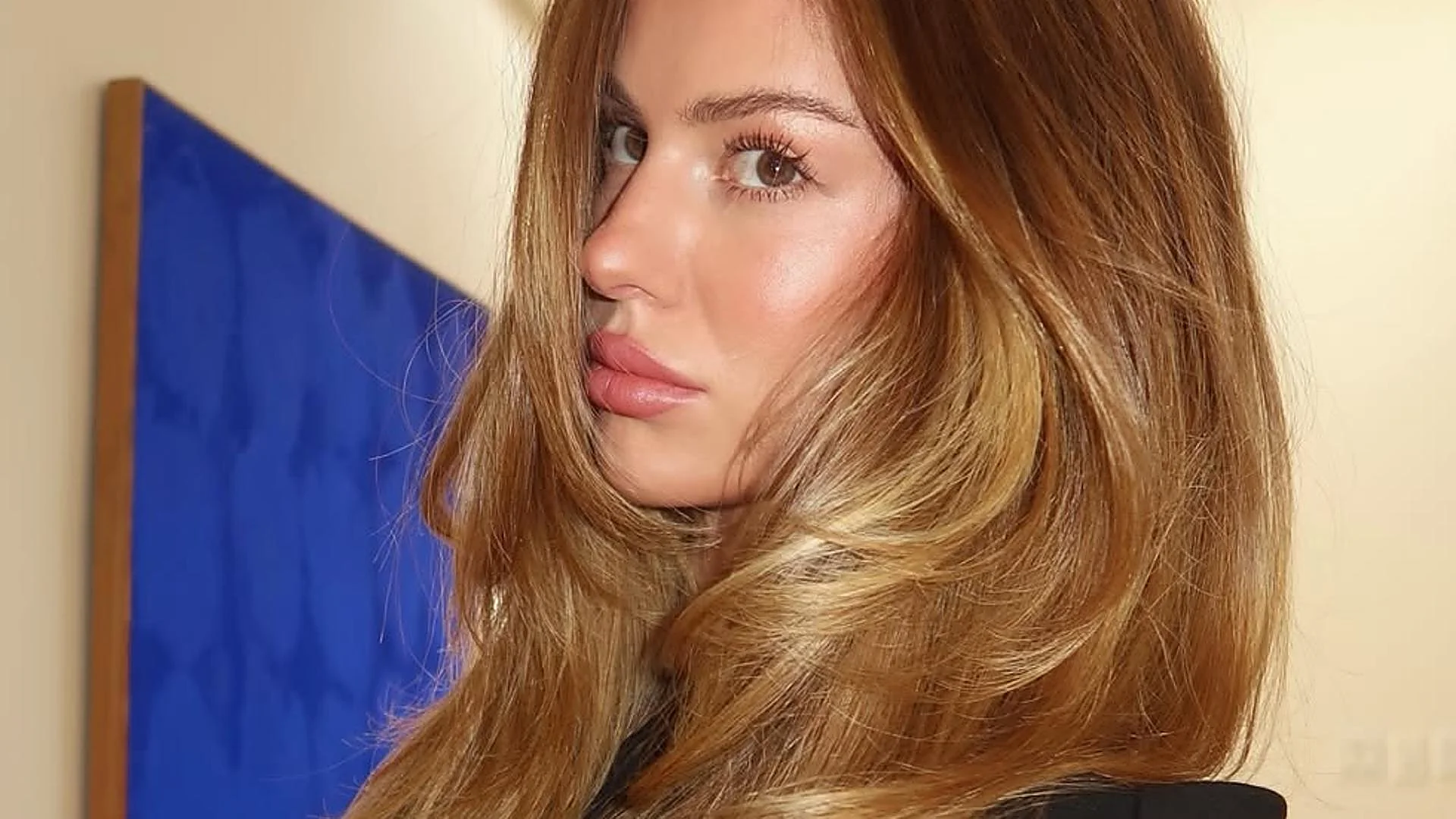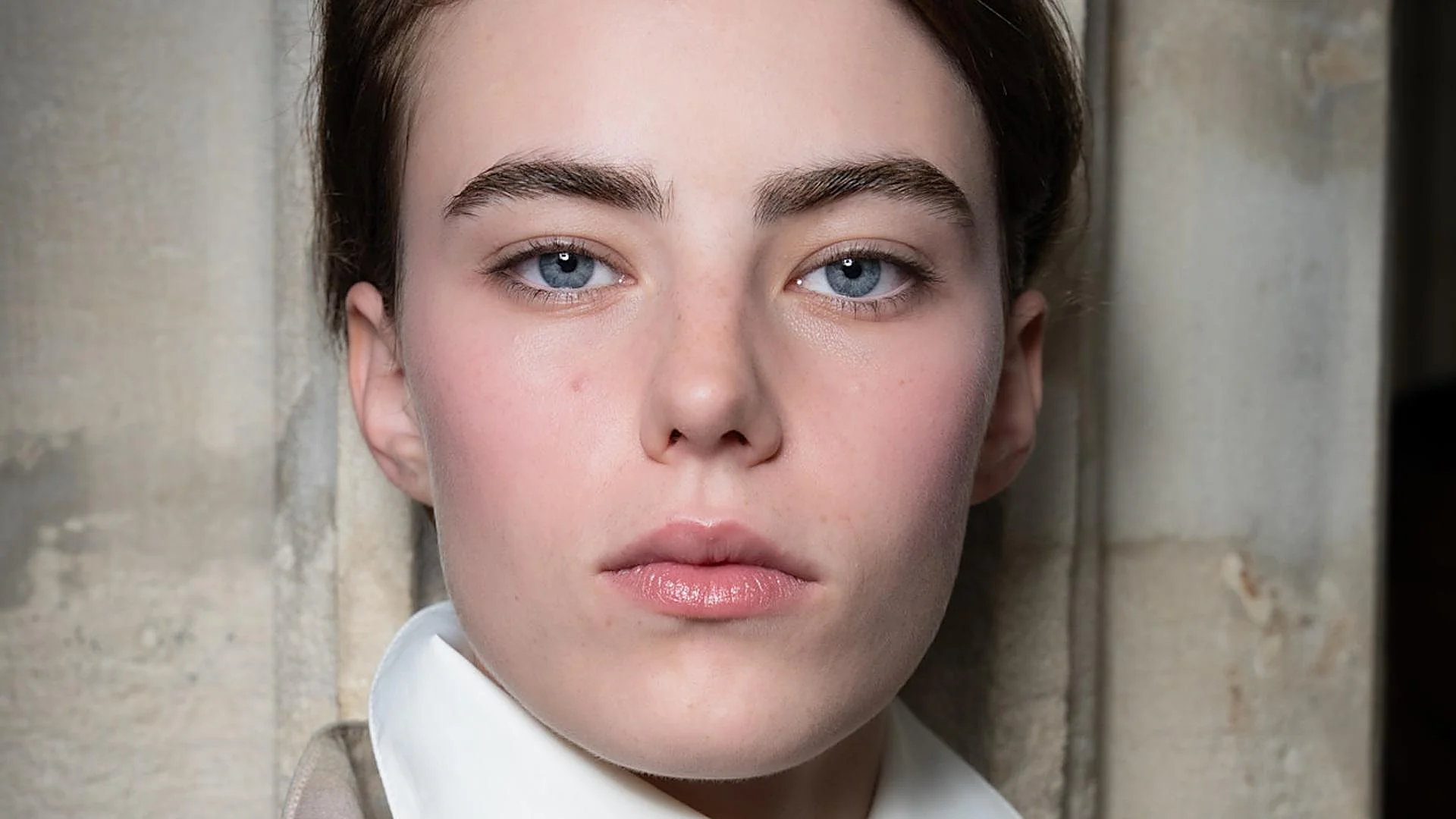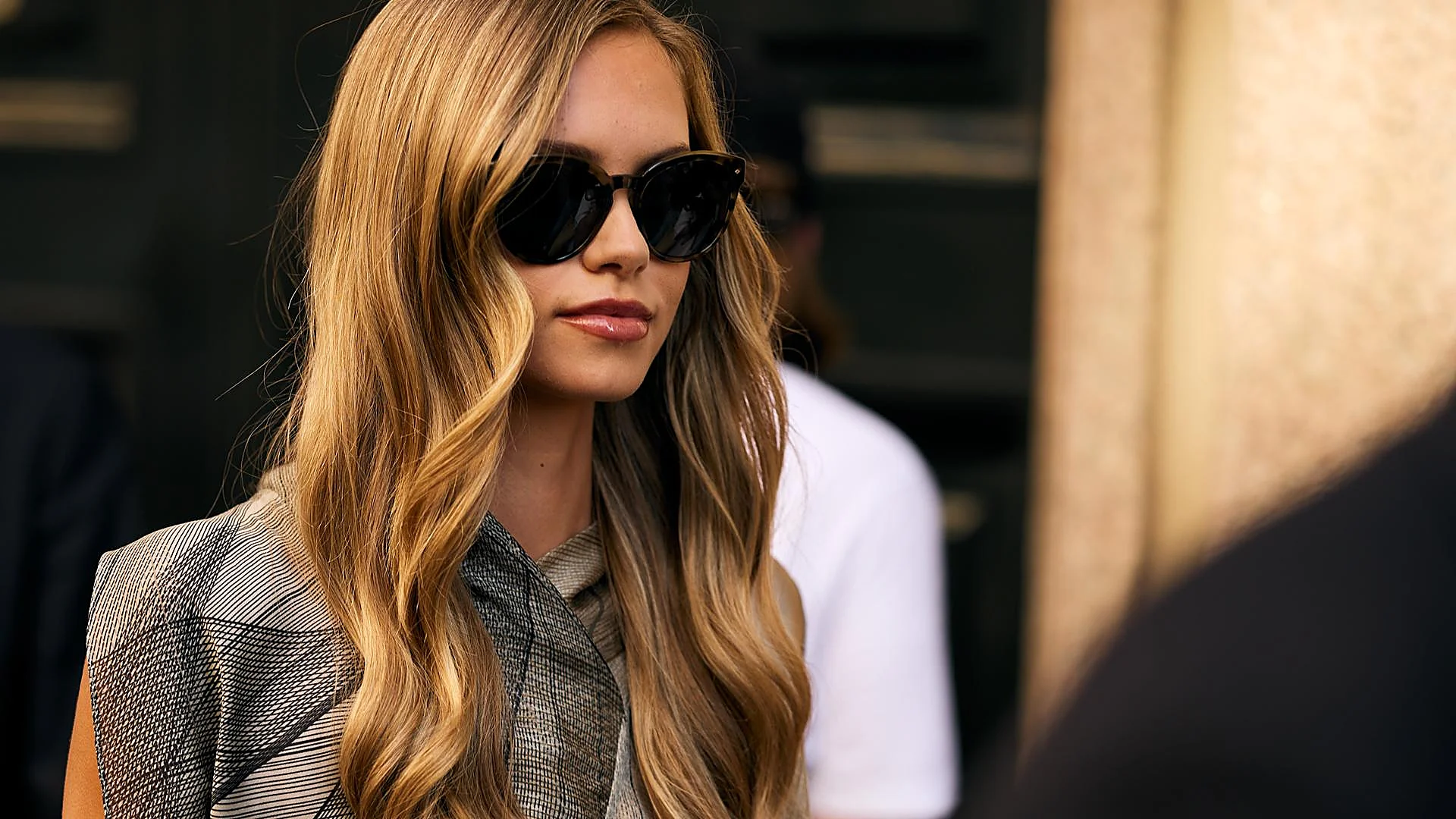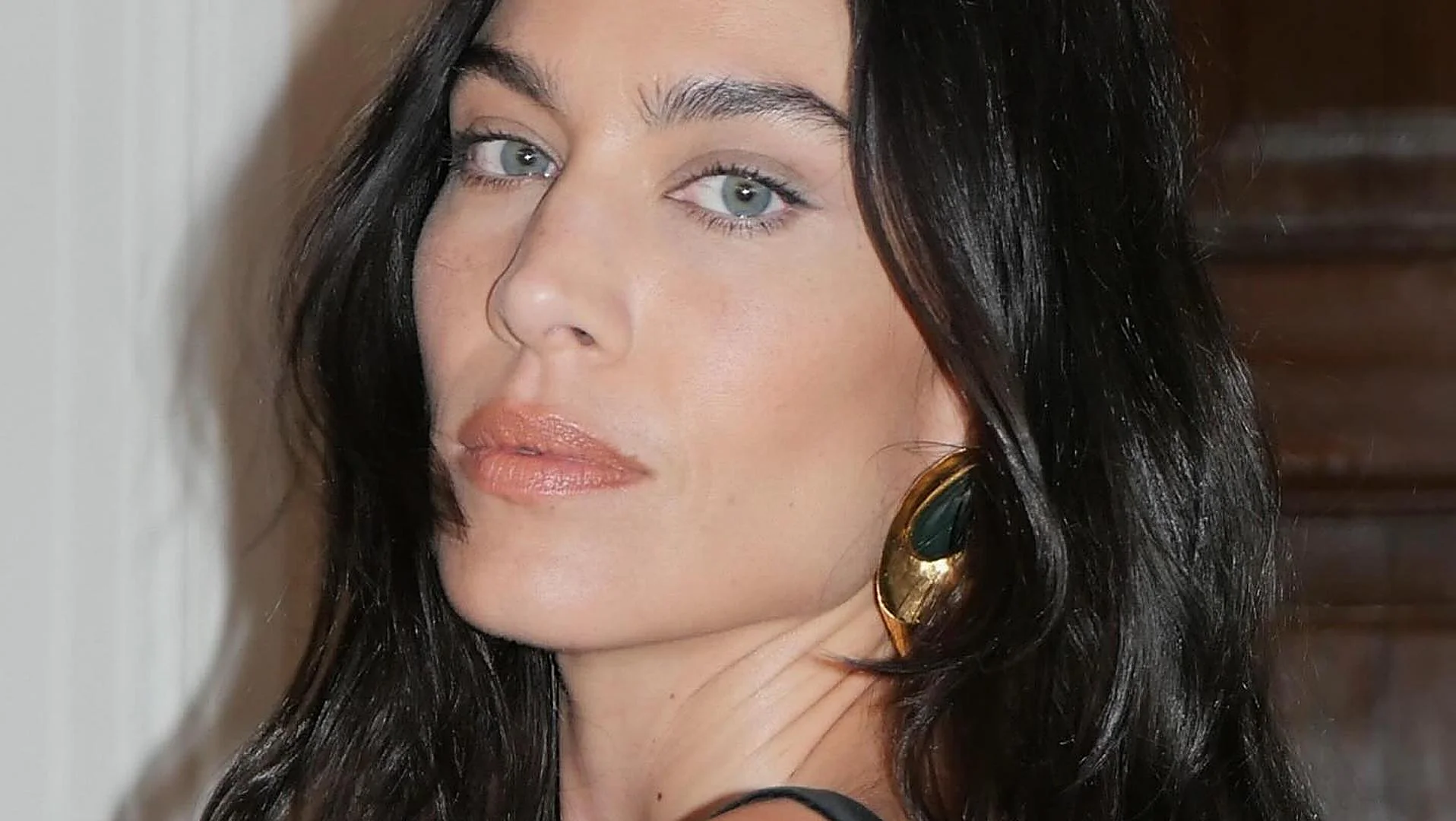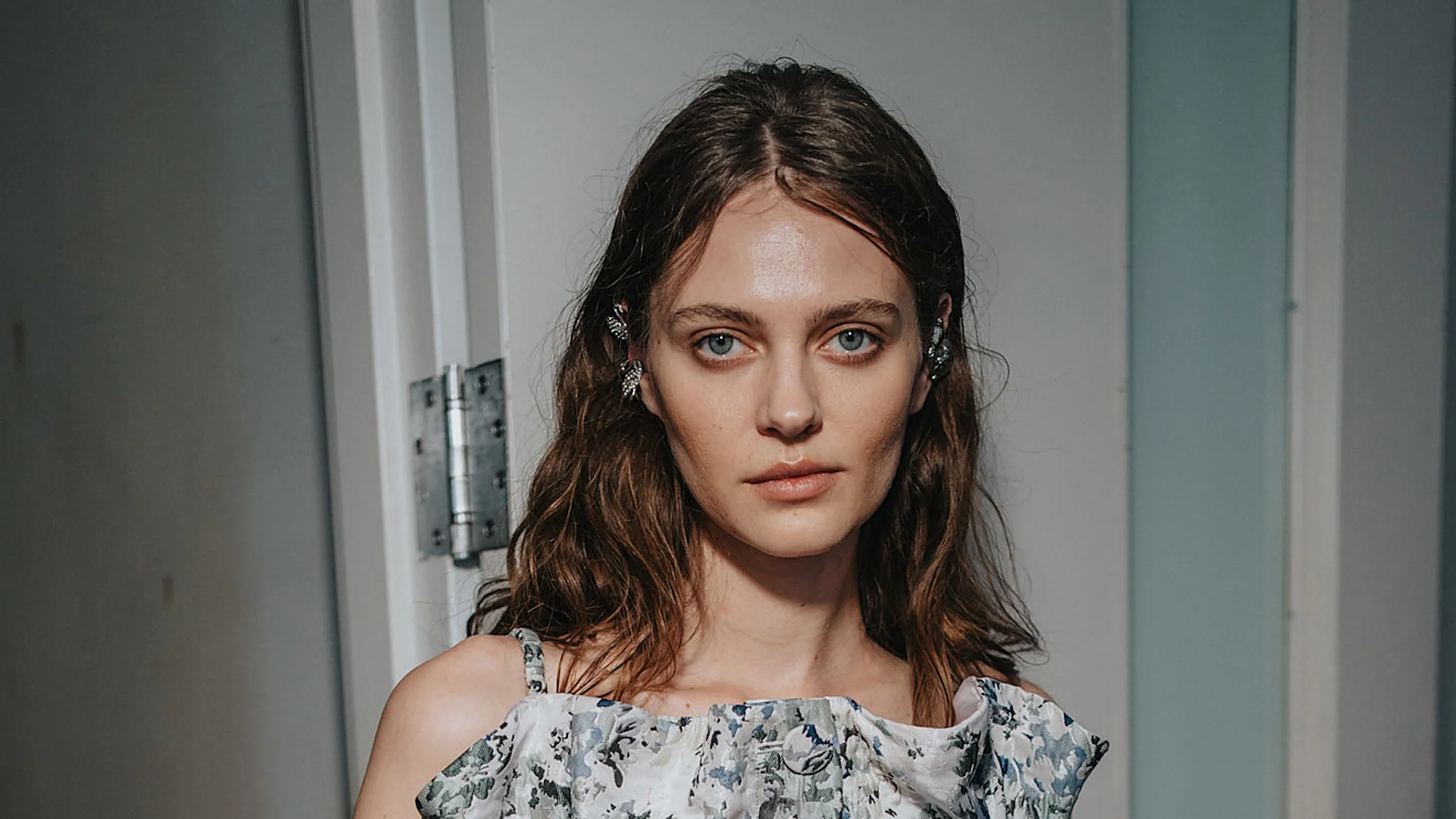
For years, perfectly polished hair, millimetric waves, and hairstyles that seemed to stay intact were the main stars of current trends. Now, however, we find ourselves at the moment when we seek movement, texture, and finishes that look less worked, even though behind that apparent spontaneity there is prior work. The goal is no longer to transform the hair at all costs, but to make it look beautiful while remaining true to what it is.
This change has much to do with a new paradigm in the beauty sector. Just as in fashion, where comfortable, fluid, and easy-to-wear garments gain ground, imperfect waves triumph in hair, natural volume, defined curls without rigidity, and loose strands. That said, having a natural finish doesn’t mean neglected. In fact, achieving that casually styled natural finish requires knowing its texture, caring for it, and learning to work with it without constantly subjecting it to processes that could damage it.
Working on Our Hair
“Just as in fashion, hair is the most beautiful garment we wear on us and, moreover, the only one we never take off,” explains Asun Pont, who is part of Kérastase’s education team. The professional makes this comparison and believes that “fashion bets on pieces with movement, looseness, more casual and easy to wear,” something that is also related to hair since we see “less rigidity, more naturalness and personality”. That said, the expert points out that this naturalness does not mean that the hair is not cared for; “naturalness well worked requires a lot of knowledge and a lot of care.” She also adds that the relationship with the salon has changed because “we do not only go to cut, color, or style, but to dedicate time to the health of the scalp and the hair, with a complete diagnosis and a personalized treatment.”
For Yos Baute there is a regression to natural hair and more and more we opt to wear the hair as natural and healthy as possible. This is because we take better care of the hair, use fewer heat tools, and avoid coloring processes that, in the long run, damage the hair fiber. What we also see is that the natural texture stands out and our true hair identity is revealed. Therefore the idea is not to abandon the hair dryer, the straightener, or styling tools entirely, but to use them in a more conscious way. “Wearing natural hair does not mean we don’t take care of it or that we abandon the tools altogether” Baute notes. “They can be used to dry, define, or enhance the hair, always avoiding habitual exposure to excessive heat or overly elaborate looks,” the expert concludes.
Imperfect Is Not a Defect
Two trends have contributed especially to changing our perception of natural hair: the curly movement and air-dried hair. The former has vindicated curly and wavy hair and, above all, has taught many people to know and care for their own texture instead of trying to constantly modify it. The result has been a shift in the idea of perfection. “They have done something very positive: they have changed our definition of perfection,” Pont notes, adding that “hair beauty no longer has to look worked; it has to look like our personality.”
Air-dried hair is one of the main champions of this new current. With it we can achieve an attractive and natural result. For Yos Baute, this technique gives the hair “naturalness and freshness.” The expert concludes that “imperfect waves, natural volume, controlled frizz, and loose strands with movement have made imperfection stop being a synonym of neglect, highlighting it.” The professional also points to trends that value curly and wavy hair, as well as volume as a hit of this same trend. This has led to more girls loving their curls and learning to take care of them.
Naturalness and Hair Health
We may think that natural hair only needs to air-dry and that’s it, but the key lies in working with the texture rather than fighting against it. “Natural doesn’t mean neglected. It means knowing our texture and knowing how to enhance it,” explains Asun Pont. That’s why the cut becomes fundamental: a good structure can make the hair work both naturally and with a minimal amount of styling. The goal is that the product accompanies the hair and “the styling accompanies the hair and enhances what makes it unique,” Pont summarizes.
Naturalness also has an important consequence: the less we want to hide the hair under very elaborate hairstyles, the more evident its real condition becomes. A brittle fiber, excessively dry, or heat-damaged hair is harder to disguise when the finish aims to be natural. Now we find ourselves at a moment where we no longer want to hide, we want to fix”—Pont considers. And that concern begins at the scalp, with a growing trend toward more personalized diagnoses in the salon.
In this context, Kérastase is incorporating tools such as K-Scan, combined with generative AI, to analyze the state of the scalp and the hair fiber and interpret that information to tailor care. “Today we don’t just want to know how our hair is; we want to know how it can evolve to prevent, care for and protect better,” explains the educator. It also changes the way we understand the routine. All-in-one products give way to more personalized rituals, with different steps and formulas according to each hair’s needs. It is the layering concept, inherited from Asian beauty rituals, now applied to hair care.
First We Repair, Then We Work
The pursuit of naturalness cannot be separated from the quality of the fiber. When hair is very damaged, the first step should be to recover its condition before attempting to achieve certain finishes. Yos Baute highlights the importance of a routine tailored to each hair type, with “hydrating shampoos and masks, lightweight leave-in products, heat and sun protectors, creams specifically for curls and waves, oils and ends repairers or texturizing sprays.” In the case of curly hair, techniques such as scrunching — gently squeezing the hair from the ends toward the root to help define the curl — become allies to enhance the texture without modifying it,” the professional considers.
The cut also plays an important role in this new naturalness. Yos Baute recommends “textured bobs, well-structured mullets accompanied by open bangs, shags whether wavy or more curly, and long manes with layers around the face at different lengths.” In short, it’s not about seeking a perfectly geometric shape, but about finding a structure that works with each person’s specific texture. “Cuts that work in favor of the hair,” Pont summarizes.
Products to Achieve Natural-Looking Hair
Frizz Glaze Cream by Kérastase.
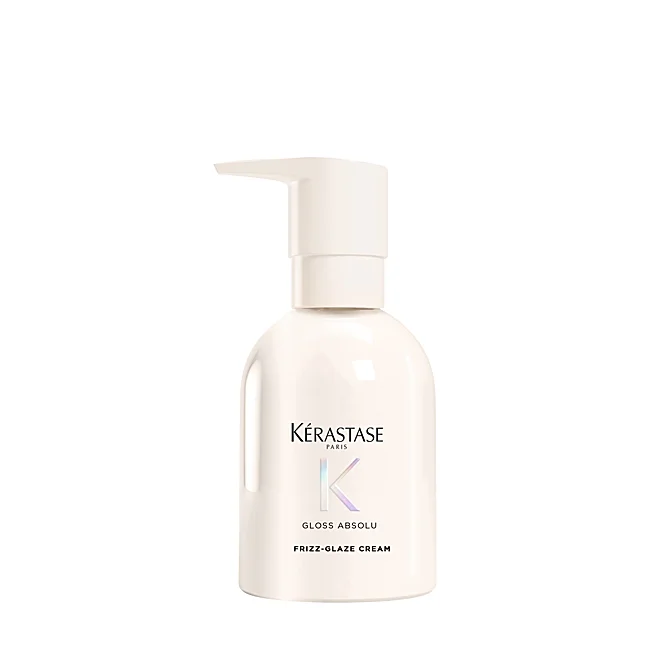
Kérastase
Frizz Glaze Cream is a cream intended for thick hair that helps prevent frizz. It makes styling easier and has a very smooth texture. (49.50 euros)
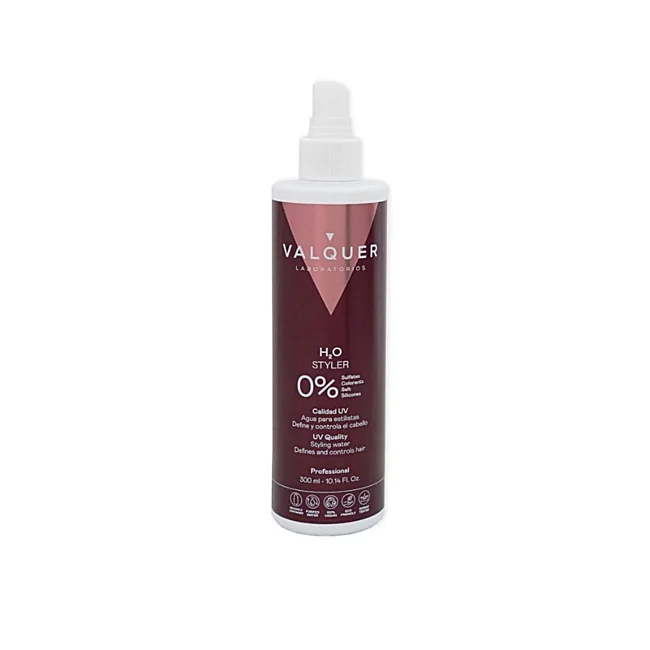
H20 Styling Water by Valquer Laboratories.
Valquer Laboratories
H20 Styling Water for stylists is a product to achieve a natural finish and facilitate hair styling. It also helps set the hair, without leaving residues. (16.50 euros)
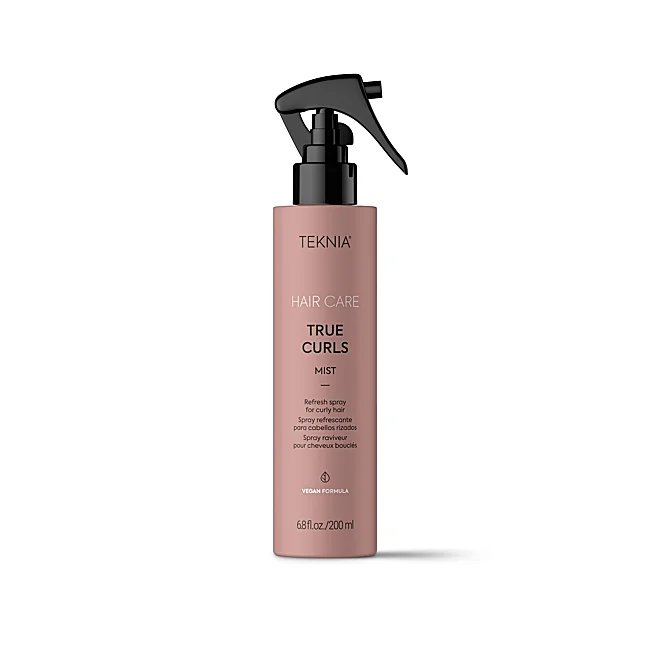
True Curls by Teknia.
Teknia
The refreshing spray True Curls is indicated for use on curly hair. A leave-in product that hydrates, while reducing frizz. Defines the curls, leaving them with a natural look. (27 euros)
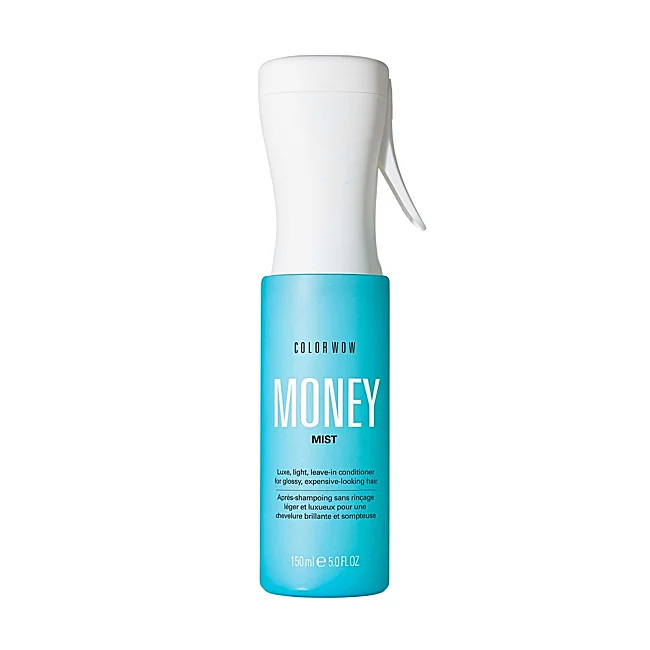
Money Mist by Color Wow.
Color Wow
Money Mist is a leave-in conditioner that achieves a hair with a shiny and very light appearance. It leaves the hair smooth but does not leave residues or weigh it down.