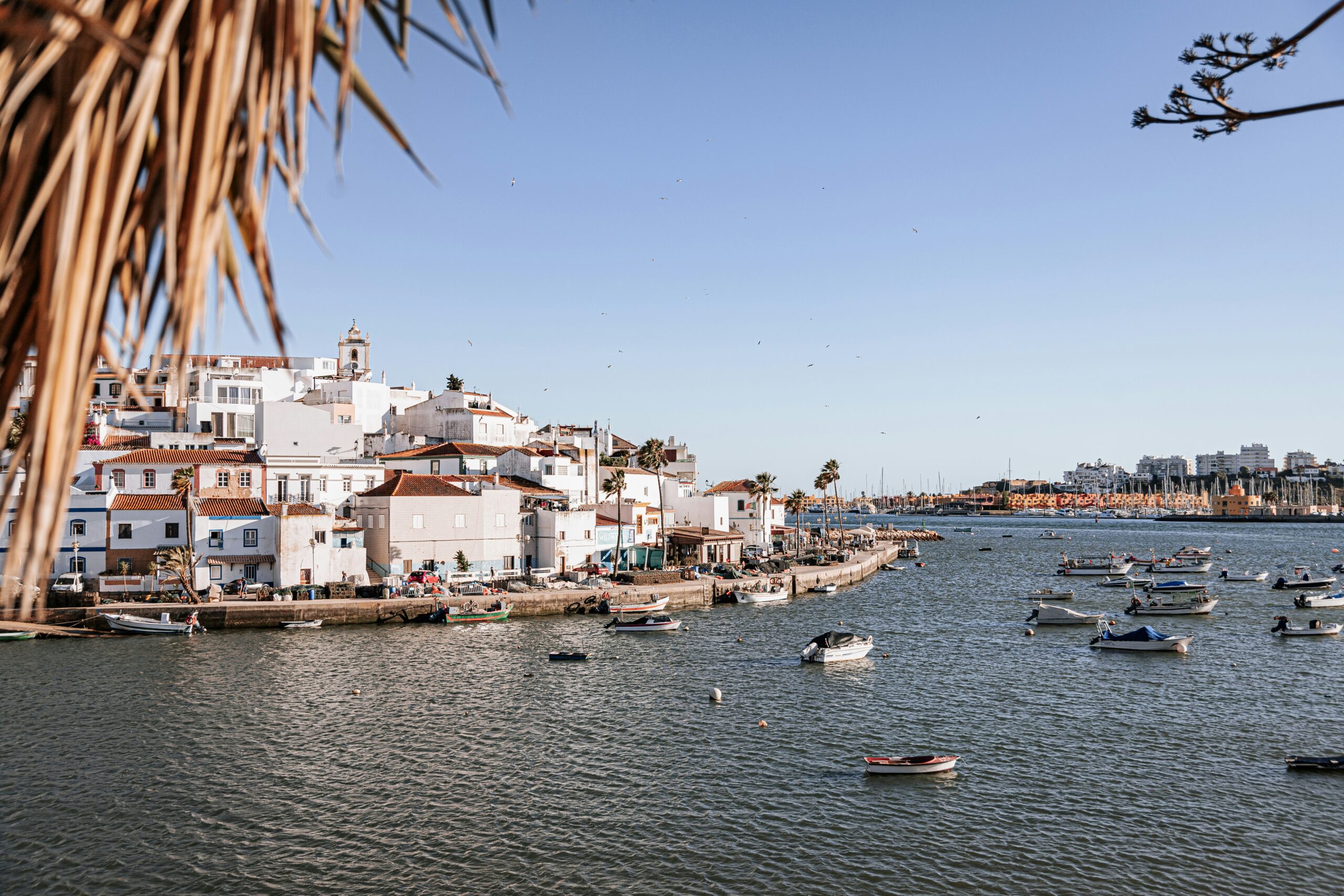
Algarve has more than 3,000 hours of sunshine a year, which is why its tourism narrative has been built with the sea in view. Of course. But it is enough to drive along the EN125 or divert toward the interior roads to discover another region, far more interesting than the condos and resorts that have colonized some points of the coast. Between Tavira and the western end, fortresses, fish markets, lace-patterned chimneys, old canneries, and Portuguese villages with a great deal of charm appear.
It is also worth clarifying what we mean here by ‘village’. In this selection, small hamlets, fishing villages, and towns of some standing such as Tavira or Olhão are included because, if you are going to roam southern Portugal, it would be absurd to leave them out for a matter like this. Moreover, they allow us to understand the different layers of the Algarve: the Islamic heritage, the past linked to tuna fishing and canning, the vernacular architecture, and that mountainous interior that too often is relegated to a day trip on a cloudy day.
The Algarve spans about 200 kilometers from east to west, and the secondary roads invite a certain calm. Cacela Velha, Tavira, and Olhão work well on an eastern route; Alte and Monchique compel you to look inland; Ferragudo, Burgau, and Salema fit better if your base is in the Barlavento.