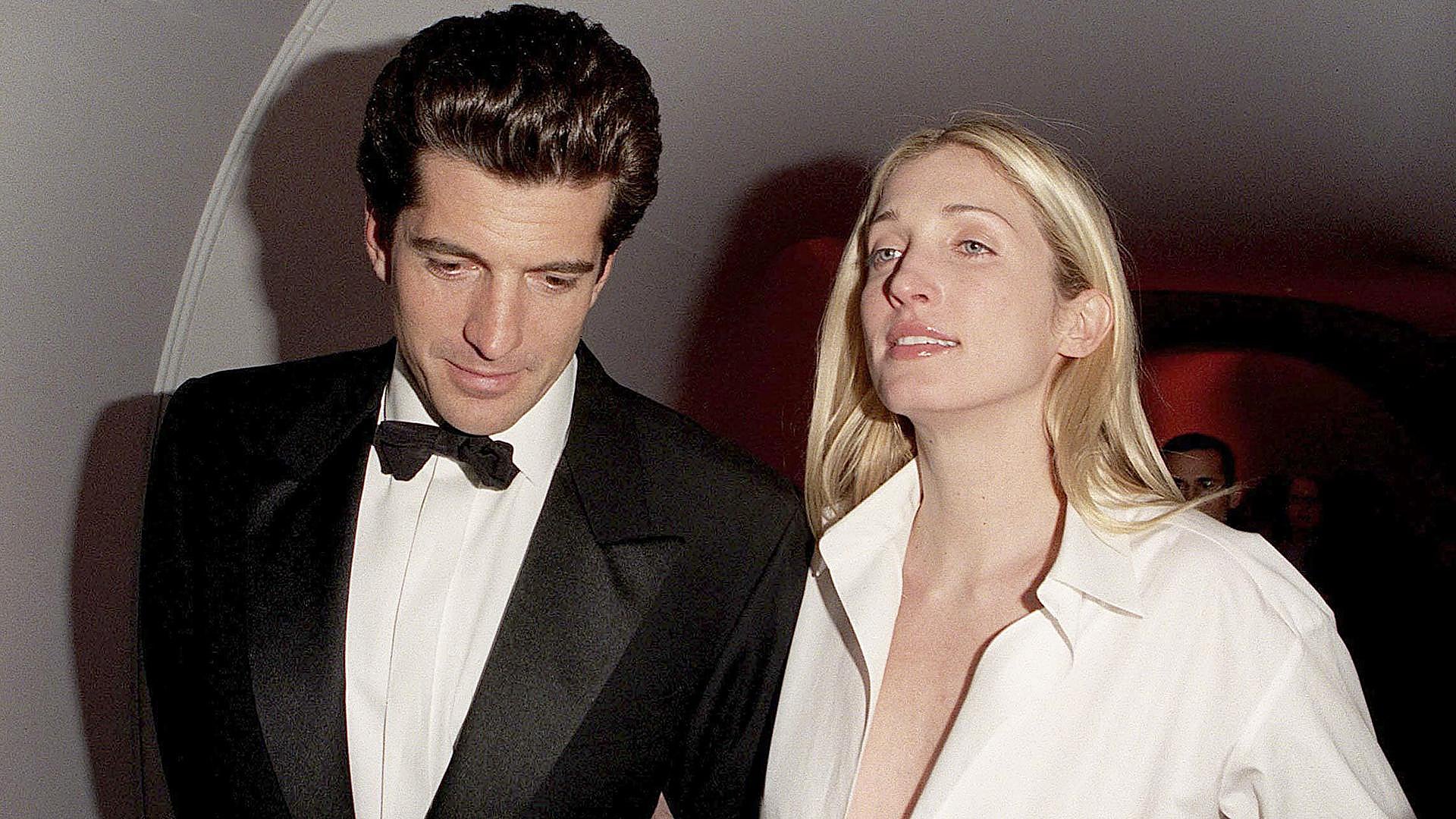
The love story of John F. Kennedy Jr. and Carolyn Bessette possesses the ingredients that make narratives legendary: beauty, power, and a tragedy that shocked the world. In fact, it has already become part of the mythology of the American elite and, thanks to Ryan Murphy, also part of his collection of anthology series, devoted to episodes especially relevant in the pop history of his country. Among them had to be Love Story (Disney Plus).
We know how the spark, romance, and wedding of John F. Kennedy Jr., known in the press as John John, and Carolyn Bessette in the 90s ended, although we won’t spoil the matter here. We also know that the ideas and comings and goings of this handsome couple were extensively documented by the relentless press of the era, so there exist details of all kinds about their relationship. Some verified, many absolutely invented.
The success of Love Story has been brutal, demonstrating the extended shadow that the Kennedy family still projects over the global imagination. In fact, one of the first people to bitterly complain about the series has been Jack Schlossberg, JFK Jr.’s nephew, who accused Ryan Murphy of “cashting in” on the legacy of his uncle in a “grotesque” way. His charge: Murphy, whom he calls a “pervert,” dramatizes intimate and scandalous moments of the couple. And he concludes: “You’re earning millions with John, turning him into a public spectacle, but you’re not going to contribute any of your wealth to the causes he championed or to the public service legacy that he represented.”
The second and more impactful accusation came from actress Daryl Hannah, the girlfriend of John John Kennedy when he met Carolyn Bessette and even during a brief breakup of the Love Story leads. Hannah was a sex symbol of the era: a striking blonde with an aura of absolute innocence. Also a striking, desired and famous figure, a profile very consistent with the romantic history of the young Kennedy, who had affairs with Cindy Crawford, Madonna or Sarah Jessica Parker. After watching the series, she published an op-ed in The New York Times.
Hannah Denounces Falsehoods in Love Story
“Never in my life have I used cocaine nor organized cocaine-filled parties,” she clarified. “I have never pressured anyone to marry. I have never desecrated any family relic nor intruded in anyone’s private memory. I have never leaked any story to the press. I never compared Jacqueline Onassis’s death to that of a dog. I find it horrific to have to defend myself against a television series. It is not about creative adornments of personality. These are statements about my conduct, and they are false.” And she added:
“A dramatized portrait can become, for millions of viewers, the definitive version of the life of a real person.” Furthermore, Daryl Hannah maintains in her complaint that the portrayal of her figure in Love Story has to do with gender inequality. “The decision to portray her [Hannah herself] as irritable, egocentric, whiny and inappropriate has not been casual,” she states. “Popular culture has long exalted some women and depicted others as rivals, obstacles or villains. Isn’t that a clear example of misogyny belittling one woman to exalt another?”.
Sarah Pidgeon as Carolyn Bessette-Kennedy and Paul Anthony Kelly as John F. Kennedy Jr.
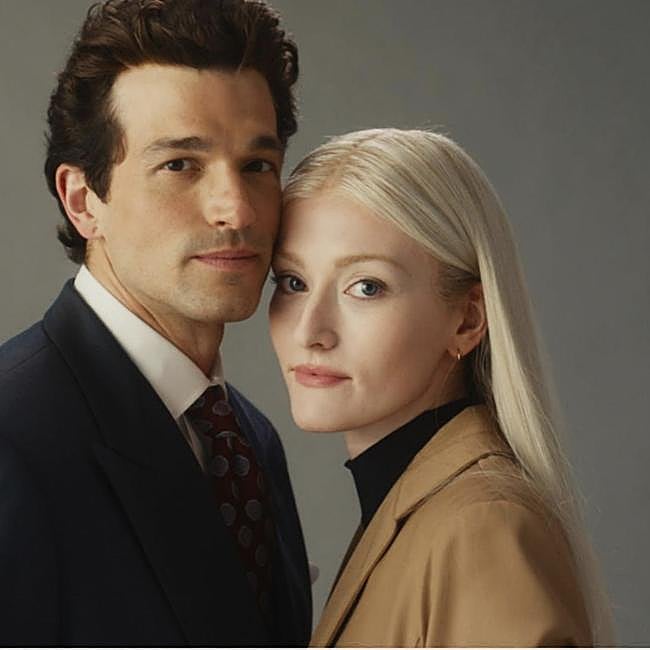
The third accusation is somewhat insubstantial, but it has its interest. It is brought to the table by Rose Marie Terenzio, executive assistant to John F. Kennedy Jr. in his role as editor of George magazine: John John was never a style icon. “He would have laughed a lot at this,” Terenzio told journalist Amy Odell. “When they started dating, Carolyn’s perspective was that John had no style. When they went out she had to ask, ‘What are you wearing? Those pants have to disappear’.”
We don’t know for sure where the most problematic details of Love Story come from, which are now being denounced by family and friends of the lead couple. Indeed, it wouldn’t be surprising if Ryan Murphy had decided to document from unreliable media: the temptation to use lurid rumors is practically irresistible for a showrunner and his scriptwriters, in search of the greatest dramatic intensity available.
Ryan Murphy Reflects Magazine Narratives
Indeed: all the complaints and allegations are substantial and justified. It is hard to understand why a series would claim the name and the history of two real people, who evidently existed and moved into the newspaper morgue, if a certain verisimilitude is not respected. Hence the difficulty of working with real-life stories: they require constant confrontation with witnesses and reliable documents. In the case of Ryan Murphy’s work, however, exceptions can be made.
The showrunner of American Horror Story, Pose, or Feud announced that his anthology of series dedicated to important and highly mediatized episodes of American pop culture would indeed dwell in that category of media myth, that is, in narratives spread and popularized by the media. What we remember about the Bessette-Kennedy romance cannot be their real experience, but what we read in the magazines of the era. That is what Murphy reflects to the detriment of those affected: the mix of truth, fiction, and toxicity that has left an imprint on the popular imagination.