
In recent years, the skin microbiome has become one of the main focal points of interest in dermatology and cosmetics. We know that the skin is not only a physical barrier, but an ecosystem in which millions of microorganisms coexist that participate in its balance and protection. Hence ingredients related to the microbiota, such as prebiotics, probiotics and, more recently, postbiotics, have begun to occupy a prominent place in formulas aimed at caring for the skin.
We may think that prebiotics, probiotics and postbiotics are the same, but each has its own virtues and benefits. If we focus on postbiotics, these respond to a different way of working on the cutaneous ecosystem. They do not introduce living microorganisms, but components or derivatives of them that can help maintain a balanced and resilient skin.
Differences Between Actives
To understand what postbiotics are, one must start by differentiating them from other ingredients related to the microbiome. «Probiotics are living microorganisms; prebiotics are substances that serve as food for certain beneficial microorganisms; and postbiotics are components or metabolites derived from these microorganisms that can act on the skin» explains Rachel Keys, a nurse expert in dermocosmetics. Dr. Lidia Maroñas, founder and medical director of Oneskinmed, specifies that postbiotics are «bioactive compounds (enzymes, peptides, organic acids, cell wall fragments) produced by the skin’s beneficial bacteria during their metabolic activity, or derivatives of inactivated microorganisms». An important difference compared to probiotics is precisely that they do not contain living microorganisms.
This can bring advantages when formulating cosmetics, since they are more stable components. «They are not living organisms, which makes them more stable and safer to formulate» notes Dr. Maroñas. Therefore, beyond the word that appears on the product front, the experts recommend looking at the composition. «In cosmetics we also find terms like ferments or bacterial lysates, so it is important to look at the INCI and not just rely on what the packaging promises» considers Rachel Keys.
Differences Between Balance and Barrier
The interest of postbiotics lies in their ability to act on different mechanisms related to skin balance. «They reinforce the barrier function, modulate the skin immune response, have anti-inflammatory and selective antimicrobial effects (they curb pathogens without harming the beneficial flora) and stimulate the synthesis of lipids and antimicrobial peptides inherent to the skin» enumerates Dr. Maroñas. The ultimate goal is to foster a more resilient and less reactive skin. For her part, Rachel Keys points out that «they help create a more favorable environment for the skin’s balance and can help reinforce barrier function, improve hydration and reduce the sensation of sensitivity or reactivity».
Balance, therefore, is essential; the cutaneous microbiome is not simply about accumulating beneficial microorganisms, but about maintaining a stable ecosystem in which the different species can coexist. «It is not about having ‘more good bacteria’, but about improving a balanced cutaneous ecosystem» explains Keys. Moreover, the microbiome and the skin barrier are closely related. When the barrier is altered, the environment in which the microorganisms live can also change and, in turn, certain alterations of the cutaneous ecosystem can influence barrier function.
Postbiotics Beyond Marketing
Skin with a weakened barrier or a tendency to sensitivity are among the scenarios where they can be especially interesting. «They are especially interesting in sensitive, reactive, dry skin or skin with a weakened barrier» considers Rachel Keys. The professional believes they can also be useful when the skin is subjected to factors that alter it, such as temperature changes, pollution, excessive cleansing or the continuous use of certain actives. Dr. Maroñas also recommends them for skin conditions such as «atopic dermatitis, rosacea, mature skin with a weakened barrier, and skin exposed to pollution or environmental stress. They are also useful in acne due to their regulating action without aggression».
Knowing their functionalities, does it make sense to incorporate postbiotics into a daily routine or are they more interesting when the barrier is damaged? For Lidia Maroñas, both possibilities are compatible. «In times of barrier alteration (post-summer, retinoid treatments, seasonal changes) their reparative effect is perceived more clearly, but, for me, they also make sense as part of the daily routine, as preventive maintenance of the cutaneous ecosystem, not only as rescue». The dermatologist also recommends checking that the postbiotic is correctly identified and that there is scientific backing. «For me as a dermatologist, the backing of clinical studies from the manufacturer is fundamental, not just a marketing claim», one of the major problems we encounter with new actives. For her part, nurse Rachel Keys concludes that «it’s not only the ingredient, but the whole formula».
Postbiotic Products
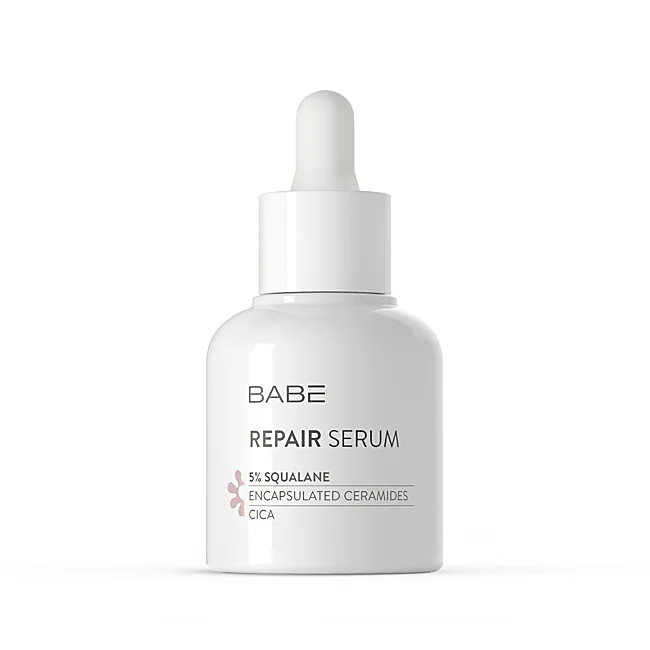
Repair Serum from Laboratorios Babé.
Laboratorios Babé
Repair Serum is a formula that regenerates the skin while soothing it. It is formulated with postbiotics and prebiotics, as well as encapsulated ceramides, squalane or niacinamide. It is perfect for skin prone to redness and dehydration. (36 euros)
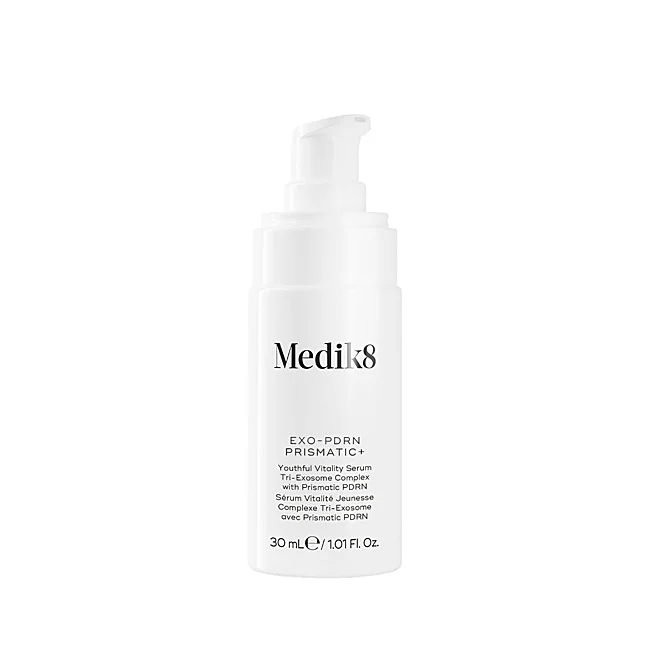
Exo PDRN Prismatic by Medik8.
Medik8
Exo PDRN Prismatic features one of the trendy actives, PDRN, combined with postbiotics derived from Lactobacillus fermentation. It soothes the skin, reinforces barrier function, and provides radiance while reducing the appearance of dark spots. (110 euros)
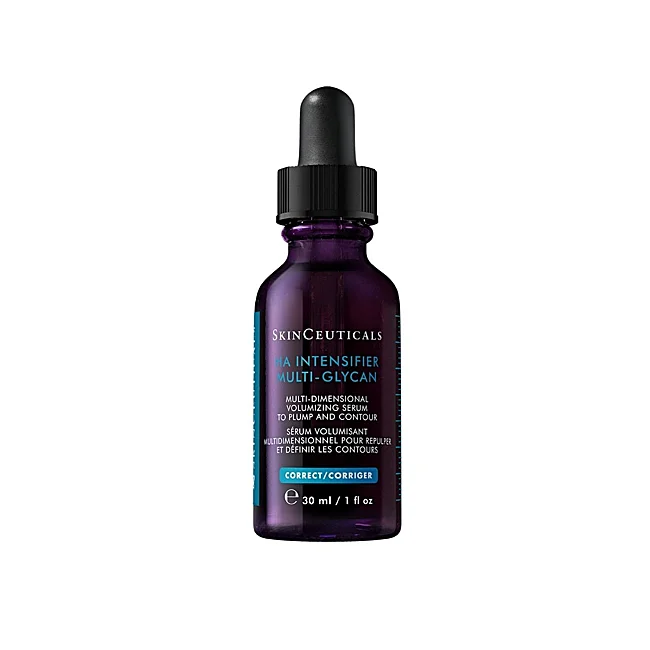
HA Intensifier Multi – Glycan by SkinCeuticals.
SkinCeuticals
HA Intensifier Multi – Glycan is a product designed to achieve a more plump-looking face with greater definition. Its formula includes hyaluronic acid, licorice root extract and an advanced postbiotic ferment. (135 euros)
HA Intensifier Multi – Glycan by SkinCeuticals.
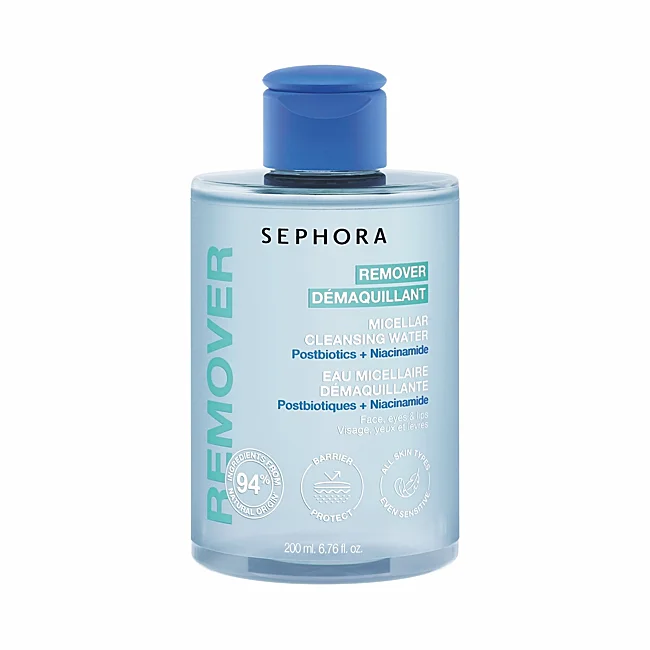
Sephora Collection
Suitable for all skin types, Sephora Collection Micellar Cleansing Water combines postbiotics and niacinamide in its formula. It removes makeup traces while leaving the skin looking hydrated. (400 ml., 17 euros)
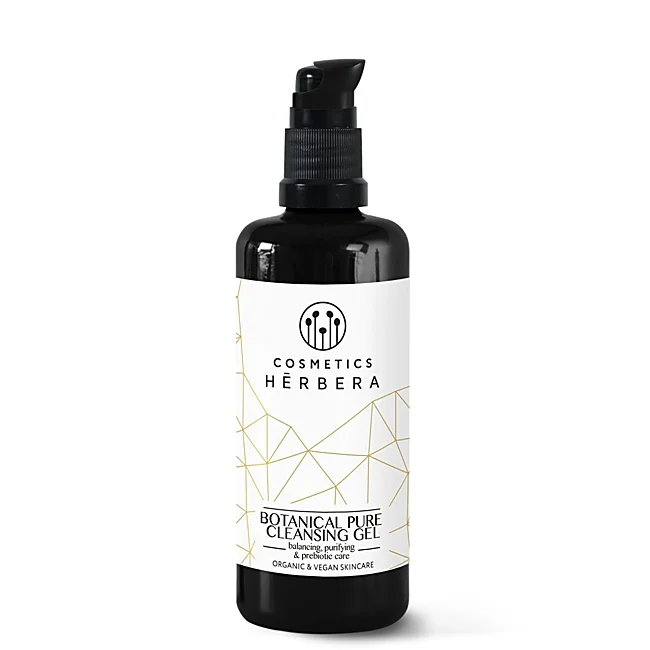
Botanical Pure Cleansing Gel by Herbera.
Herbera
Botanical Pure Cleansing Gel cleanses the skin while leaving it hydrated and soothed. With postbiotics and prebiotics, it strengthens the skin barrier while balancing the microbiota. (34 euros)