Finding a perfume that isn’t too recognizably common, that moves away from the most habitual aromas, and that, at the same time, we can wear with ease, isn’t always easy. That’s precisely where niche perfumery is waking up increasing interest: a much broader universe, with less predictable compositions and proposals that invite us to discover new ways of understanding a fragrance.
But starting out can feel overwhelming. There are unknown brands, unfamiliar ingredients, and perfumes that, on paper, may seem too complex. That is why, for Silvia Spera, Brand Manager of perfumery and expert in niche perfumery, in exclusive statements to MUJERHOY, the first step should not necessarily be to search for the most groundbreaking aroma.
“I would recommend starting with curiosity and experimentation, without rushing or preconceived ideas,” explains the expert. Her advice is not to dive directly into the most complex or resinous creations, but to begin with discovery formats and with notes inspired by nature, such as figs, teas, or clean woods. In this way, it becomes easier to train the nose and gradually understand what really attracts us
What Differentiates a Niche Perfume
For Spera, the fundamental difference lies in “the creative freedom, the quality of the raw materials, and the purpose.” While commercial perfume often aims to please a broad audience and is heavily conditioned by market studies and trends, niche fragrance can start from a story, an artistic concept, or even a personal memory.
How to choose a different perfume that’s easy to wear
For someone who wants to move away from more conventional aromas without wearing a fragrance that is too intense for daily use, Spera recommends seeking a balance between the uniqueness of the accord and the lightness of the structure.
Clean or effervescent top notes can evolve into softer bases of sandalwood, musk, or iris, creating what the expert defines as a kind of “second skin”: a comfortable perfume, close and easy to wear, but with enough character to make a difference.
On one hand there are green and botanical accords, with notes such as fig leaf or signature teas, capable of bringing freshness without resorting to traditional citrus. Another possibility is creamy woods, where sandalwood combines with iris or dairy notes to achieve a warm and soft sensation.
The third option is fresh spices, like cardamom or pink pepper, which provide a different nuance in a more subtle way.
The mistake of choosing a perfume because it went viral
“The main mistake is buying blind based on the product’s fame and not on the chemistry of our own skin,” warns Silvia Spera.
The expert also points out another common issue: online, power or longevity is often valued, whereas the interest of a creator’s composition can also lie in its olfactory construction and in the emotion it provokes when worn.
Five niche perfumes according to the type of aroma you’re seeking
Perfume L’Eau Papier by Diptyque.
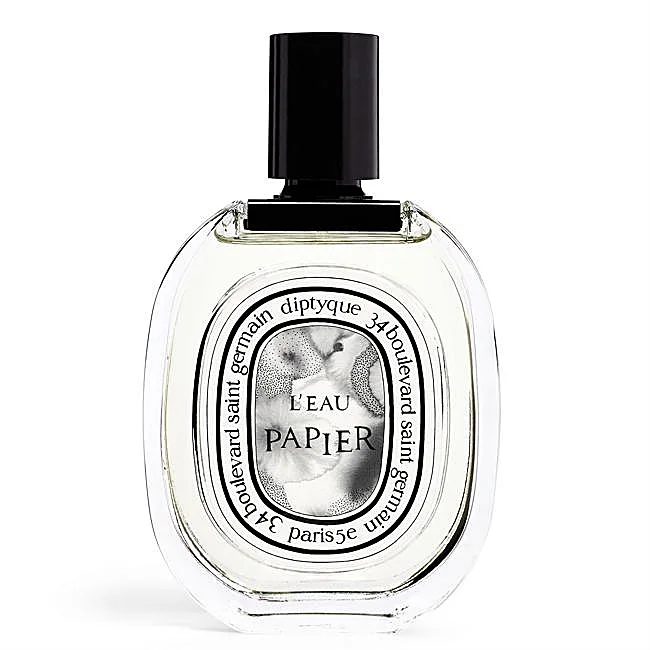
If what we want is to start with something clean, elegant, and discreet, Spera recommends L’Eau Papier by Diptyque, a fragrance that combines white musk, mimosa, and an accord of rice steam.
Cherry Punk by Room 1015.
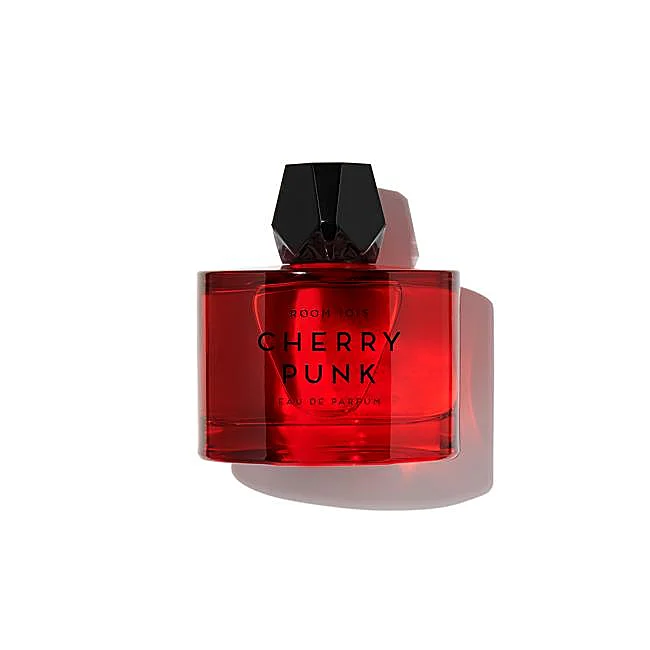
For those seeking something with more personality, their offering is Cherry Punk by Room 1015, which blends cherry, leather, and spices and draws inspiration from rock’s counterculture.
Birdwatcher by Floraïku.
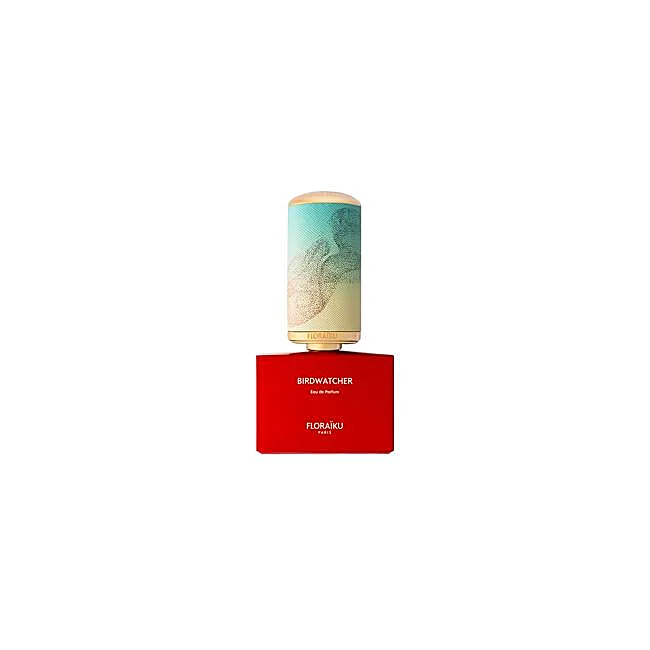
In a much more serene register appears Birdwatcher by Floraïku, conceived around the contemplation of nature and designed for calmer and more reflective profiles.
Ain’t That Sweet by D.S. & Durga.
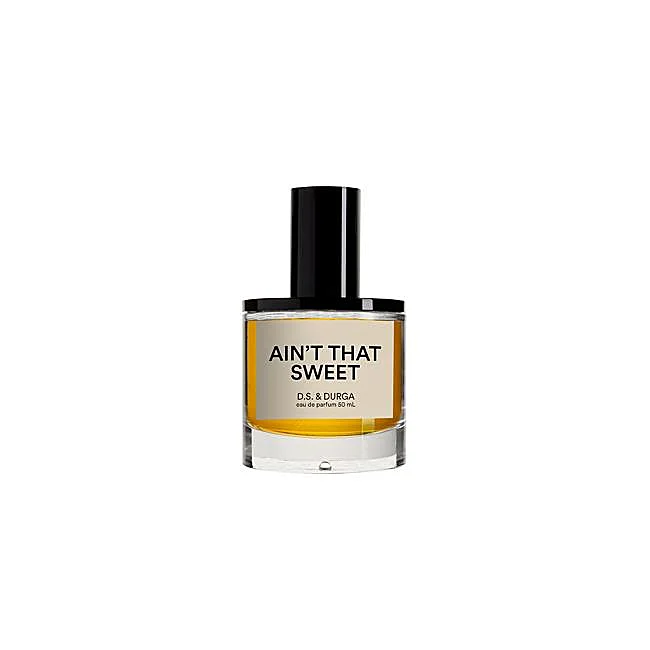
For those seeking something creative with a more contemporary outlook, Spera selects Ain’t That Sweet by D.S. & Durga, a reinterpretation of sweetness from a bolder and more urban perspective.
Town & Country by Clive Christian.
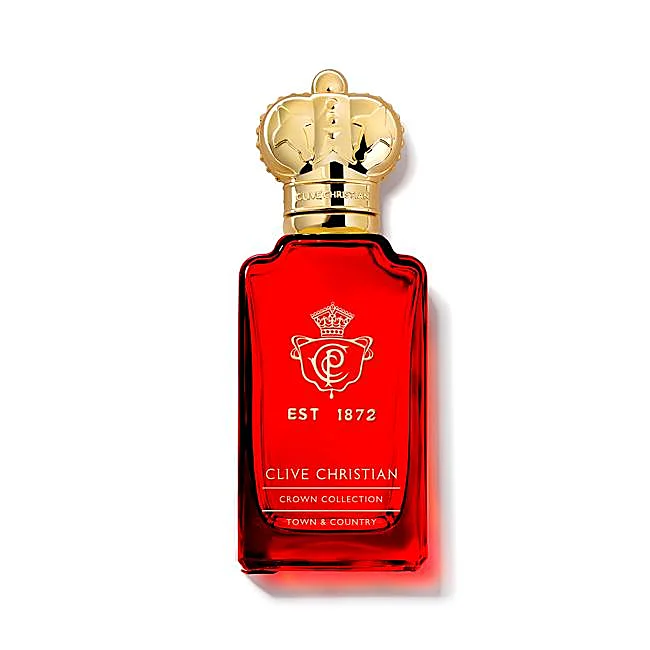
And if the aim is to find a perfume with a more classical and sophisticated cut, she recommends Town & Country by Clive Christian, a composition that links to the tradition of British haute perfumery.
In the end, starting in niche perfumery isn’t so much about seeking the rarest perfume as about gradually discovering new registers. Testing, letting a fragrance evolve over several hours, and observing how it performs on our own skin can be a much more effective way to find that different scent we are looking for than simply following the perfume everyone talks about.