September brings with it the return to routine, the gradual change in temperatures, and also a phenomenon that each year worries us again: finding more hair than usual in the shower, on the brush, or on the pillow. The so-called seasonal shedding is usually most evident between the end of summer and the early autumn months, but in most cases it is part of the hair’s own cycle.
“It is one of the most consistent patterns we see in consultations every year,” explains in an exclusive interview to MUJERHOY, Paz Torralba, beauty expert and director of The Beauty Concept. But, is it normal for hair to shed more in September? How long can this shedding last? How can we know if this is simply a seasonal process or if there is some problem behind it? Do anti-hair loss supplements and treatments actually work?
Why hair falls more as autumn arrives
Our hair does not grow continuously. Each hair follicle goes through different phases of growth, transition, and rest before the hair finally sheds and a new cycle begins.
Paz Torralba explains that summer and the hours of light can influence this rhythm. “The hair follows a natural cycle with growth and rest phases, and summer — with more hours of light — tends to maintain a larger proportion of follicles in the growth phase.”
With the change of season, a recalibration occurs. “When the hours of light decrease in autumn, the body readjusts that cycle and simultaneously releases the hair that had been ‘paused’ during the previous months.” This explains why suddenly we may have the sensation of losing a lot more hair, especially during washing.
When should hair loss start to be worrying?
Finding several hairs in the drain does not necessarily mean there is a problem. “Losing between fifty and a hundred hairs a day is part of the natural renewal cycle and should not be a cause for alarm,” Torralba assures.
But it also doesn’t make much sense to start counting hairs. The best reference is our own usual pattern. “The red flag isn’t so much the exact number —difficult to count precisely in daily life— as a change in pattern,” she explains.
That’s why we should watch whether over several weeks the amount of hair we lose clearly increases, whether the ponytail looks thinner, or whether areas of the scalp that weren’t previously visible begin to appear.
How long does seasonal shedding usually last?
According to Paz Torralba, “typically the peak of shedding concentrates between the late September to November months,” while the entire episode usually resolves in about two to three months.
After that period, the amount of hair we lose should gradually return to its usual rate. If that doesn’t happen, it’s worth consulting. “If the shedding remains elevated beyond that window, it’s time to seek a specialized assessment,” she warns.
How to distinguish it from telogen effluvium
That shedding starting in September or October does not automatically mean it is seasonal. Autumn shedding usually presents a fairly concrete pattern. “It tends to be diffuse, moderate, and transient: it affects the entire scalp equally and resolves on its own within a few weeks,” notes Paz Torralba.
Telogen effluvium may resemble it, but it is usually more intense or prolonged and can be related to an event that occurred months earlier.
“It usually responds to an identifiable trigger —a surgical procedure, a febrile illness, a relevant hormonal change, or a period of sustained stress— occurring two to three months before the onset of shedding,” she explains.
In doubt, Torralba recommends a professional evaluation, since tools like trichoscopy allow analyzing the scalp and determining what is happening.
Hair also arrives in September worn down by summer
Besides the hair cycle itself, there is another reason why in September we may perceive our hair as particularly weak. Sun, chlorine, and seawater do not necessarily cause shedding from the root, but they can deteriorate the fiber.
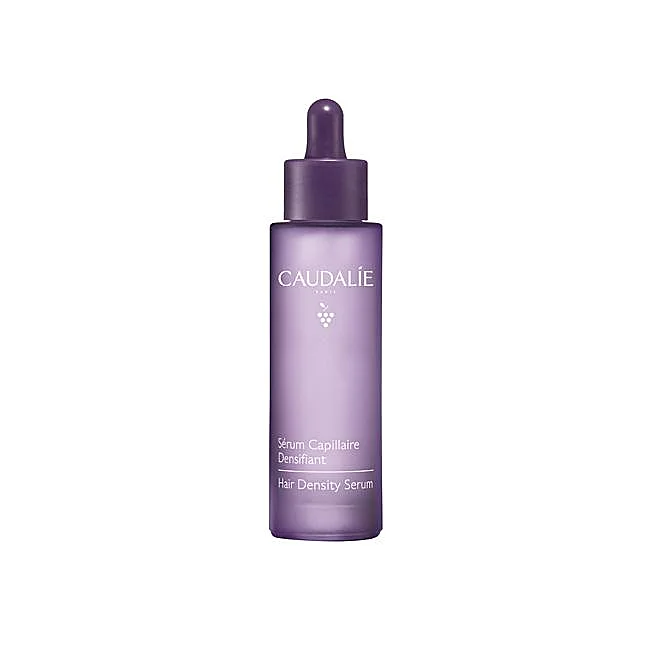
Caudalie hair loss serum.
“Prolonged sun exposure, pool chlorine and sea salt weaken the hair fiber, dehydrate it, and make it more brittle,” explains Paz Torralba.
Leonor Greyl energizing scalp serum.
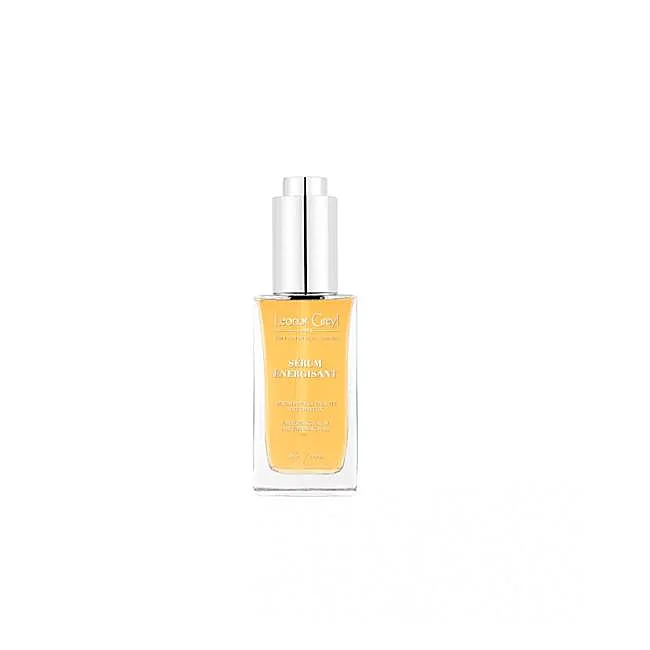
Caroline Greyl, president of Leonor Greyl, also emphasizes the link between seasonal change and accumulated damage: “Seasonal shedding is a normal process, but when the scalp arrives weakened after summer it is wise to act promptly to foster strong and healthy growth of new hair.”
Ampoules Complexe Cegaba+Bioproline by Biologique Recherche.
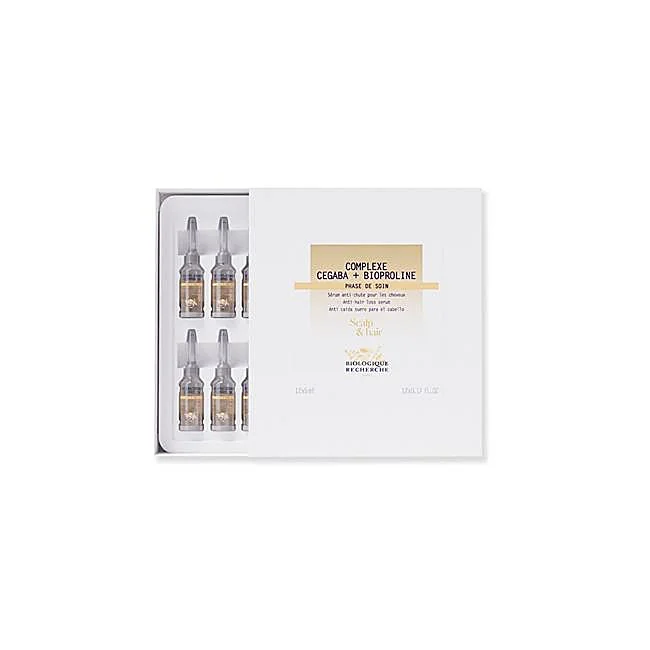
«En otoño no podemos evitar que el cabello complete su ciclo natural, pero sí podemos crear las mejores condiciones para que el cuero cabelludo siga funcionando de forma óptima», explica Caroline Greyl.
Mantener una higiene adecuada del cuero cabelludo es uno de los primeros pasos. El exceso de productos, sebo y residuos puede acumularse sobre la piel, por lo que conviene realizar lavados adaptados a las necesidades de cada persona, sin prolongarlos artificialmente por miedo a que se caiga más el pelo.
And what about anti-hair loss supplements?
With September also come campaigns for supplements, ampoules, and anti-hair loss treatments. For Paz Torralba, they can be helpful, although they should not be taken indiscriminately.
Luxmetique Hair Beauty Hair Loss.
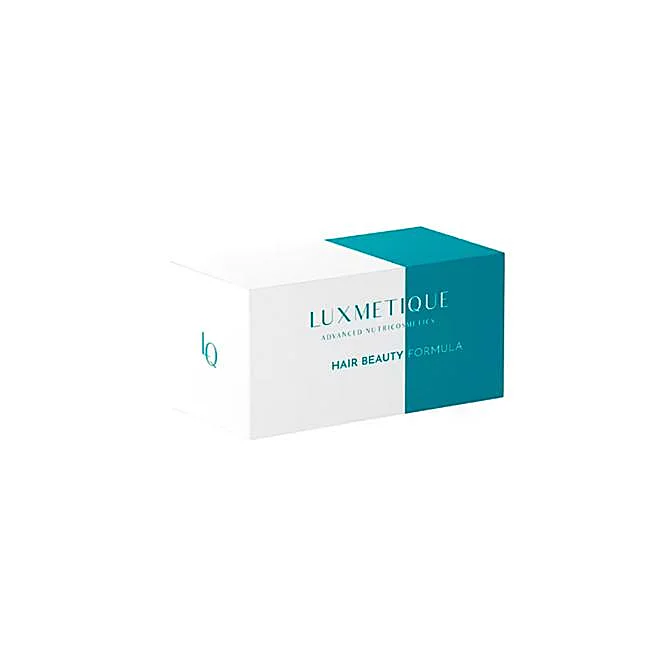
“They can be a useful support, provided they are chosen with discernment and, ideally, under professional recommendation,” she says.
Nutrients such as iron, zinc, certain vitamins, or amino acids are related to the normal functioning of the hair, but supplementing them does not necessarily yield a benefit if there is no specific need. Torralba sums it up this way: “Their function is to accompany and optimize recovery, not to replace a diagnosis when shedding goes beyond what is expected.”