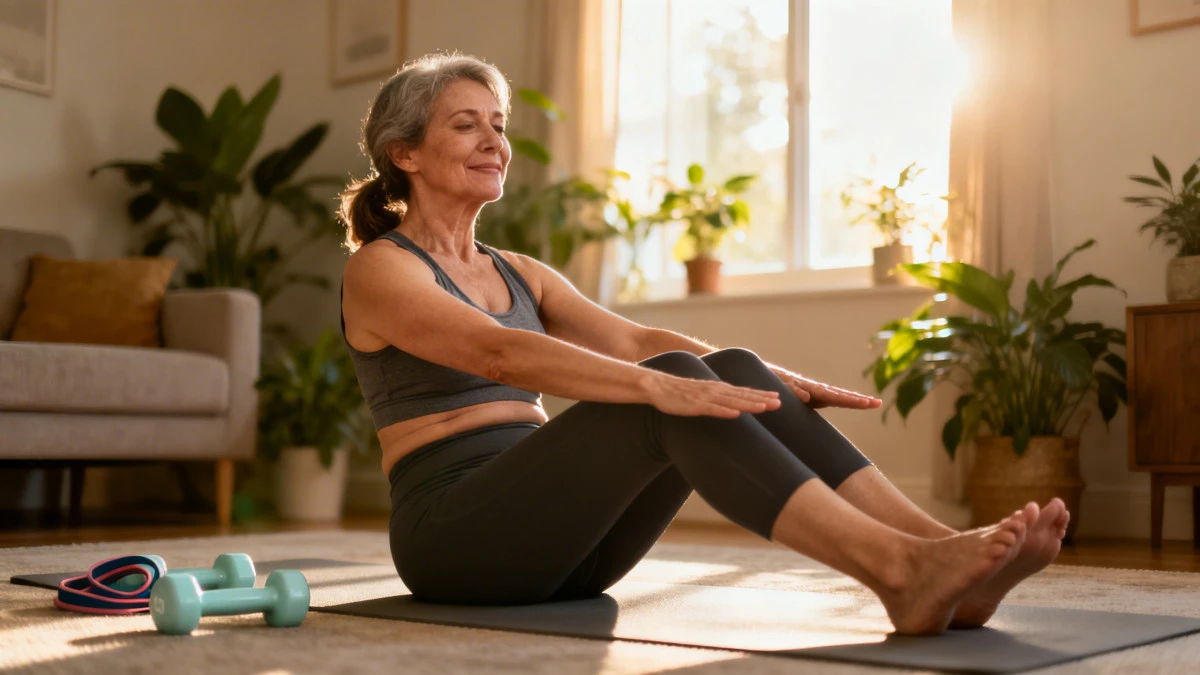
Urinary incontinence may be more common than you think, but here’s a breath of fresh air: recent research shows you don’t need a medicine cabinet full of pills or a hasty dash to yoga class to address the problem. Two straightforward approaches—yoga for the pelvic floor and general stretching and muscle strengthening—are both proven to help. In other words: you have options.
Yoga: Popular, But Not the Only Solution
Yoga has experienced a remarkable rise in popularity, particularly in France, where its practice has more than tripled over the last decade. By 2021, 10.7 million French people—31% of them men—had practiced yoga in the previous three years. More than half of them, according to survey data, did so weekly. That’s a lot of time spent on the mat.
While the mental wellness benefits of yoga are well-known, its role in managing age-related health concerns like urinary incontinence among women has also drawn interest. Still, hard data supporting yoga for this particular use had been limited until recently.
Research Pits Yoga Against General Exercise
A study published in the Annals of Internal Medicine, led by researchers from the University of California, San Francisco, set out to answer whether pelvic floor yoga truly outshines ordinary stretching and muscle strengthening for urinary incontinence.
The study focused on older women with urinary incontinence. Participants were randomly assigned for three months either to a yoga program (two group classes per week plus individual practice once weekly) or to a general fitness program with the same schedule, based on stretching and strengthening exercises rather than yoga-specific movements. Both groups committed equal time and effort.
Results: Both Approaches Make a Difference
After 12 weeks, both groups showed significant clinical improvement. Women in the yoga group averaged 2.3 fewer incontinence episodes per day, while those in the general fitness group reported an average drop of 1.9 episodes daily—close results by any standard.
Those in the general exercise group also noted almost 50% improvement in their symptoms. The frequency of stress incontinence—the kind triggered by laughing, coughing, or jumping—was similar in both groups.
The research team, led by Professor Alison Huang, noted that while yoga offered a slightly greater benefit for certain specialized urinary symptoms, overall it was not clearly superior. Their findings suggest that women dedicating equal time to general physical activity can expect improvements similar to those seen with dedicated pelvic floor yoga.
What This Means for You
Professor Huang commented that, given these results, rather than focusing solely on treatments targeting the bladder or pelvic floor, broader strategies to enhance physical function as we age may be equally important. While some women may choose yoga for its mental and physical perks, others may prefer general exercises, which are often easier to access and less expensive.
Pelvic yoga can help with pelvic floor issues such as incontinence, pelvic pain, or overactive bladder—problems usually linked to childbirth, menopause, or aging. But general stretching and muscle strengthening work just as well for most women, without the need for specialized yoga instructors or equipment.
If you’re dealing with urinary incontinence, know that medication isn’t your only route—and attending yoga class isn’t mandatory for results. Whether you’re drawn to sun salutations or a more traditional fitness routine, it’s the consistency and commitment that matter most.
The bottom line: Find a form of exercise you enjoy and stick with it. Your bladder—and your overall well-being—will thank you. And if you hear there’s only one way to improve, remember: having options is a healthy choice in itself.