Online clothing shopping has become a daily habit, but it still carries an element of uncertainty. We can enlarge an image, review the fabric composition, or look at multiple photographs, but there is something that a still photo doesn’t always manage to resolve: how the garment behaves in practice when worn.
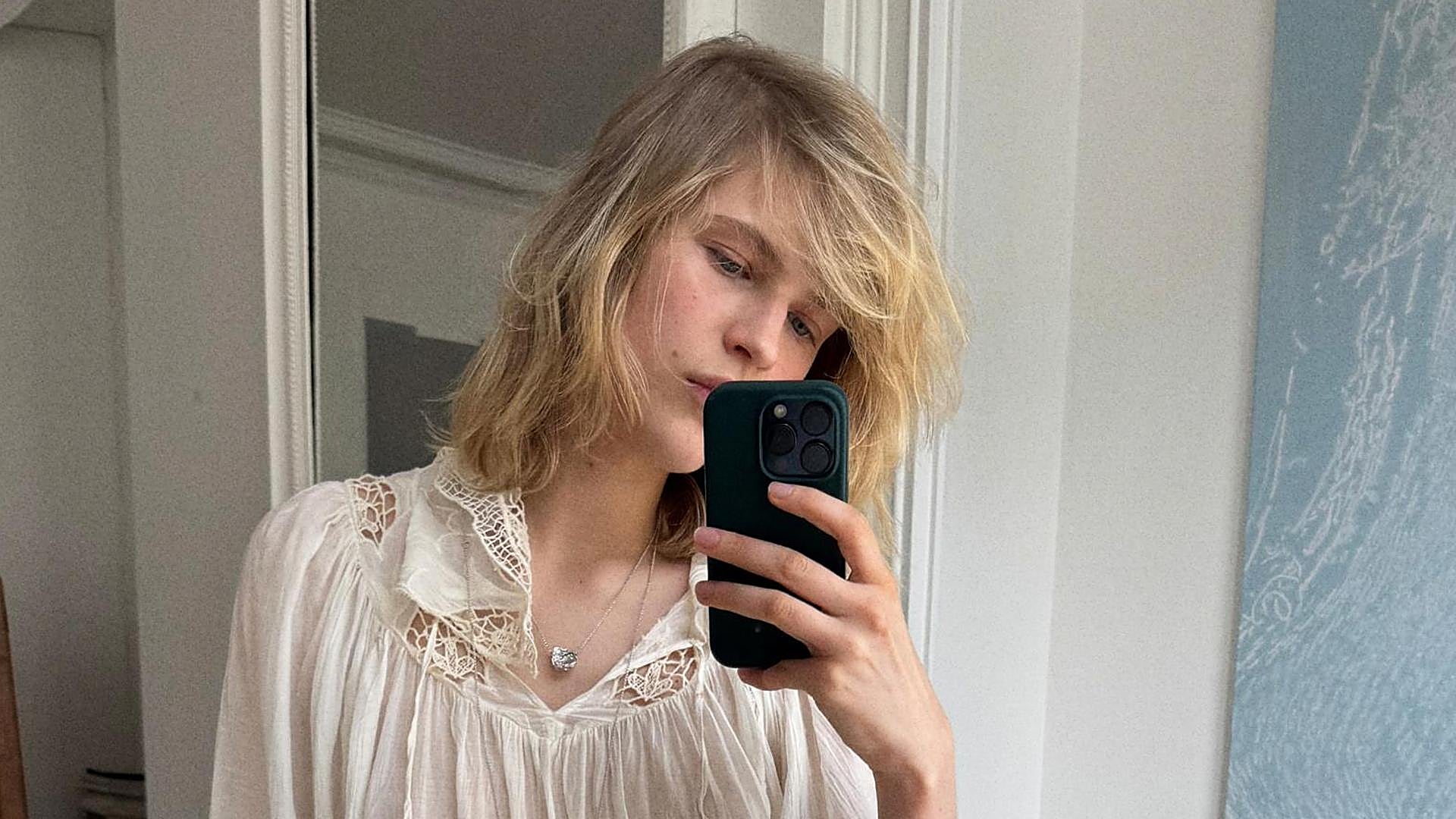
That doubt is precisely what Massimo Dutti seems to address with Apivita’s Point of View, a campaign starring the model Aivita Muze. In it, the clothes are shown through videos in front of a mirror, with that recognizable gesture of looking at oneself, moving and checking whether a garment works beyond the pose.
The proposal makes even more sense in the heart of the spring–summer season, when garments cease to be structured and the emphasis shifts to light fabrics. It is the moment for linens, soft cottons, flowing silhouettes, and relaxed patterns, where drape is everything and where a static image falls short.
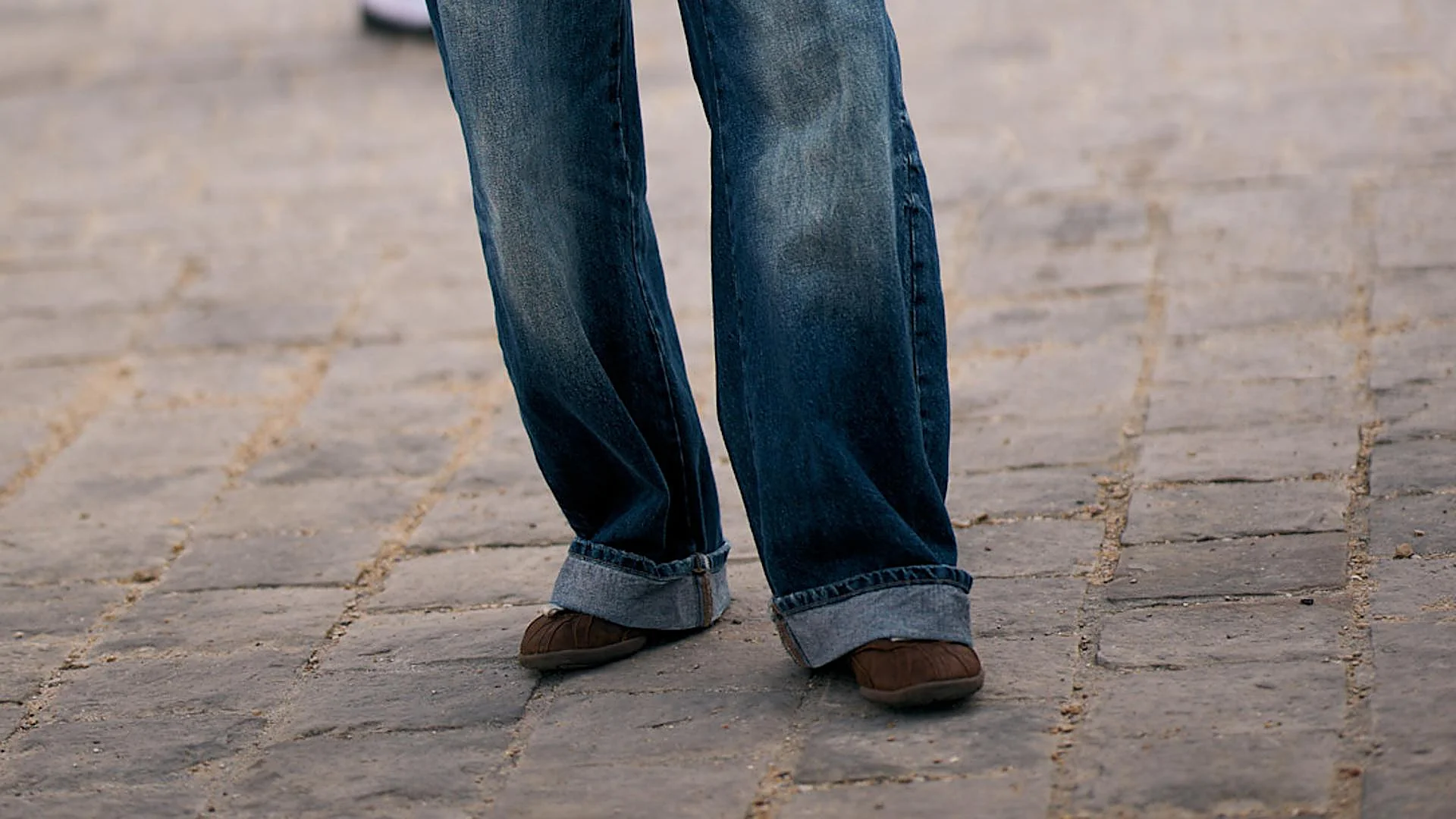
Within this collection we will see precisely that type of pieces: wide trousers that seek movement, dresses that depend on their flutter, lightweight shirts that follow the body, and ensembles where the fabric carries as much weight as the design. Garments designed to move, not just to pose.
For a long time, fashion has relied on perfect images to sell a garment. But that perfection, though aspirational, sometimes leaves too many questions open. A skirt can look flawless in one photograph and, nevertheless, change completely when you walk in it or when the fabric reveals its real weight.
Why video campaigns help improve the online shopping experience
That’s why seeing clothes in motion makes the purchase moment significantly easier. It lets you anticipate whether a garment has structure or lightness, whether the length is comfortable, whether the fabric drapes, or whether the volume flatters. In short, it helps you imagine it better in real life.
The mirror format also makes a lot of sense within this campaign. It is the gesture most similar to trying on: looking straight at yourself, turning around, observing the back, checking how the garment falls and deciding if it fits. Massimo Dutti translates that intimate, everyday moment into the digital environment.
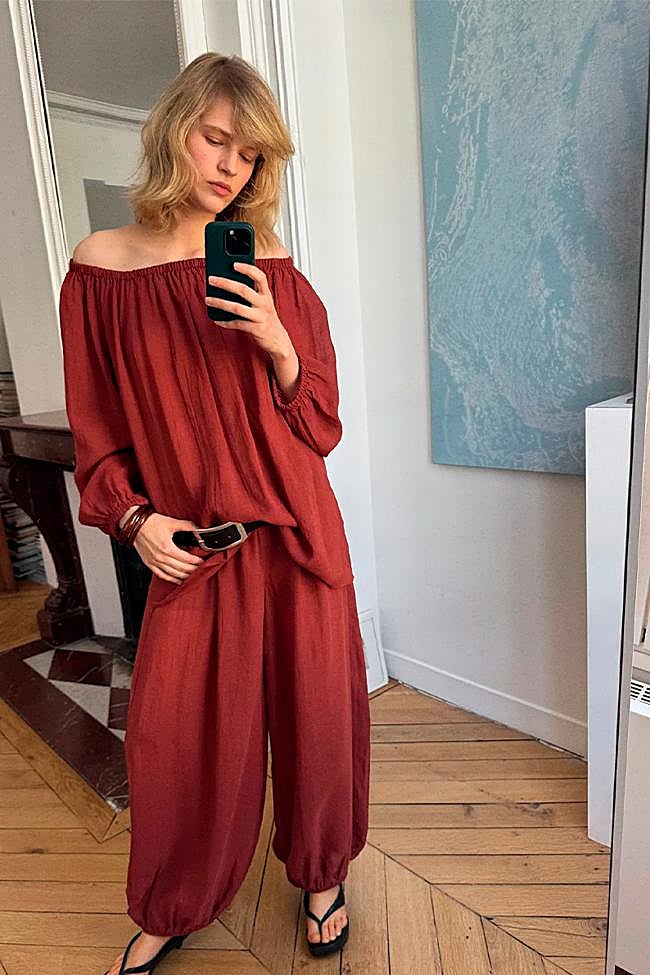
Aivita Muze with a fluid brick-toned ensemble Massimo Dutti.
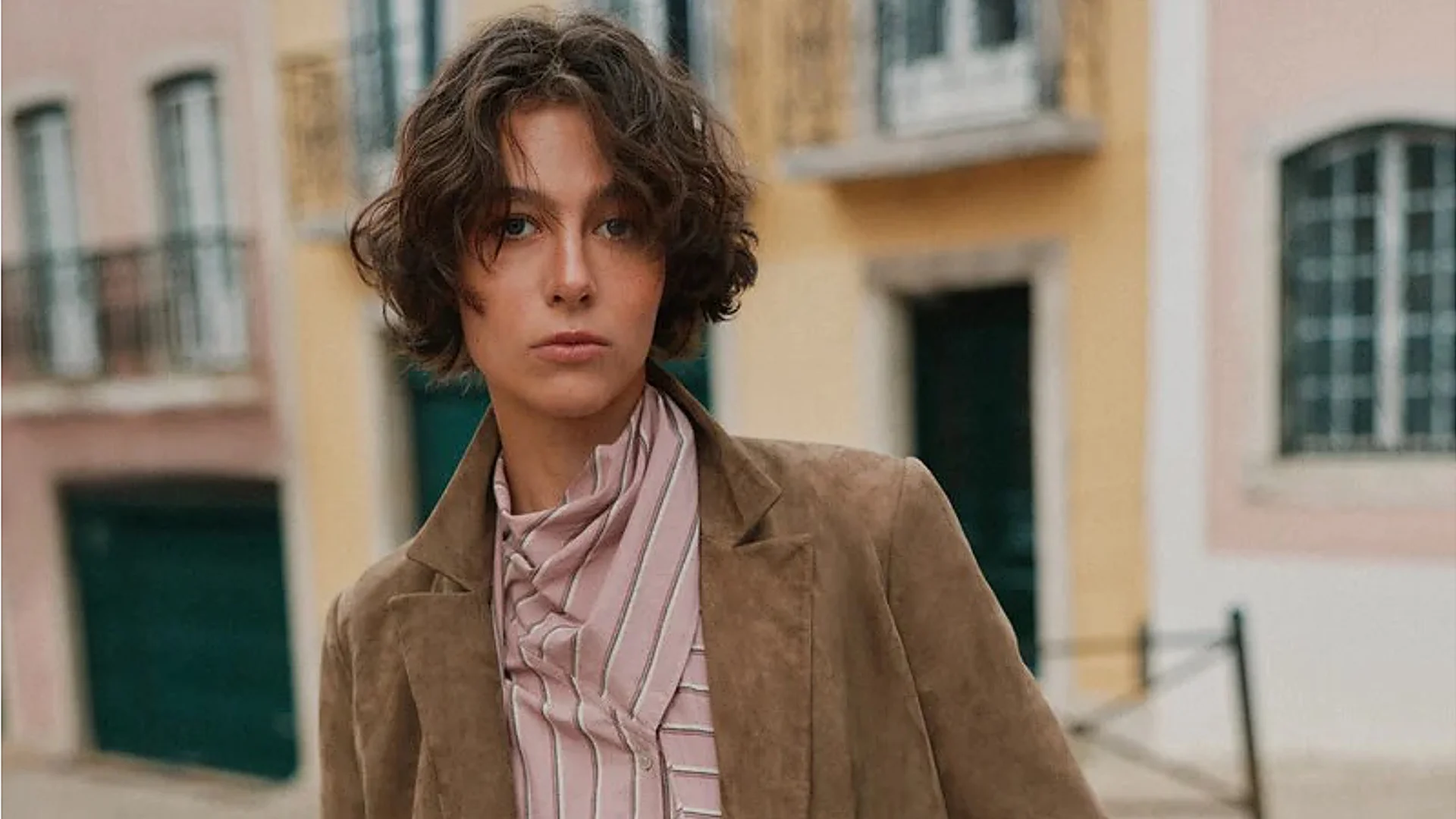
The choice of Aivita Muze reinforces that sense of naturalness. The model, who has worked in the international fashion circuit, fits a sober and contemporary aesthetic where there is no need to overact. Here what matters is not the theatrical gesture, but how the garment rides on the body.
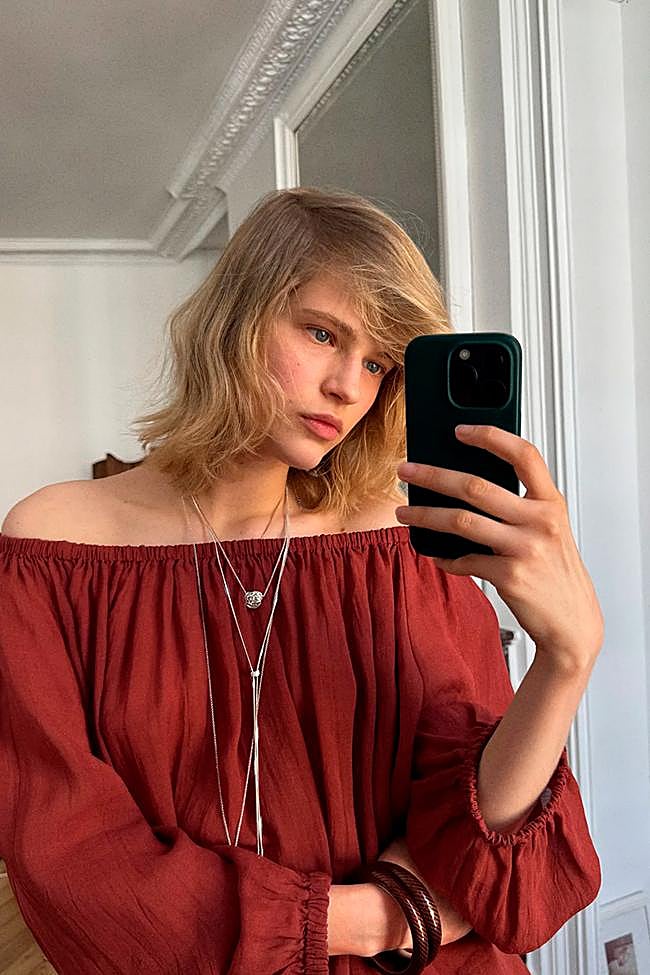
Aivita Muze.
In a brand like Massimo Dutti, this device carries even more weight. Its collections tend to lean on clean cuts, fluid fabrics, and garments that gain when their movement is perceived. A wide-leg trouser, a linen shirt, or a lightweight dress are better understood when they stop being still.
The campaign also speaks of a new way to shop fashion: less impulsive and more informed. The more visual information we have, the easier it becomes to decide with discernment. Seeing a garment in motion reduces doubts, avoids blind purchases, and can make the final choice more accurate.