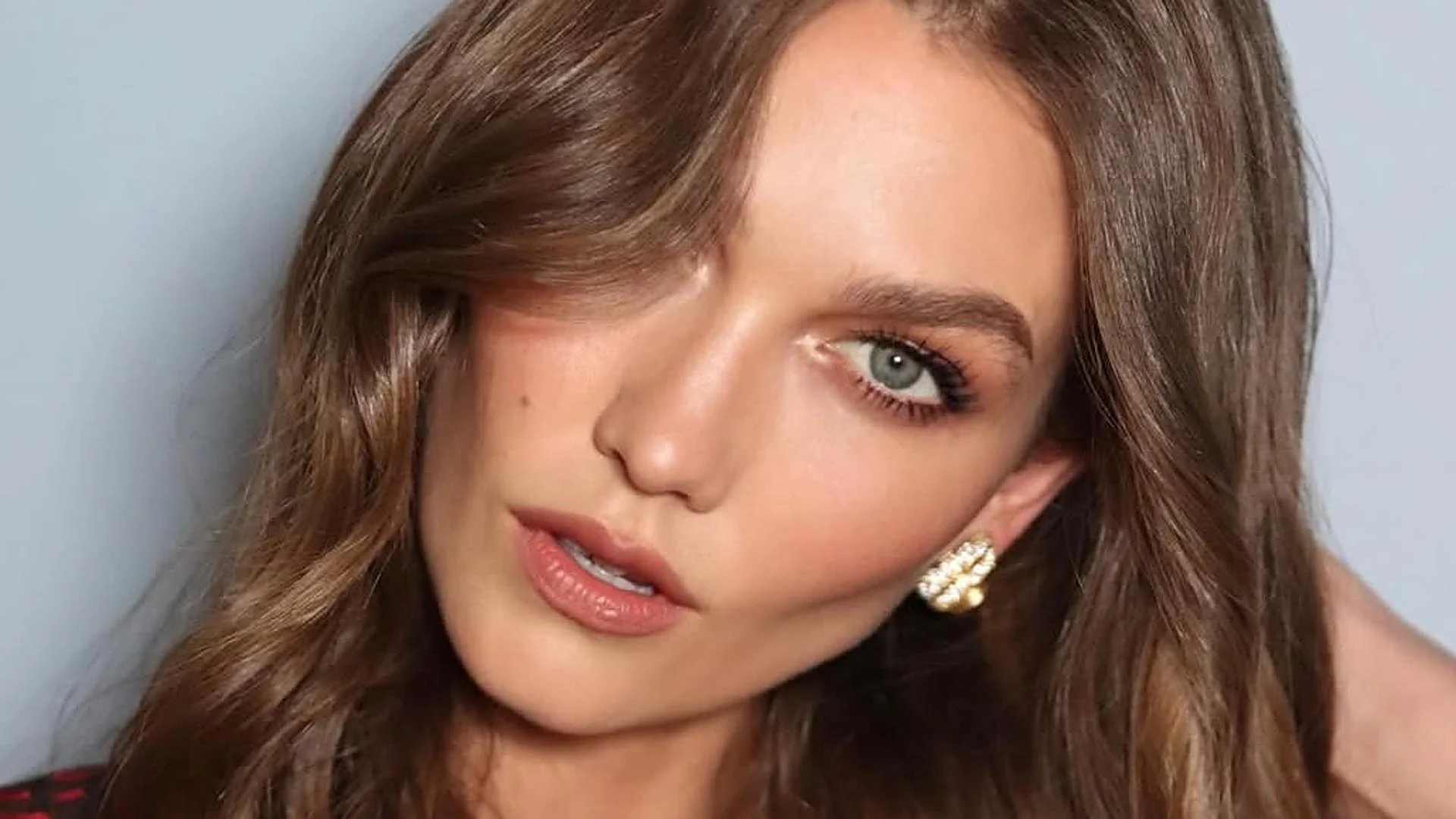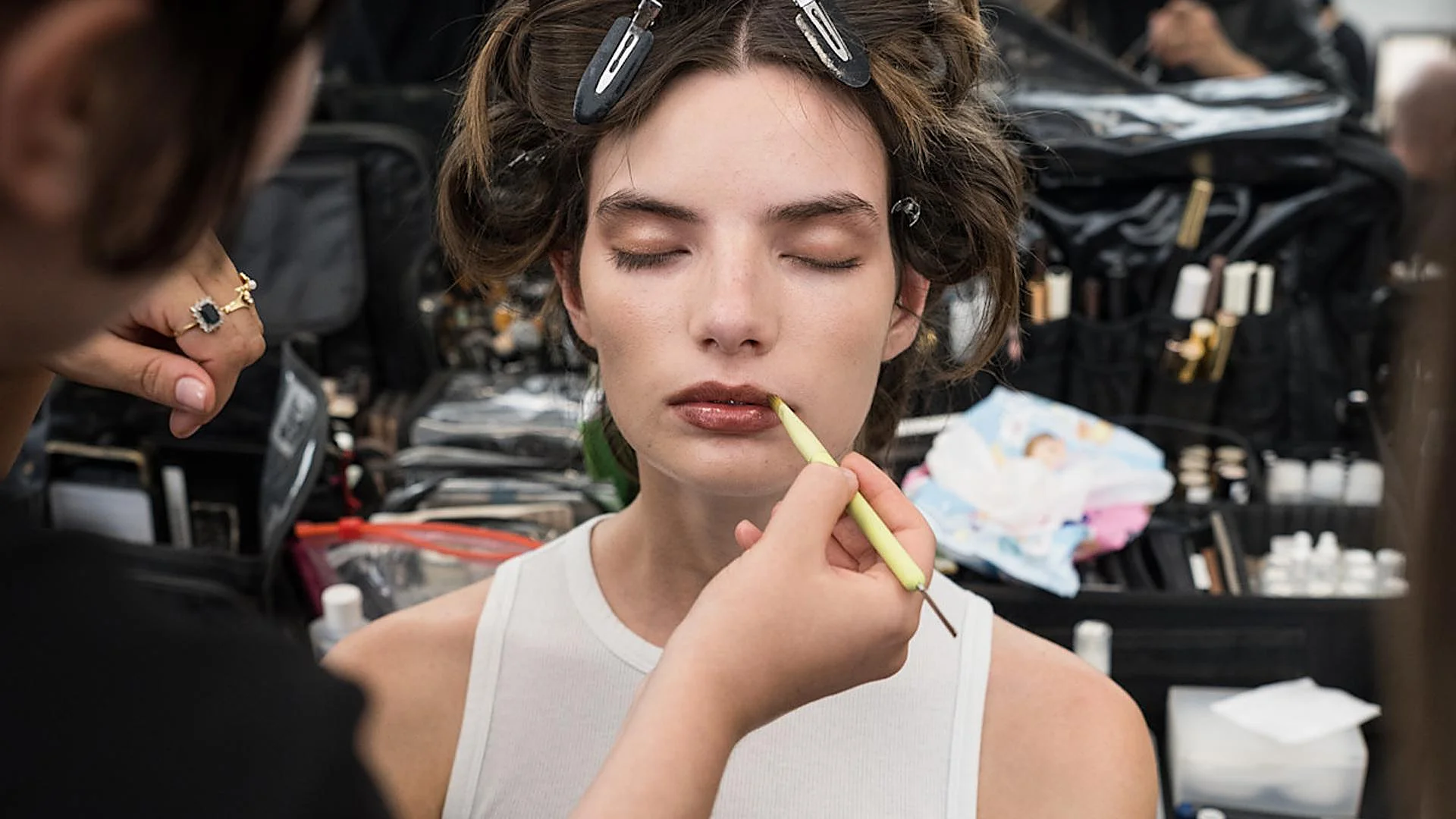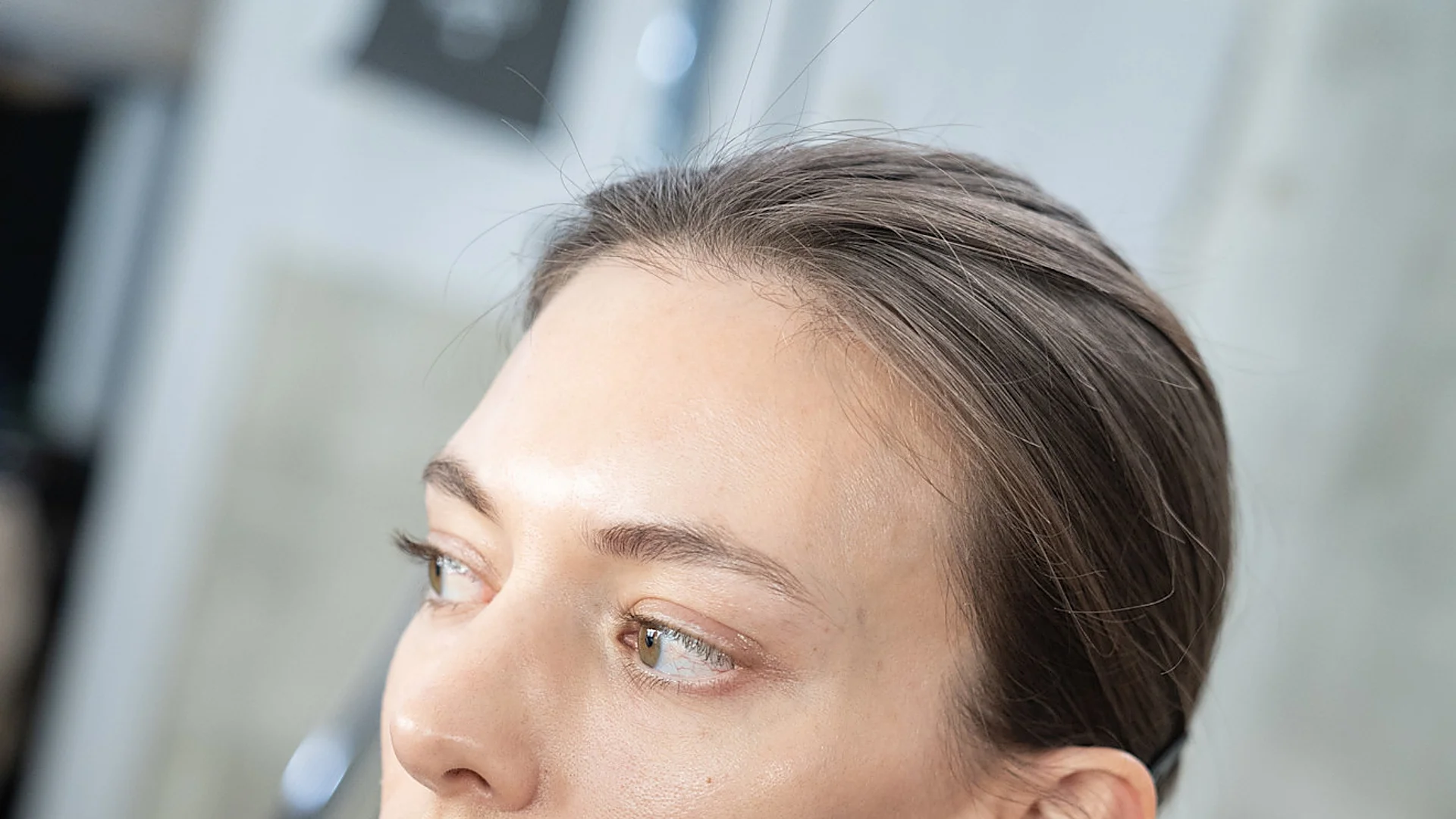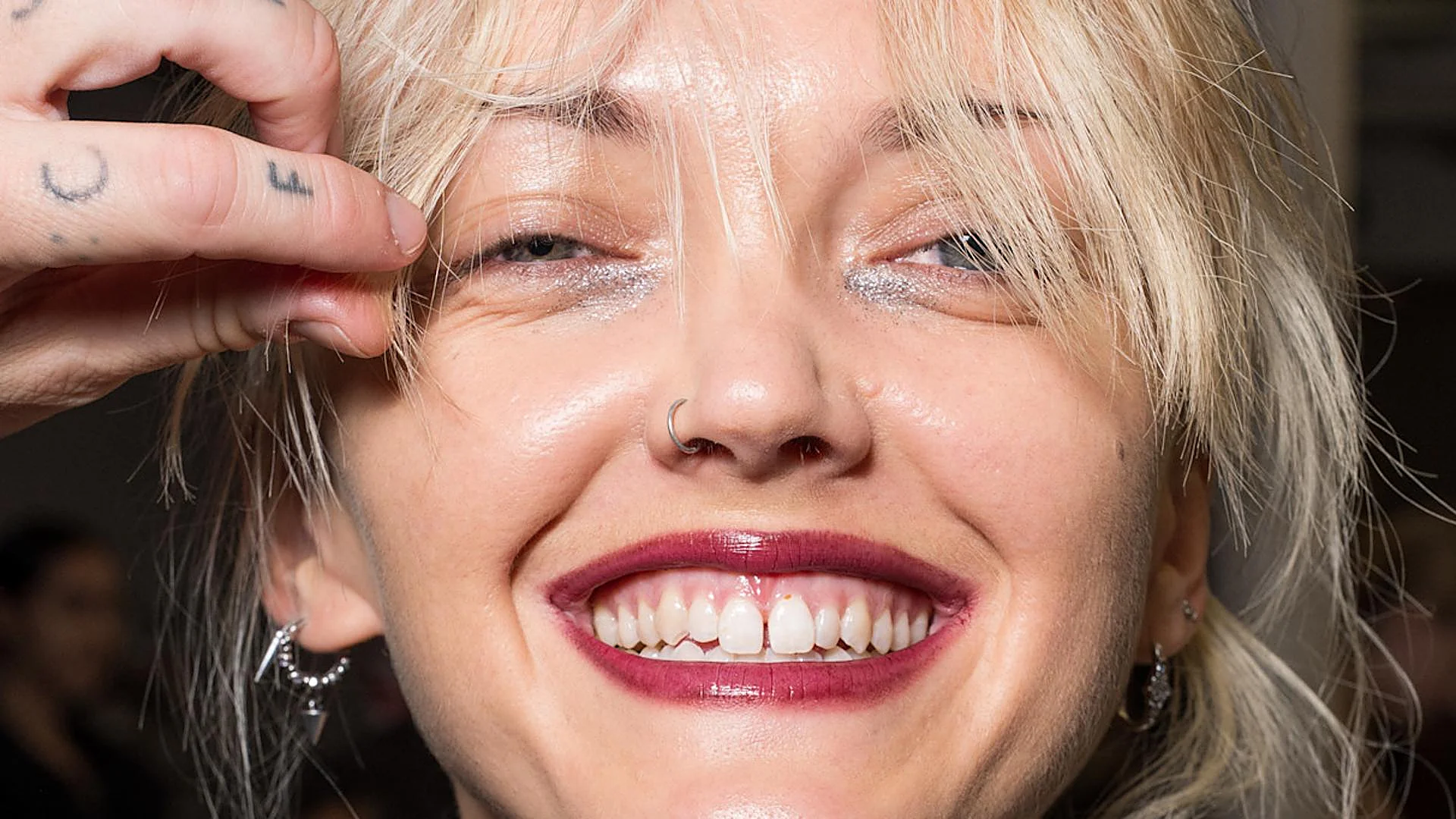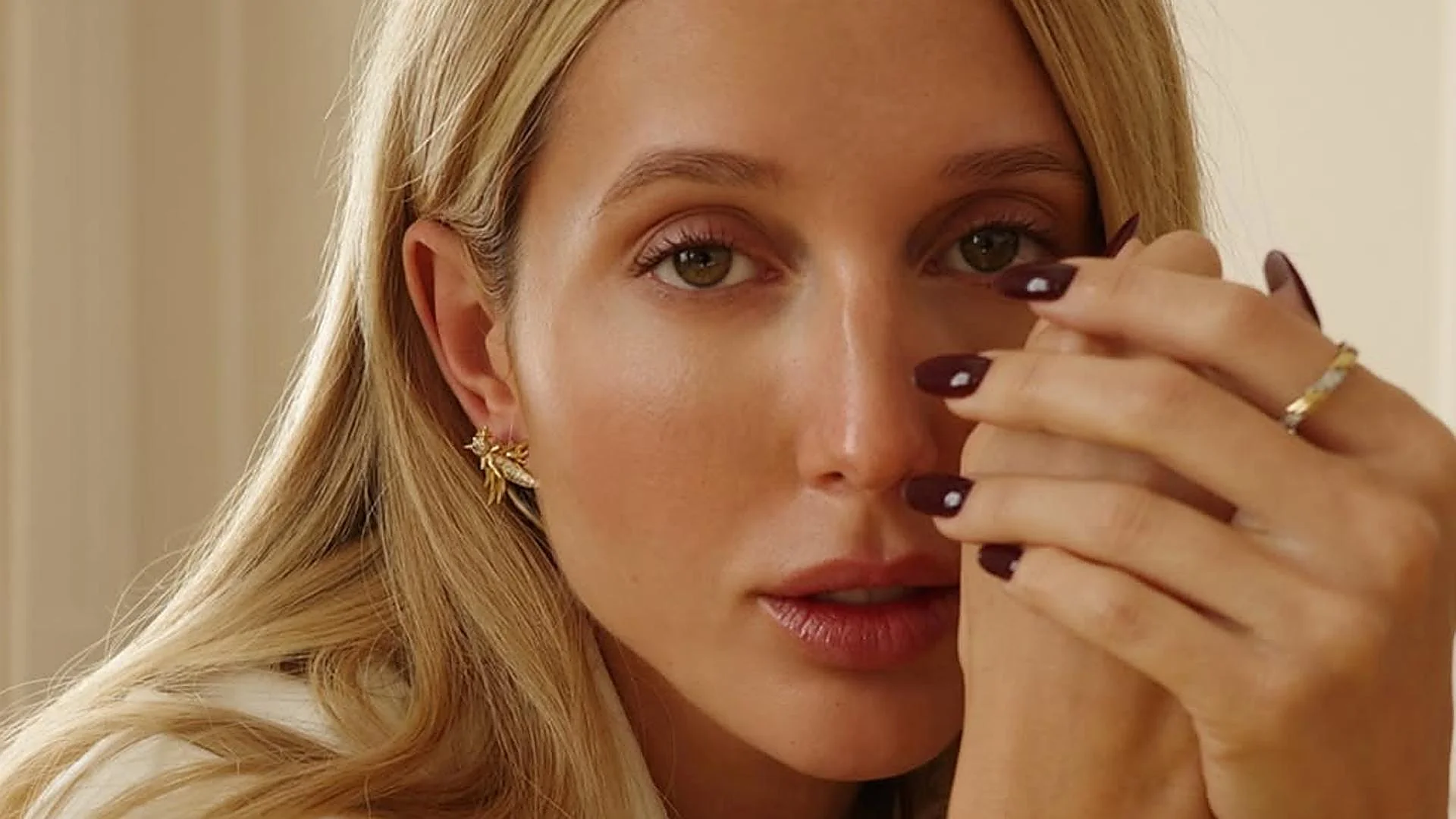
Those who have highlights know that keeping hair smooth, shiny, and frizz-free is not always easy. Especially during the colder months, when humidity, rain, and temperature changes seem determined to ruin any hairstyle. But, does hair with highlights really have more tendency to frizz, or is it just an impression? The answer is yes, and there is an explanation related to the changes that the hair fiber undergoes during bleaching.
This is confirmed by Ilaria Picciau, stylist at The Beauty Concept Hair, who explains that natural hair has a protective lipid film that helps repel water. However, when lightening it to create highlights, this protection is altered and the cuticle can become more open. “The hair becomes porous and absorbs ambient moisture unevenly. The fibers swell, lose their alignment and frizz appears,” the specialist notes.
And there’s a detail you may not know: frizz isn’t exclusive to rainy days. “Bleached hair stores more static electricity,” which is why it frizzes also with cold, thick winter clothing, or heating,” she adds.
Why do highlights make hair frizzier?
To understand it, one must look at what happens during the bleaching process. This process lightens the hair by oxidizing its natural pigments, but it can also alter the structures that keep the fiber strong and elastic. As a consequence, the hair loses part of its strength, becomes more porous, and has greater difficulty maintaining balanced hydration.
According to Picciau, the hair surface also becomes rougher, which explains why some highlight-treated hair loses shine and looks more dull. In addition, damage can accumulate with successive lightening sessions, especially at the mid-lengths and ends, the areas that tend to dry out more.
Now, does it happen the same with babylights as with balayage? The stylist clarifies that it does not depend solely on the chosen technique. “It matters, although what weighs more is how much we lighten and how much hair we try to apply the technique itself.”
Traditional foil highlights can produce a strong lightening and require special care during touch-ups to avoid applying bleach on previously treated areas. Balayage usually requires less maintenance, although it concentrates most of the lightening at the ends. Babylights, being so fine and numerous, can make more visible that small halo of frizzy hairs that appears around the crown.
The mistakes that worsen frizz when we have highlights
Although bleaching influences the appearance of frizz, some everyday habits can considerably worsen the problem. The expert points out several common mistakes: washing the hair with water that is too hot, using harsh shampoos, overdoing purple shampoo, or rubbing the hair vigorously when drying with a towel.
She also warns about using flat irons at high temperatures without a heat protectant and about the habit of drying the hair by directing the airflow from bottom to top, a practice that can promote a more frizzy look.
However, there are two other less obvious mistakes to keep in mind. The first is neglecting the balance between hydration and proteins, especially when the hair has undergone several chemical processes. The second is going to bed with wet hair or using pillowcases that create too much friction at night.
Regarding products, Picciau recommends seeking ingredients such as ceramides, lipids, panthenol, glycerin, or hyaluronic acid, in addition to bond-rebuilding treatments for damaged hair. She also advises tailoring textures to each hair type: lightweight formulas in spray or milk format for fine hair and creams or balms for the thicker or wavy ones.
The professional trick to keep highlights from frizzing on rainy days
If there is one thing that can make a difference, especially as ambient humidity rises, it is the way we dry the hair. The stylist at The Beauty Concept Hair recommends sealing and protecting the fiber while it is still damp, applying a leave-in conditioner and a heat protectant in sections.
Then, she advises distributing a few drops of lightweight oil on mid-lengths and ends and drying the hair with a diffuser or nozzle, directing the air from the roots to the ends and using a brush to smooth each strand. The final step is to finish with cold air to help achieve a smoother finish.
On particularly humid days, a humidity-blocking mist can become a good ally. She also recommends avoiding constant touching of the hair and opting for hairstyles such as a sleek low ponytail or a loose bun.
Can frizz be completely eliminated from hair with highlights?
The specialist stresses that eliminating it definitively is not a realistic goal, especially when the hair has already undergone structural changes. However, that does not mean one must resign to living with frizz.
Among the professional treatments she recommends are bond rebuilders, deep-nourishment rituals, and acid glosses, which help improve the appearance of the cuticle and refresh the shade of the highlights.
At The Beauty Concept Hair, she explains, they always begin with a hair diagnosis to tailor care to the real needs of each hair. The stylist also advises trimming the ends every two or three months and considering in-salon treatments every four to six weeks, accompanied by an appropriate at-home routine.