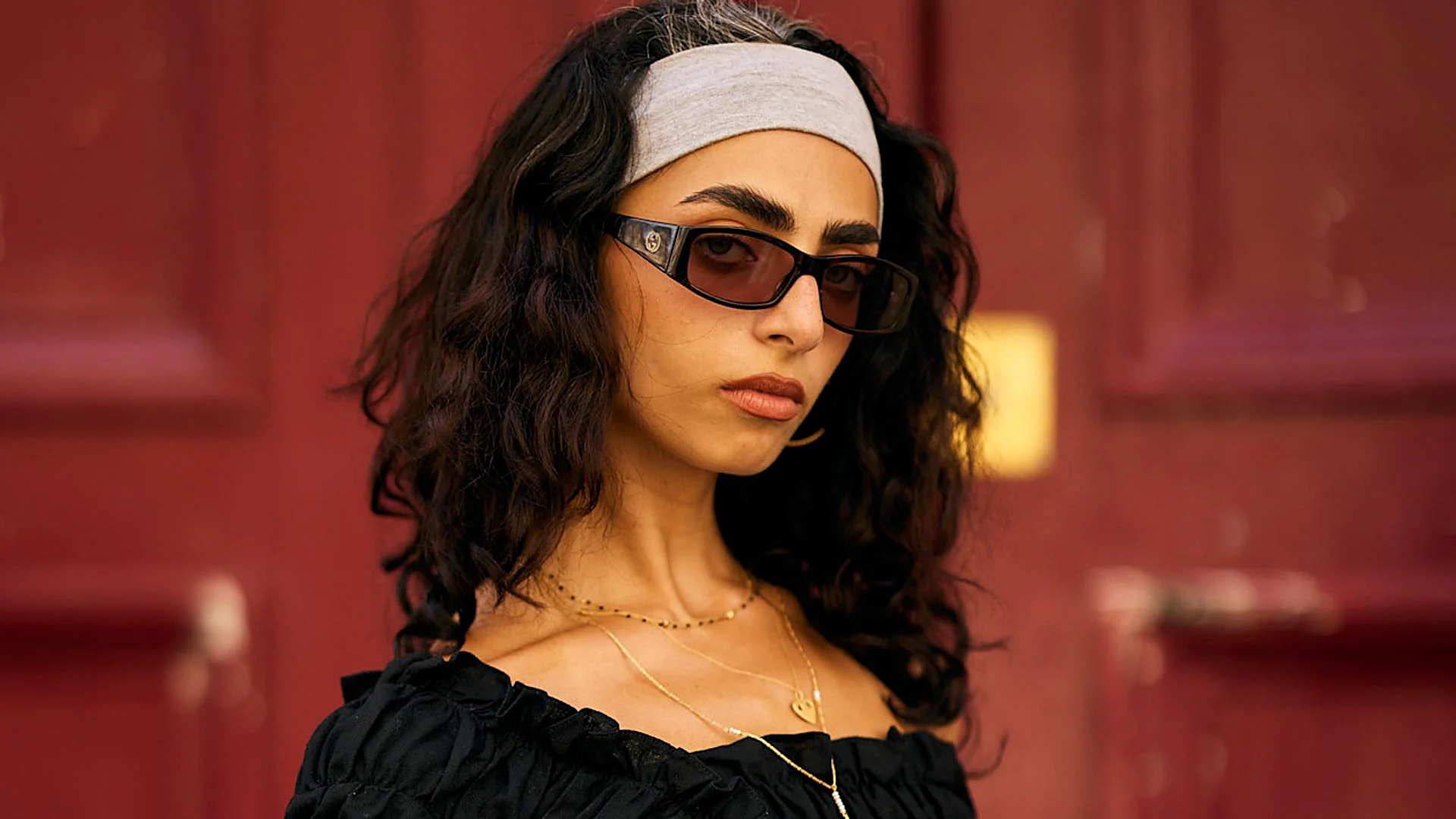
In recent seasons, head accessories have become essential in the wardrobes of the best-dressed. Hats, in their multiple versions, are on the rise, while the most original hair ties are the perfect option to turn a simple hairstyle into a special look. But if there is an accessory that has been reclaiming its space for seasons and returns this autumn with more strength than ever, those are headbands.
If you are a fan of Gossip Girl, this accessory will surely remind you of the iconic Blair Waldorf, who made these bands her signature. They are also common in guest looks, especially if you are not fond of wearing more conspicuous hats or fascinators, as they give the perfect sophisticated touch without overloading the face. But headbands are not reserved only for the preppy style or special occasions: they are also excellent allies for everyday looks, and the best dressed have left us countless proposals to imitate to get the most out of them.
However, headbands are not an accessory that appeared suddenly. It is necessary to travel back centuries to learn their history, and it’s worth it, because this accessory, initially simple and accessible, hides a powerful story of style, elegance and female liberation that has evolved with women over the years.
The origin of the headband is in Mesopotamia. Men and women of that civilization used it to secure the hair, but with an ornamental twist that marked the difference. While the men’s were adorned with beads hanging from the sides, the women’s used beads in the shapes of leaves and flowers with embedded stones.
From Mesopotamia it traveled to Egypt, where it was a unisex accessory made of metal and precious stones, and from there to Greece and Rome. The ancient civilizations borrowed the Mesopotamian model which, moreover, recalled the diadems of the gods and gave the accessory a mythical meaning. Precisely for this reason headbands with nature-inspired motifs – the legendary laurel crowns – were those that imposed themselves on both winners of games and emperors.
Mujer con diadema de cinta
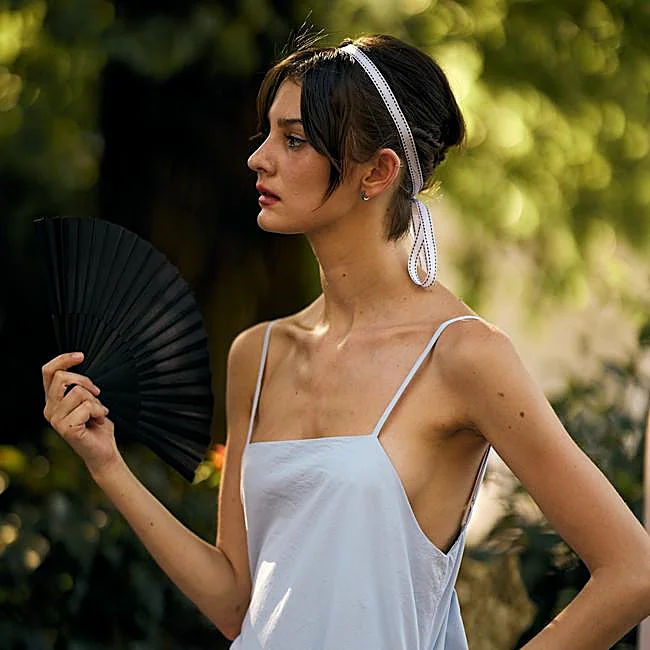
In a more earthly sense, headbands were used, as in their origins, to tie the hair. In fact, the term ‘diadem’ comes from classical Greek and means ‘to tie around in a circle’, which is exactly the function for which it was created. For that, they used simple ribbons that perhaps they inherited from the Neolithic era, somewhat finer than those that are trending today, but serving a similar purpose.
One of the curiosities of the headband is that it has been both a democratic element and a symbol of power. While it is true that its more functional facet was never set aside, the headband has had, throughout history, a powerful meaning associated with power and victory, something that continued to be perpetuated in the Middle Ages, when it became the go-to accessory to wear at official events or royal weddings.
From the feminist struggle to the 90s style icon
The 20th century continued to add meaning to headbands, which became a full symbol of freedom for women. It all started in the 1920s thanks to the flappers and their drive to break with all aesthetic and behavioral norms that could curb women’s freedom. Along with bob-style haircuts typical of the era, they helped achieve a comfortable, fun, and very free image that reinterpreted the codes of femininity and has since become an icon for many.
But if there is a woman who has managed to make headbands a true symbol, that is Rosie the Riveter, best known as the image starring in the iconic “We Can Do It!” poster. Rosie wears a red headband with white polka dots that matches a work jumpsuit typical of the World War II factories, which, for the most part, was full of women and testified to how they could do exactly the same work as men.
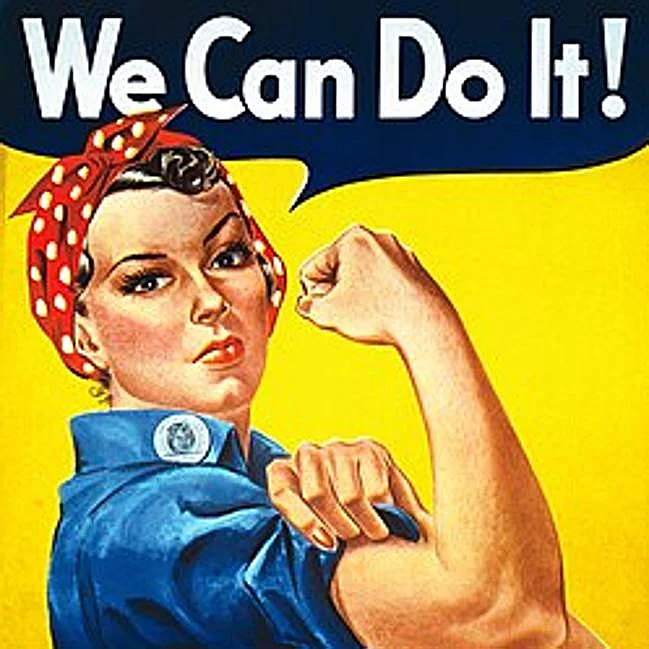
Although Rosie was not born with feminist intentions (her aim was to encourage women to work in factories in the face of men being away), over time she did become an icon of this movement. This led many women to imitate her style and to complement their looks with wide headbands representing their values and the defense of their ideals, turning this accessory into a political accessory.
The 20th century advances and the headband adapts to the aesthetic and social needs of women of each generation. In the 60s, wide ribbons became fashionable, matching other trendy garments like low-waist mini dresses. This version remained the favorite of the most stylish well into the 90s, when narrower designs were made from hard plastic or rubber.
Part of the collective memory are the photos of Carolyn Bessette-Kennedy with her tortoiseshell headband (which, by the way, have surged back in both broad and narrow versions) or Britney Spears with those zig-zag headbands that, let’s admit, we have all worn in our childhood or adolescence. If in the 90s and 2000s they were an indispensable basic in the wardrobe, in recent seasons their popularity has grown again thanks to houses like Chanel, Miu Miu, or Prada that have brought it back to the runways, or to styles like athleisure led by figures like Bella Hadid that have brought back the perfect sporty version for everyday looks.