«Gucci becomes the first luxury fashion house to be the main sponsor of Formula 1», announced just a few days ago by Francesca Bellettini, president and chief executive of the Italian firm. A forceful message of innovation, exclusivity and unity in what seemed to be two completely opposing worlds: fashion and sport. However, for several years now, both industries have generated synergies that have proven to be far more connected than expected and mutually necessary to reach a wider audience.
And the arrival of this sponsorship of the luxury house to the Alpine racing team is not the only example. The recent announcement that Loewe will be the brand that outfits the players of the Spanish national team during the FIFA World Cup, or Lamine Yamal appearing with a Chanel bag and tweed jacket, are proof that things are changing.
The world of sport these days is focused on two major championships. This weekend the Formula 1 Monaco Grand Prix took place and on Thursday the long-awaited first match of the 2026 FIFA World Cup, to be held in Canada, Mexico and the United States, will take place. Two very special events that transcend sports and in which fashion plays an increasingly important role.
Formula 1: from Tommy Hilfiger sponsorship to becoming the most coveted runway for celebrities
Gucci’s arrival on a single-seater is only the tip of a mountain that has been building for a long time. In 2018, for example, Tommy Hilfiger announced that it would dress the members of the Mercedes team. An alliance that sparked much conversation, not only because it would make the team the most elegant in the paddock, but because with Lewis Hamilton being named ambassador for the fashion brand we would see a radical shift in the relationships between the two worlds. The transformation of Formula 1 into a global spectacle driven by entertainment and style has been a process that has taken years, and Tommy Hilfiger has continually participated in this evolution that is carrying the sport toward new cultural spaces.
Gucci’s F1 car, Checo Pérez dressed in Tommy Hilfiger apparel and the Louis Vuitton trunk for the trophy.
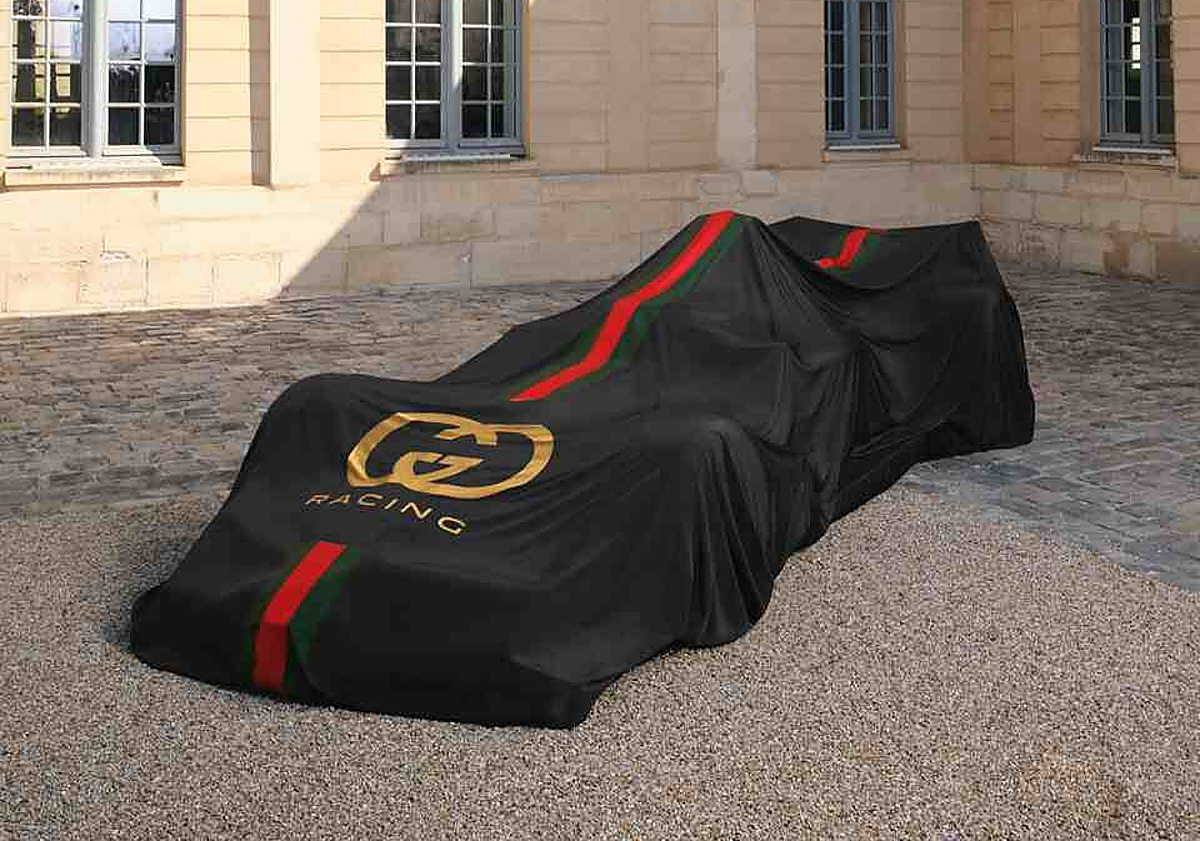
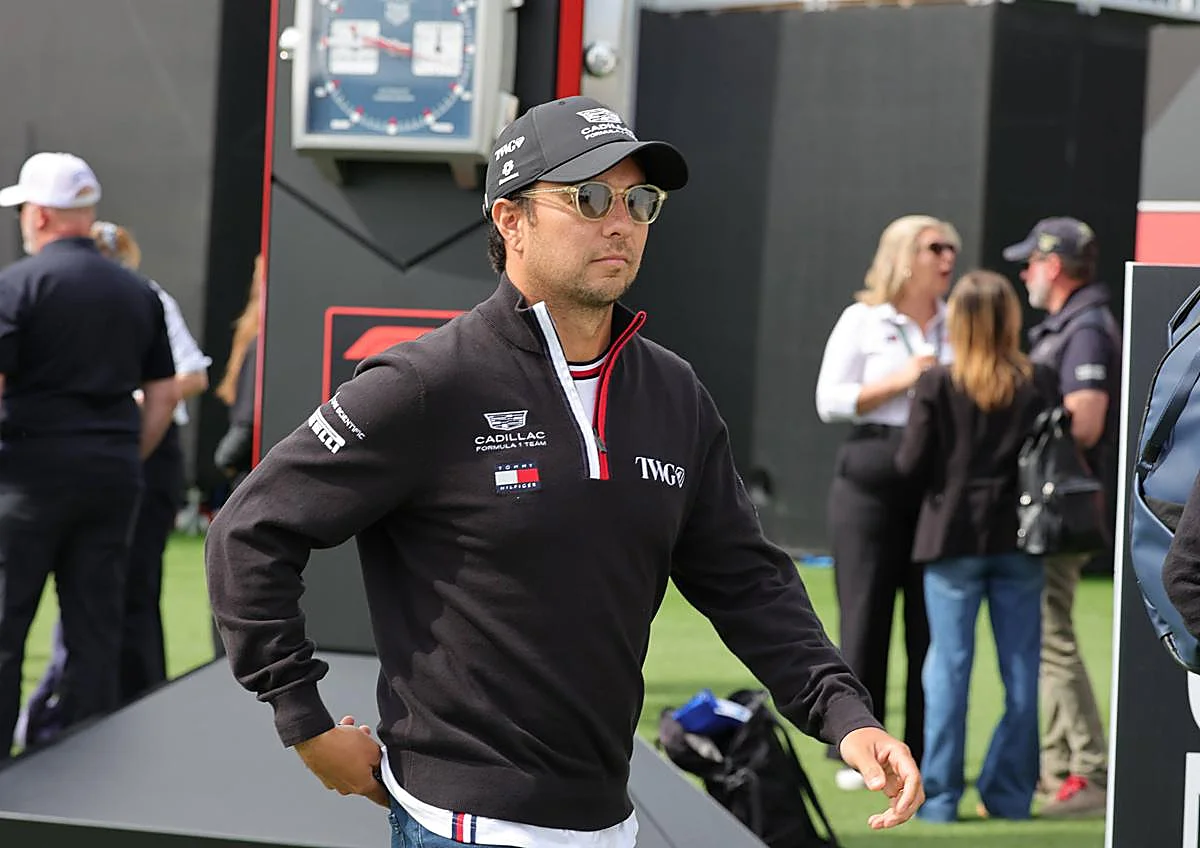
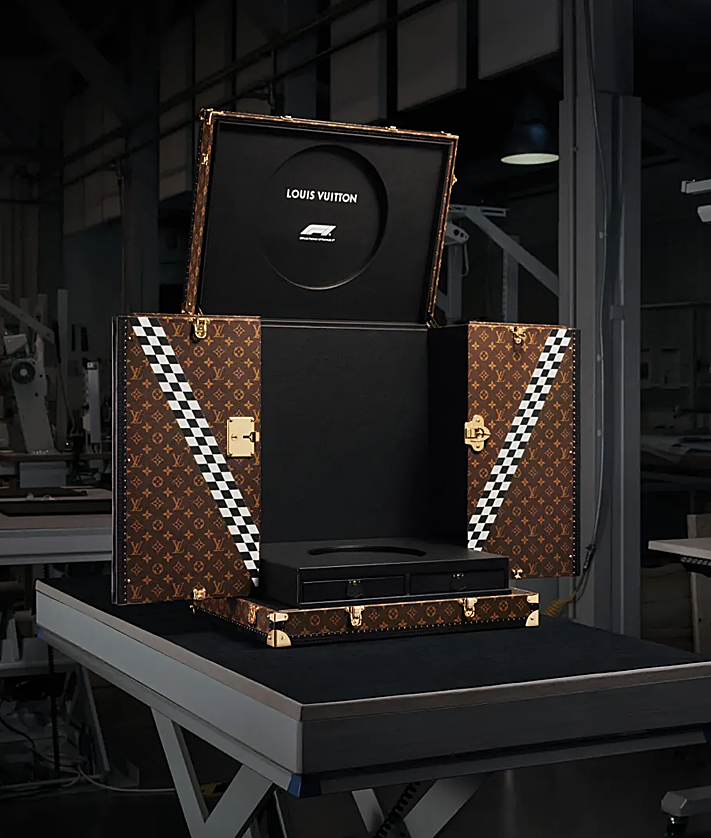
«Al apostar por el automovilismo, nos entusiasma presentar una nueva expresión de lo que es posible cuando la moda evoluciona al ritmo de la cultura pop. Esta icónica colaboración continúa nuestro legado de romper barreras, llevar estilo a la parrilla e impulsar el futuro de la Fórmula 1», afirmó Lea Rytz Goldman, presidenta global de Tommy Hilfiger, sobre esta colaboración.
Una nueva forma de ver el deporte que nos confirma Toni López, periodista deportivo de la Cadena SER: «Me gustaría destacar el papel del grupo LVMH en ese ‘novedoso’ enlace entre el deporte y la moda y el lujo. Ahora mismo es el patrocinador principal de la Fórmula 1, el deporte más elitista de la actualidad«. Y es que, Tommy Hilfiger no es la única firma que explora este nuevo mercado, Louis Vuitton tiene una presencia destacada en los Grandes Premios, incluyendo sus icónicos baúles para los trofeos; y, por ejemplo, Hugo Boss es la marca que viste y patrocina a escuderías como Aston Martin.
Charlotte Tilbury made history by becoming the first beauty brand to sponsor the F1 Academy.
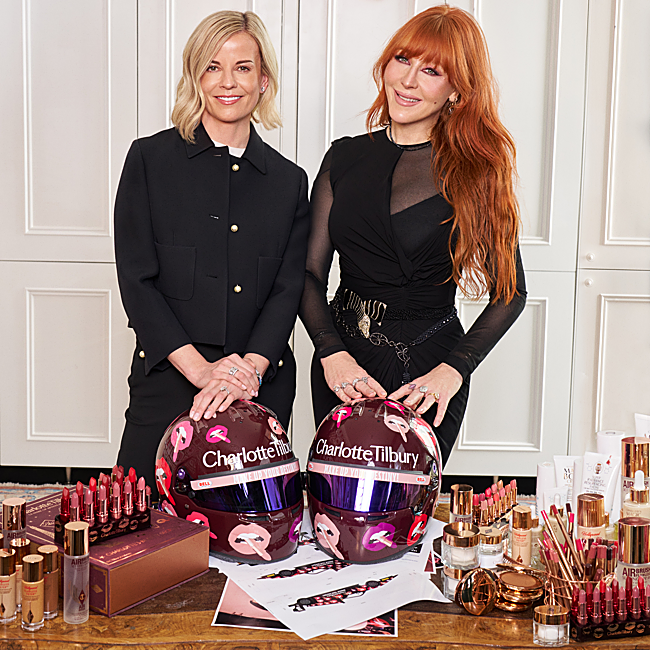
Tanto es así, que recientemente se han implicado marcas de belleza y maquillaje, que su público objetivo es, principalmente, el femenino. Es el caso de Charlotte Tilbury que hizo historia al convertirse en la primera marca de belleza en patrocinar la F1 Academy para promover el talento femenino o Sephora, que se ha sumado como socio oficial de belleza de la F1 Academy, llevando espacios de maquillaje («Glam Bars») a los circuitos. L’Oréal Paris también está presente en la competición a través de acuerdos de embajadores globales con pilotos como Carlos Sainz.
Además, cabe destacar que los Grandes Premios se han convertido en ese place to be de celebrities. Y es que, Mónaco, Abu Dhabi, Miami o Bélgica se convierten en auténticas pasarelas de moda cuando se está disputando una competición de F1. Los paddocks se llenan de rostros conocidos y, a pesar de tratarse de un ámbito deportivo, la Fórmula 1 pasa a ser toda una fuente de inspiración estilística. Looks en la que no faltan los zapatos de tacón o las firmas de lujo se vuelven protagonistas de la mano de asistentes, invitados o familiares y amigos de los pilotos.
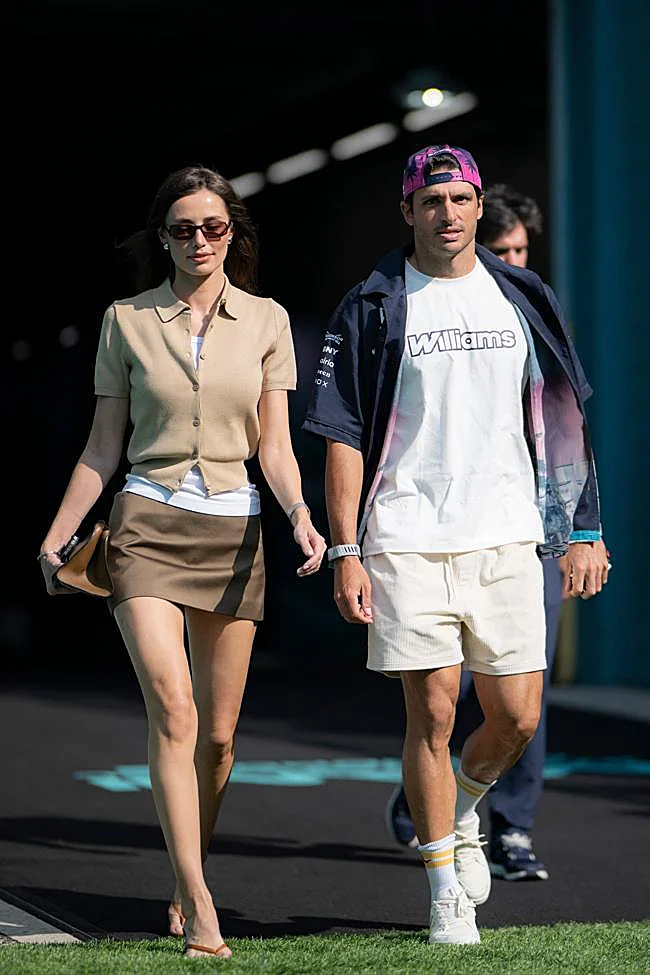
Carlos Sainz and Rebecca Donaldson at the Miami Grand Prix.
Luxury fashion sustains the 2026 FIFA World Cup
The same is happening with the 2026 FIFA World Cup, which is turning into one of the major confirmations of fashion’s importance in sport. If you were surprised by Loewe’s announcement as sponsor of the Spanish team, wait because there’s more. The luxury fashion house BOSS is responsible for designing the walk-out outfits for the United States team, Armani outfits the Italian team and Jacquemus has allied with Nike and the French Football Federation to launch a lifestyle capsule that will accompany Les Bleus on their way to the championship.
The French players wear the Jacquemus and Nike collection.
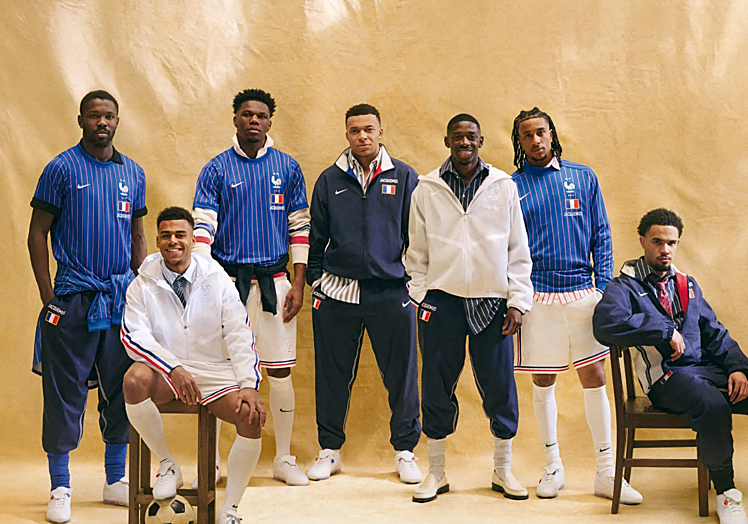
«In France, football is more than a sport; it is present in daily life and has always been part of my life», said Simon Porte-Jacquemus himself. And indeed, the country has been one of the pioneers of an inclusion in fashion that erases the lines between the feminine and the masculine. Sports journalist Toni López, an expert on sport, tells us about it: «For several years now the French national football team posts a video on social networks of the players arriving one by one to the training camp, and in 2024 Koundé—who has always cared about fashion—arrived in a leather jacket, a tie, jeans, a bag and, what surprised everyone, heeled boots».
«Many people mocked him for it, but others have followed his example. Not by wearing heels, but by following that modern style, far from traditional masculinity or fragile masculinity that today still characterizes some athletes and many spectators of these sports», adds Toni López.
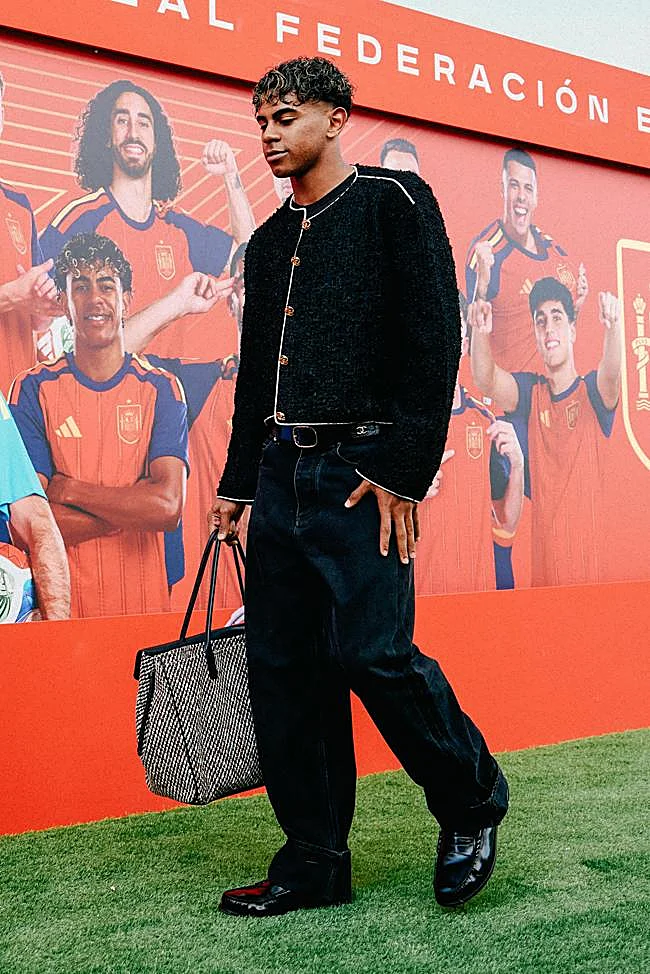
The most important look of Lamine Yamal.
The latest to do so? A Lamine Yamal who appeared at the World Cup training camp in an all-Chanel look that generated a lot of chatter. And not only for wearing garments created by the luxury brand that, at first glance, seems to boast a style far from the Barcelona footballer, but also for much more feminine items such as the bag or the tweed jacket.
The Spanish footballer is one of the major references of Generation Z and these kinds of appearances are more than necessary to find new horizons in a sport clamped to a very specific type of masculinity. Fashion is helping a lot to debunk these stereotypes and, as we said, social networks have played a very important role. that has a lot to do with the growth of social media. «I think it has a lot to do with the growth of social media. 30-40 years ago a sportsperson would go to work for a couple of hours or three, play their match and go home. And if you were good, a couple of TV commercials and that’s it. Now it’s different», confirms López.
«Athletes are valued for how they perform within their sport and for how they are off the field. They are far more exposed, they are a 24-hour brand image. And that image has to be cared for; brands, advertisers, agencies that represent and communicate for the athletes and the athletes themselves know this. And to take care of that image it is important to follow fashion and masculine beauty trends and, why not, to generate your own trend», the expert concludes.