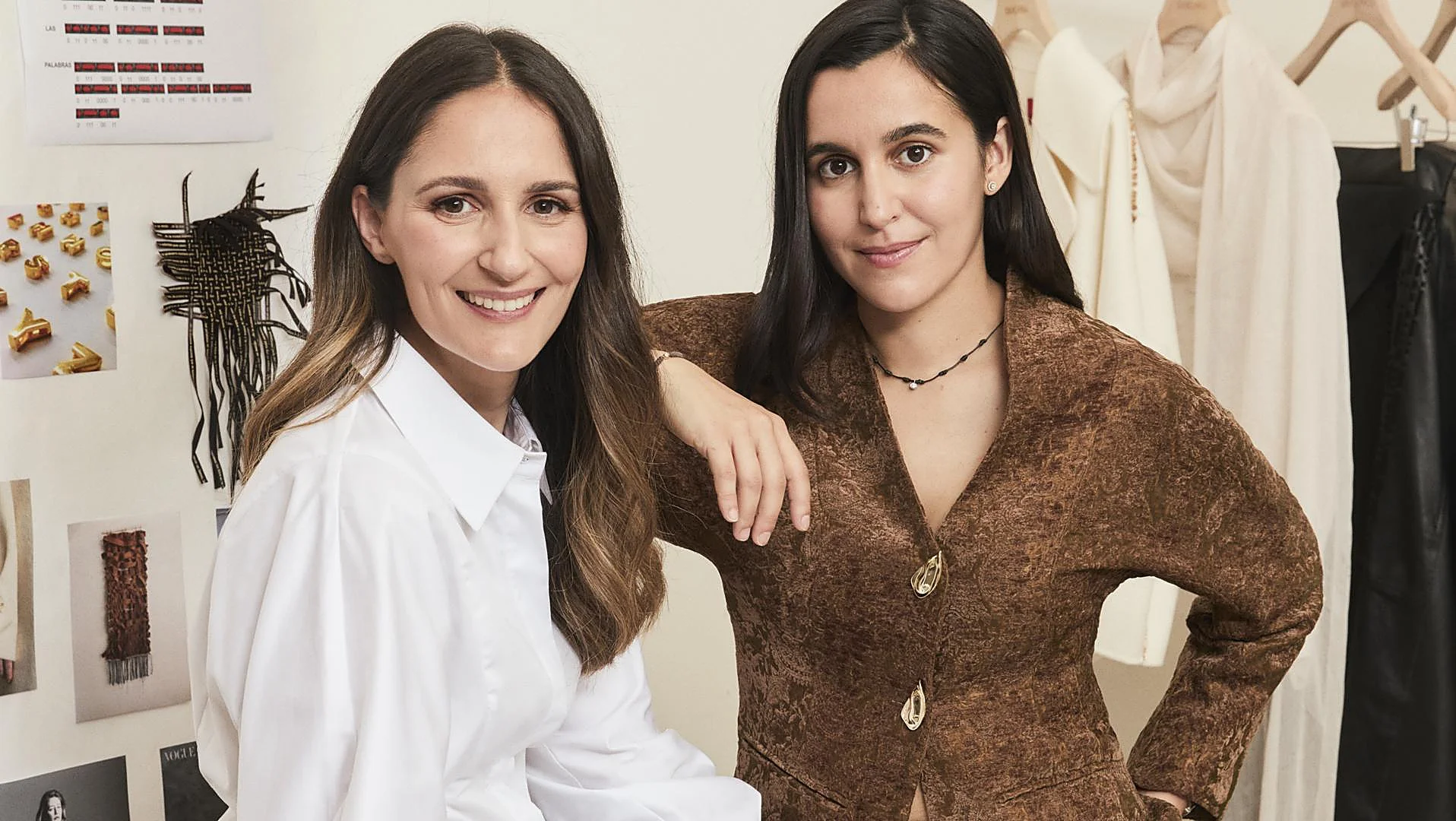
«Working at Simorra is a constant challenge», both Eva Dimas, Head of Brand of the firm, and Victoria Mitjans, its current Head of Design, concur. The story that binds the two to this Barcelona-based house goes back a long way. The first grew up surrounded by fabrics thanks to her family’s tradition in the textile sector: «My earliest memories are at my parents’ factory, where they taught me how this industry works.» But there was a turning point that gave rise to her passion for the world of fashion: a Javier Simorra show. «It was my first show. For a child so small, seeing fabrics come to life was something incredible,» she recalls.
Victoria joined the firm in 2012. «My first connection with the brand was through the fabrics, where I absorbed all the knowledge before being beside Javier», the creative recalls. Years later, she took on the role of design director of the company. «It is the job and position I had always dreamed of. Doing something I am passionate about every day is a true fortune,» she reveals.
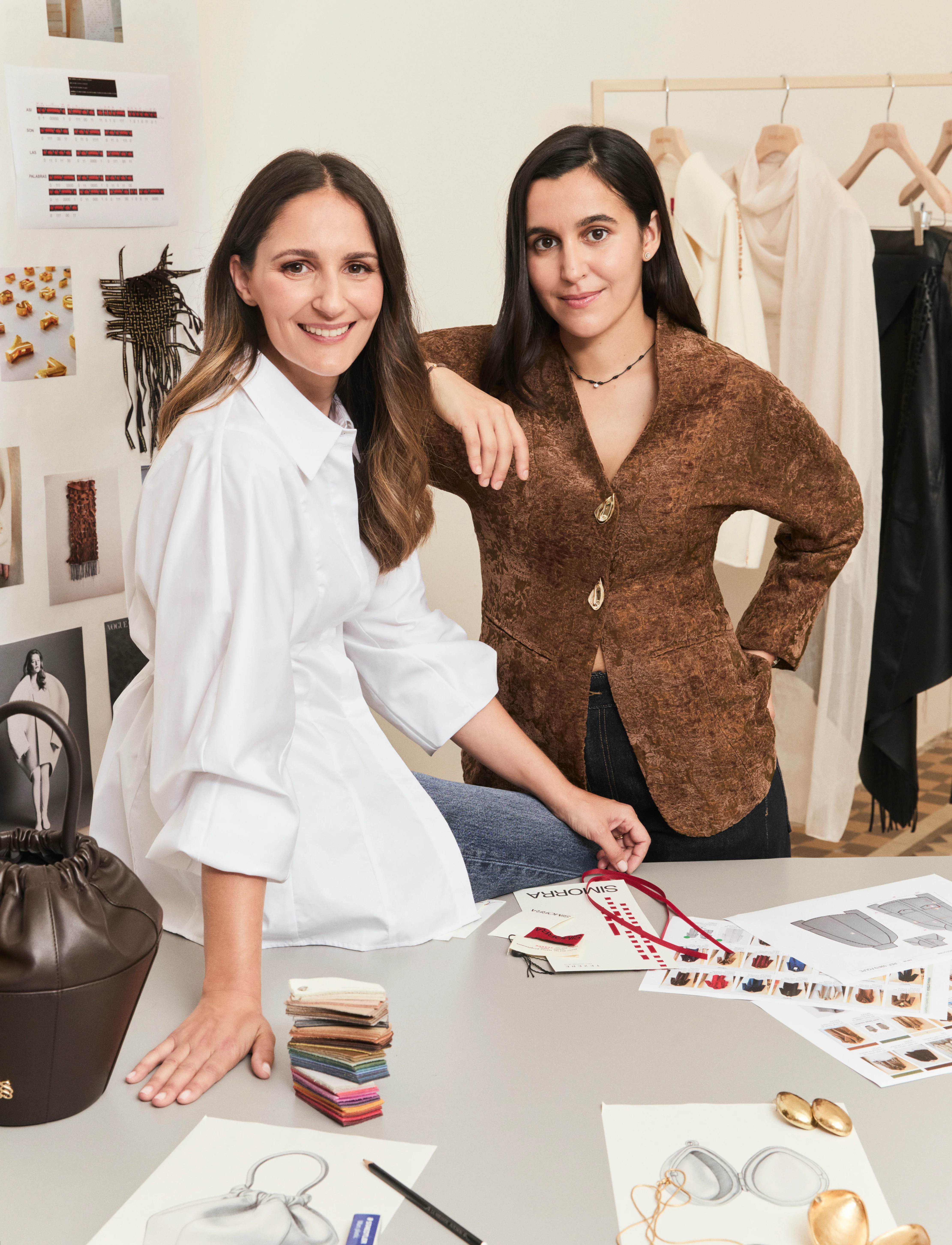
Victoria Mitjans, Head of Design, and Eva Dimas, Head of Brand.
Since 2016, together they form the duo that breathes life into the present of Simorra. And although they approach the brand from different professional perspectives, they always walk hand in hand. «We have a clear objective and vision for the brand. We are highly connected and in a constant search for the next story to tell. Together we find the concepts that excite us and motivate us to create each collection,» explains Dimas.
For both, their work is a constant beginning. «Although we have been at Simorra for years, we feel that we are always starting and in an endless process of reinvention,» confesses the brand head. «Eva is explosive. Since her arrival, everything feels like a revolution, and I think what moves us most is feeling the same excitement with which we started,» adds Victoria. Among their transformations and ideas, parts of Javier Simorra’s design legacy remain, such as «the love for detail, proper patternmaking and quality», Mitjans enumerates.
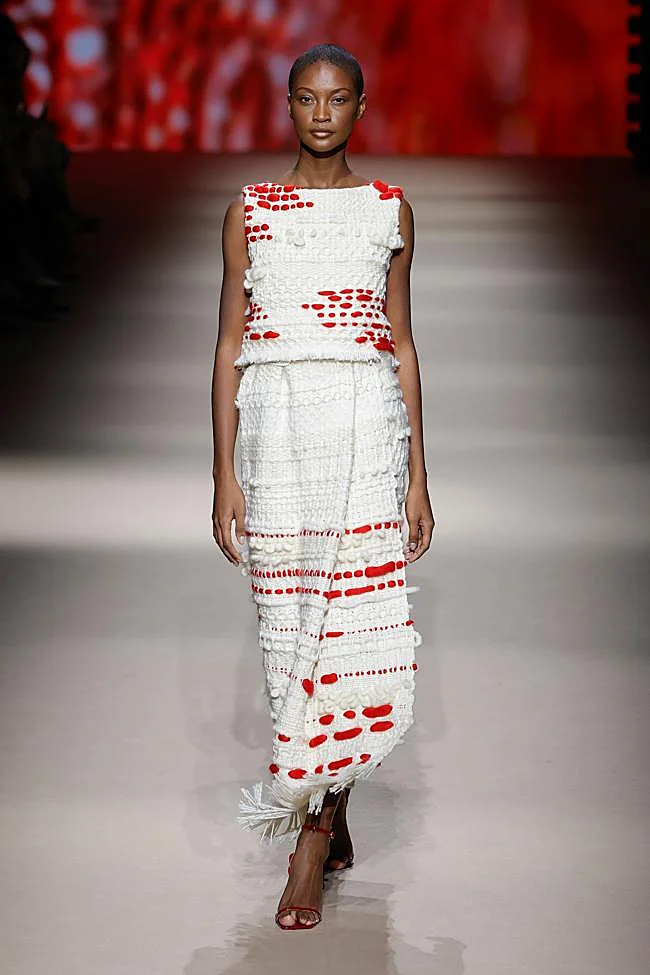
Dress made on a manual loom with references to the binary code presented on the runway.
The Fabric as the Origin of Everything
Fabrics are the foundation of the label. «Producing them offers a never-ending array of possibilities and, at the same time, is a challenge to narrow our ideas in the search for a single concept to embody», explains Dimas. Texere, (from the Latin, «to weave»), her collection for autumn-winter 2026/2027, pays homage to her textile heritage and origin. «We wanted to reflect on the knowledge that is lost when a generation disappears», the brand head says.
The chosen name alludes to weaving as one of the first forms of human communication. «The term gave us goosebumps. It conveys exactly what we do, that is, we sculpt by weaving and tell concepts through garments,» she states. The creations hide texts written by themselves, such as words embroidered in red thread or translations of binary code through sequences and abstract glyphs.
From top to bottom, image of the backstage of Simorra’s autumn-winter 2026/2027 show; detail of the Tinaja bag; and a look with words written from the Texere collection.
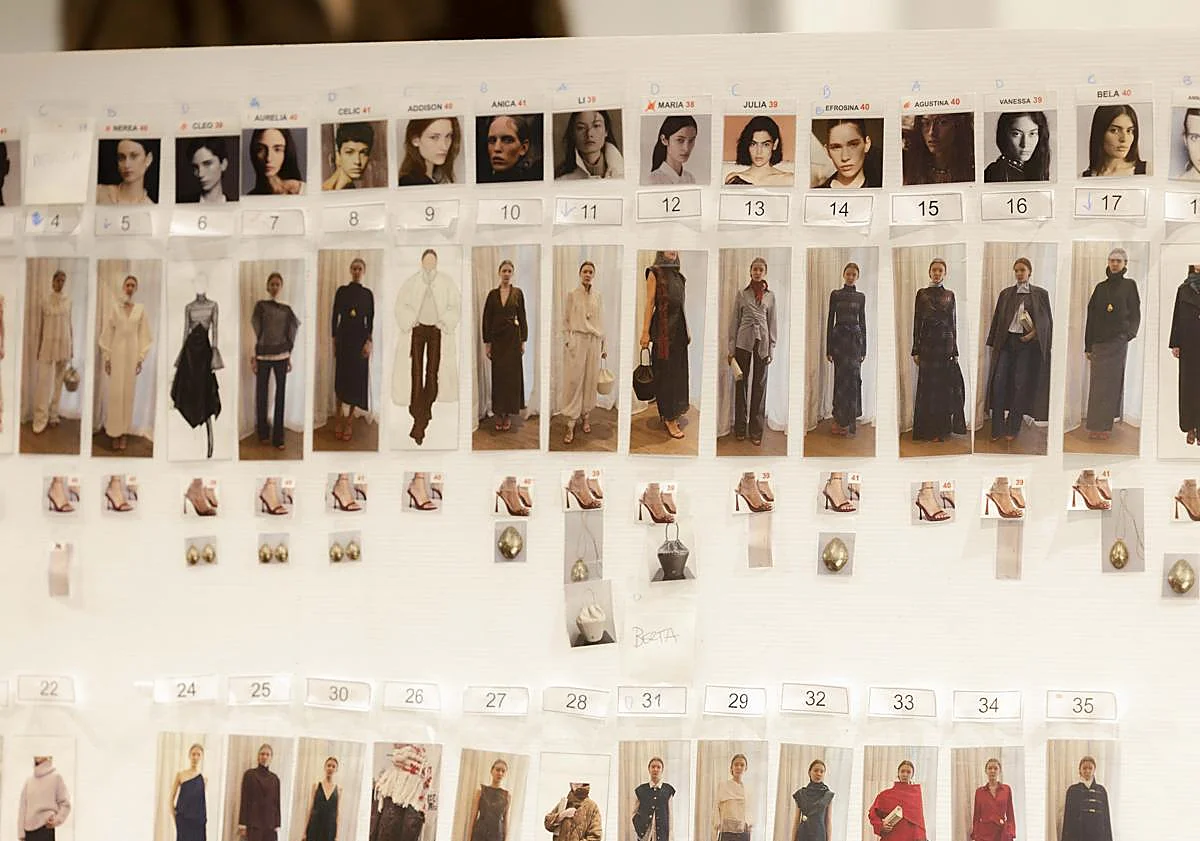
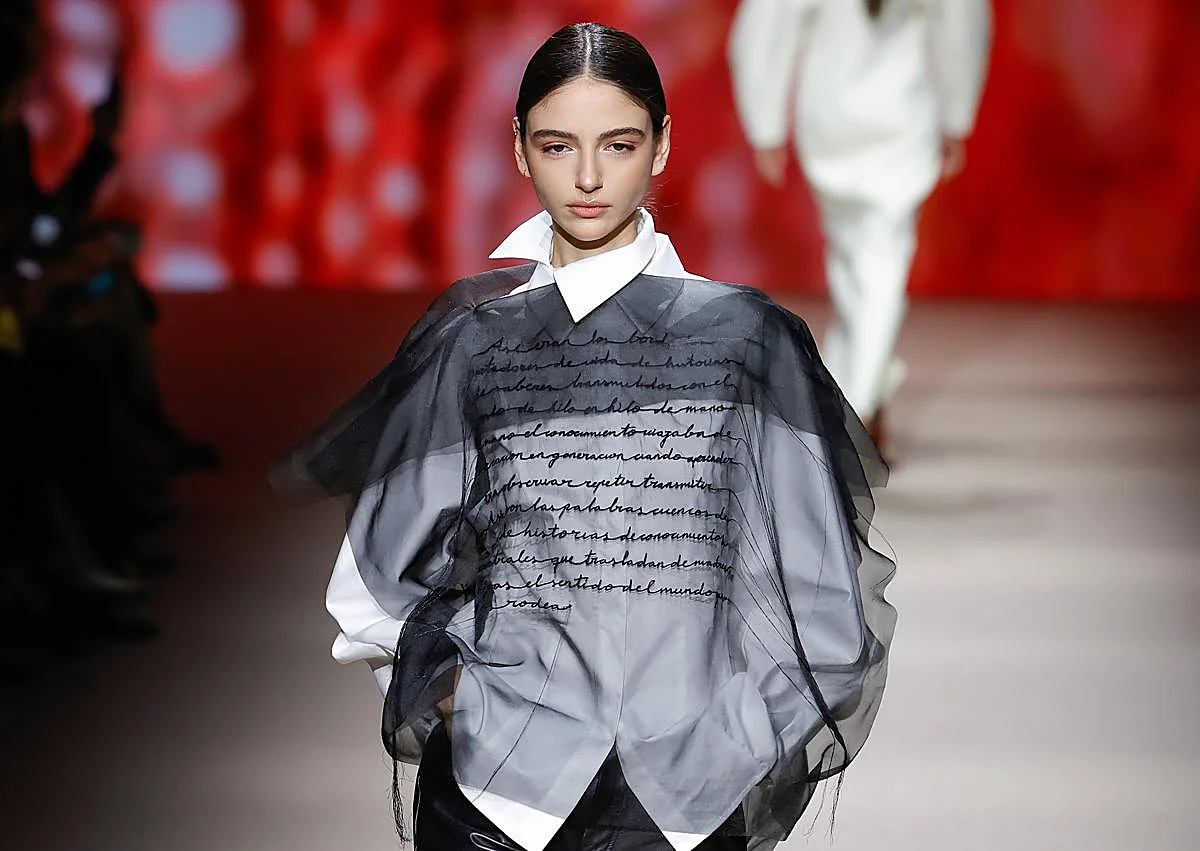
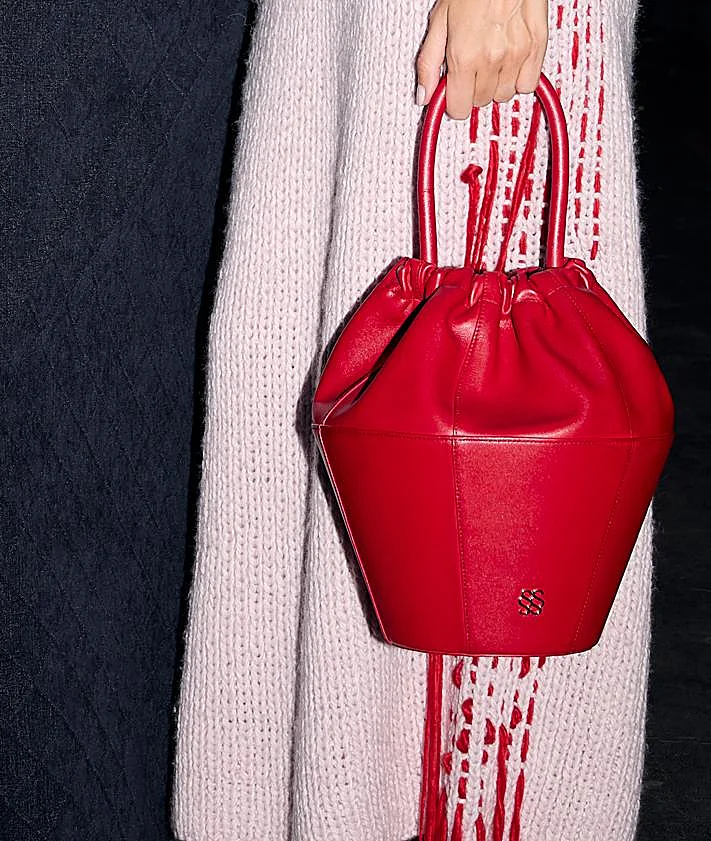
«It is a collection with a message, literally», sums up Mitjans while Eva adds: «It is a way to transmit the legacy of our predecessors». The embroideries explore thicker materials, such as double-faced cloth or metallic characters printed on the garments, and others that are more fluid and flexible, such as gauze or interlaced napa strips.
On the development of the fabrics that make up the collection, Mitjans acknowledges that receiving the samples and seeing their phrases handwritten was exciting. The garments of Simorra follow a philosophy similar to writing: they are intergenerational and are designed to withstand the passage of years.
«In immediacy is not our thing. The material requires time, it is not instantaneous. We like to create designs that make people reflect,» Dimas says. In the face of the industry’s speed, the Barcelona-based firm continues to advocate for craftsmanship. «The manual work behind a garment highlights the value of time», Mitjans concludes.