Cortisol has become one of the favorite explanations on social media for almost any everyday discomfort. Just spend a little time on TikTok or Instagram to encounter cortisol face, cortisol belly, breakfasts designed to avoid “peaks”, recommendations to delay coffee, workouts that supposedly trigger this hormone or morning routines designed to keep it under control. And I admit there is something tempting in all this. Who wouldn’t want to find a single explanation for that fatigue, that anxiety or that stubborn belly fat that’s hard to lose?
We spoke with Dr. Rosa Mirete, endocrinologist specializing in Endocrinology and Nutrition at ENEA Clinic, to bring a bit of clarity to the matter. “Cortisol is not indicated to be measured as a general marker of fatigue, anxiety or weight gain,” she explains. The endocrinologist adds that these are nonspecific and very common symptoms, and analyzing this hormone in that context can end up generating results that are difficult to interpret, more tests and a concern that perhaps should never have started. And that is where the cortisol story begins to get interesting.
Cortisol also has to rise
This is one of the ideas we’ve lost along the way: the goal of our body is not to have cortisol as low as possible. We need it. It participates, among other functions, in the regulation of metabolism, glucose, inflammation and blood pressure. And it also changes throughout the day.
“Cortisol is a complex hormone, it’s not a ‘stress marker’,” explains the endocrinologist. According to Dr. Rosa Mirete, its levels follow a circadian rhythm tied to our sleep-wake cycles (they are higher in the morning and decrease at night). Illness, some medications or lack of sleep can also alter its values.
Cortisol is a complex hormone, not a ‘stress marker’
That is to say, cortisol rising and falling across the day is part of the normal functioning of our body. Perhaps we should rethink that idea of organizing part of our life around avoiding any rise of a hormone that, by nature, fluctuates.
Recently, health psychologist Ángela Rodríguez Rodríguez spoke on LinkedIn about the myths that have been built around cortisol. For psychologist Ángela Rodríguez, the problem arises when the stress response remains activated for a long time, something quite different from considering cortisol an enemy that we must always keep under control. Rodríguez sums it up in a very useful way: “It’s not about lowering cortisol at all costs, but about helping the body regain its balance.”
And the cortisol face we see everywhere?
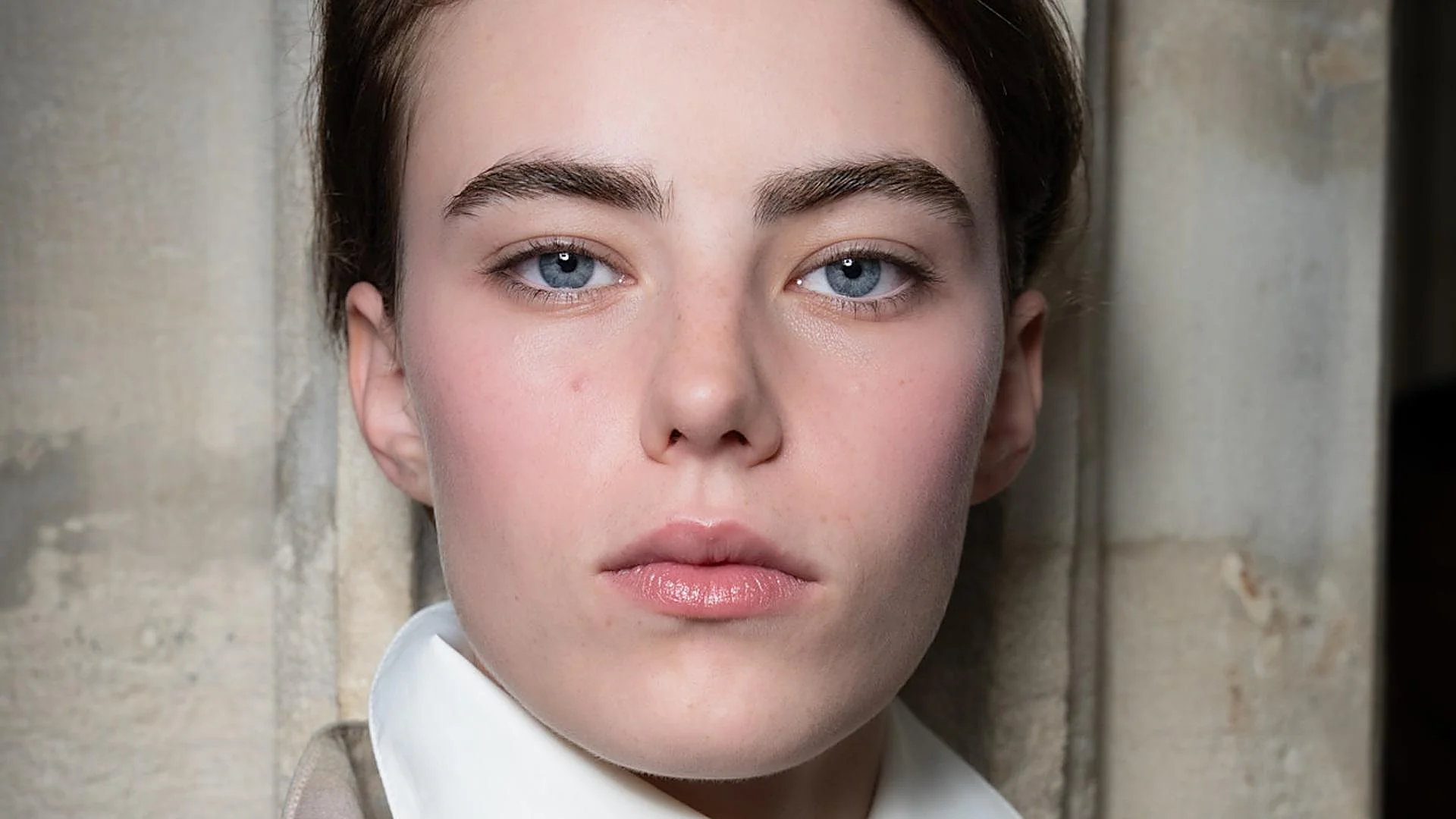
Cortisol face is used on social media to describe a rounder or puffy face and link it to stress. But, as Dr. Rosa Mirete explains, “it’s not a medical term.” What does exist is the so-called moon face or Cushingoid facies, one of the signs that can appear when there is real hypercortisolism, such as that associated with Cushing’s syndrome or with the administration of glucocorticoids. And we’re talking about something quite different from waking up on a Tuesday feeling that our face is more swollen.
In Cushing’s syndrome several signs can appear at once, including weight gain in the upper body, a rounded face, accumulation of fat in certain areas, loss of muscle mass and weakness, hypertension, glucose abnormalities, thin skin that bruises easily or reddish or purplish stretch marks.
With cortisol belly something similar happens. It’s not a medical term either. “In hypercortisolism there can appear centripetal obesity, with abdominal predominance, thinner limbs and muscle weakness,” explains Dr. Rosa Mirete. In other words, having abdominal fat and having a disease characterized by cortisol excess are two very different things.
The problem of recognizing ourselves in every symptom
Here is, for me, one of the keys to why cortisol works so well on social media: it’s incredibly easy to see yourself reflected.
Do you sleep poorly some nights? Yes. Have you woken up tired? Also. Have you felt anxious? Probably. Do you have periods with more hunger? Of course. Do you notice changes in your body when you go through a tough season? It’s possible.
If we group such habitual symptoms under one label, almost anyone might end up thinking: “Maybe I have high cortisol.” But Dr. Rosa Mirete insists that fatigue, anxiety and weight gain are too nonspecific to use them as a sign that we should measure this hormone.
The Endocrine Society guidelines go in the same direction. They recommend studying Cushing’s syndrome in specific profiles, such as people with several progressive signs compatible with the disease or unusual characteristics for their age, and discourage extending tests generally to the rest of the population.
This changes the question quite a bit. Instead of thinking “I have these symptoms, I’ll check my cortisol,” one should ask which specific disease is being ruled out.
So do I have to delay the coffee?
I’m sure this is one of the cortisol recommendations we’ve heard most often lately: getting up and waiting before having coffee because caffeine could coincide with the supposed morning peak.
To this recommendation are added others such as having breakfast before it, avoiding intense exercise at certain times, following a specific morning routine, or trying to reduce any situation that could raise cortisol.
Intense exercise is a good example of why maybe we are oversimplifying these rises. William Wallace, PhD in Health and Human Performance specializing in Nutrition Sciences, echoed a study published in Psychoneuroendocrinology that observed something that, at first glance, may seem counterintuitive. In 83 healthy men, a session of intense exercise raised cortisol during the effort itself, but those who trained at higher intensity showed afterwards a cortisol response to a psychological stressor that was lower. The study is small, performed only in young, trained men and analyzes a short-term effect, so it does not allow turning the result into a general rule. But it does leave an interesting idea: something that raises cortisol at a particular moment does not by itself mean it is harmful nor that we should avoid it.
When we asked Dr. Rosa Mirete what a healthy person should do to avoid those “peaks”, her answer was “sleep well, engage in regular physical activity and follow a balanced Mediterranean diet, reducing excess refined sugars and ultra-processed foods.” These are the recommendations the endocrinologist points to as evidence-backed. And I find that meaningful. Because perhaps we have reached a point where a simple piece of advice seems insufficient.
Sleep, move, eat well. Against that, waiting a specific number of minutes before coffee seems much more specific. It also gives a greater sense of control. But Dr. Rosa Mirete does not endorse that a healthy person needs to delay coffee, eat before caffeine, or lessen the intensity of their workouts to keep cortisol in check.
There is also no “cortisol analytics” that gives us all the answers
Another temptation is to think: okay, I measure it and I’m done. But studying cortisol does not work that way either. The endocrinologist explains that it is evaluated when there is a suspicion of hypercortisolism, adrenal insufficiency or when an incidental lesion appears in the adrenal gland. And she adds something important: “Cortisol testing is not requested with just any blood test.”
Depending on the clinical suspicion, tests may use 24-hour urinary free cortisol, nocturnal salivary cortisol or a suppression test. They are methods that align with the tests recommended for studying Cushing’s syndrome by the Endocrine Society.
It makes sense if we go back to the beginning. We are trying to measure a hormone that changes with the time of day and context. An isolated number has far less ability to tell us a story than we might imagine.
Endocrinologist Dr. Rosa Mirete brings us back to a much simpler ground. “The hormonal study should be based on symptoms and clinical suspicion.” Choosing which hormone to study, in which context and at what time, she explains, makes the difference; doing it without that basis can generate confusion, unnecessary tests and worry.