“Most diets fail not at the plate. They fail on Wednesday at eight-thirty.” The phrase is from Dr. María Amaro, a nutrition expert, and it describes a scene that many women who work full time know well. You come home with the day already dark, you open the fridge and end up having toast with whatever is first to hand. According to Amaro, the problem is rarely knowing what to eat. What is missing is a plan that fits real life.
Start by clarifying what it means to eat Mediterranean, because almost everyone answers the same: olive oil, salads, fish and a glass of wine. “It’s not bad, but it’s not enough,” she warns. There are those who think they meet it by dressing a bagged salad at midday with olive oil. The rest of the day, meanwhile, goes by with crackers, white bread, deli meats and prepared dishes.
The pattern that has been studied for decades is something else. It is based mostly on vegetables: daily vegetables in quantity, legumes several times a week, whole fruit, whole grains, nuts, fish, eggs and extra virgin olive oil as the main fat. According to Amaro, that sum is associated with lower levels of chronic low-grade inflammation, the one that doesn’t hurt but is behind many metabolic and cardiovascular problems.
There is another advantage that is often forgotten: satiety. “A well-made Mediterranean menu doesn’t leave you hungry”, the doctor assures. The key is to combine protein, fiber and good fats in every main meal. That way you reach dinner without anxiety and without the need to snack in the late afternoon, which is precisely the moment when many healthy proposals fall apart.
What October Brings to the Market
October is one of the most generous months of the year. Amaro highlights pumpkin and sweet potato, perfect for soups and roasts, and mushrooms, which add a lot of flavor with very little energy. Also cabbages, broccoli and cauliflower, which are beginning their peak season, and chard, spinach and leek. In fruit, pomegranate, persimmon, apple and pear, and among nuts, walnuts and chestnuts. Rounding out the list are legumes and small blue fish, such as sardine or horse mackerel.
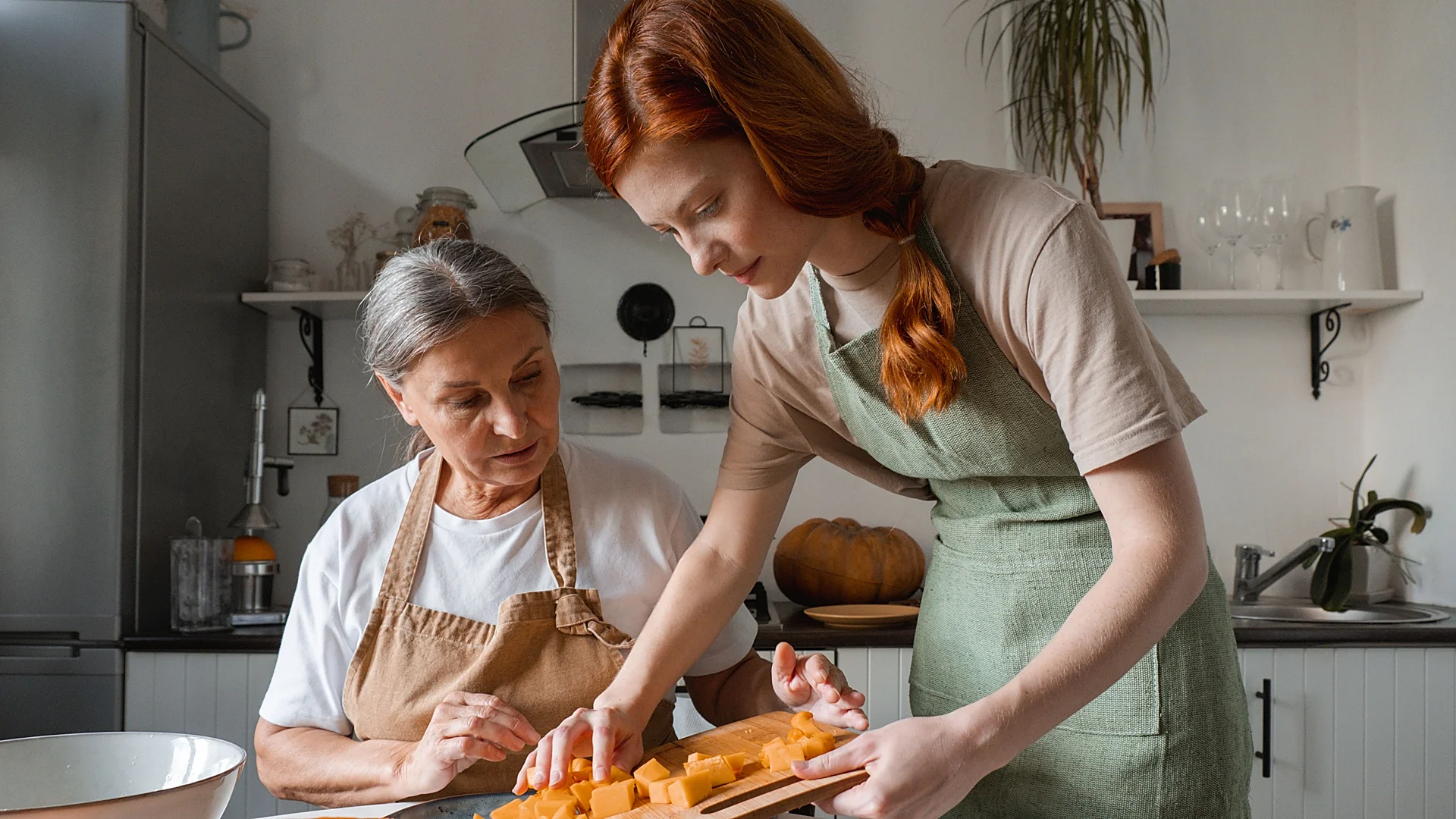
The trick to bringing all of this to the table is Sunday, but not the entire Sunday. With an hour and a half, Amaro explains, it’s enough to leave ready a tray of roasted vegetables, a pot of lentils, a seasonal soup and some cooked brown rice or quinoa. A few boiled eggs and pre-washed vegetables complete the base. What’s best done fresh is the fish and the omelets. “On Sunday you prepare the bases; during the week you just assemble and add the protein,” she summarizes.
An Example of a Week
For breakfast, the doctor proposes natural yogurt with walnuts and pomegranate, whole-grain toast with tomato, olive oil and egg, or oatmeal porridge with baked apple. On Monday, stewed lentils at noon and pumpkin cream with egg for dinner. On Tuesday, brown rice with roasted vegetables and chicken, and baked sardines for supper. On Wednesday, warm chickpea, sweet potato and spinach salad, and a mushroom scramble for the night.
The rest of the week makes use of what is already prepared. On Thursday it’s baked hake with cauliflower, and at night the soup left over from Monday with hummus. On Friday, the lentils are recycled into a warm salad with fresh cheese, and dinner is a spinach omelet. The weekend leaves room for a rice with cuttlefish, a bean stew, or a roasted chicken with sweet potato. Amaro insists that the menu is a guide and portion sizes depend on each person.
Autumn Traps When You Are in a Hurry
Some options that seem healthy aren’t as healthy as they appear. The doctor mentions packaged creams with cream, starches or sunflower oil, and the bagged salad loaded with croutons, bacon and dressings. She also points to “wholemeal” bread where the whole-wheat flour isn’t the first ingredient. And she reminds that juice does not substitute whole fruit, nor is a glass of wine necessary to eat Mediterranean. Her most useful warning: a single cream-based dinner leaves you hungry after two hours if it doesn’t include legumes, eggs, fish or fresh cheese.
Do you really notice? According to Amaro, in two or three weeks many women notice more energy, less bloating and less afternoon anxiety, and they tend to sleep better. In the medium term, the Mediterranean pattern is associated with improvements in cholesterol, glucose and inflammation. Her plan to start is simple: reserve Sunday for an hour and a half to roast pumpkin, set lentils on the stove and leave a cream ready. By Wednesday night, she asserts, the feeling when opening the fridge will be one of relief.