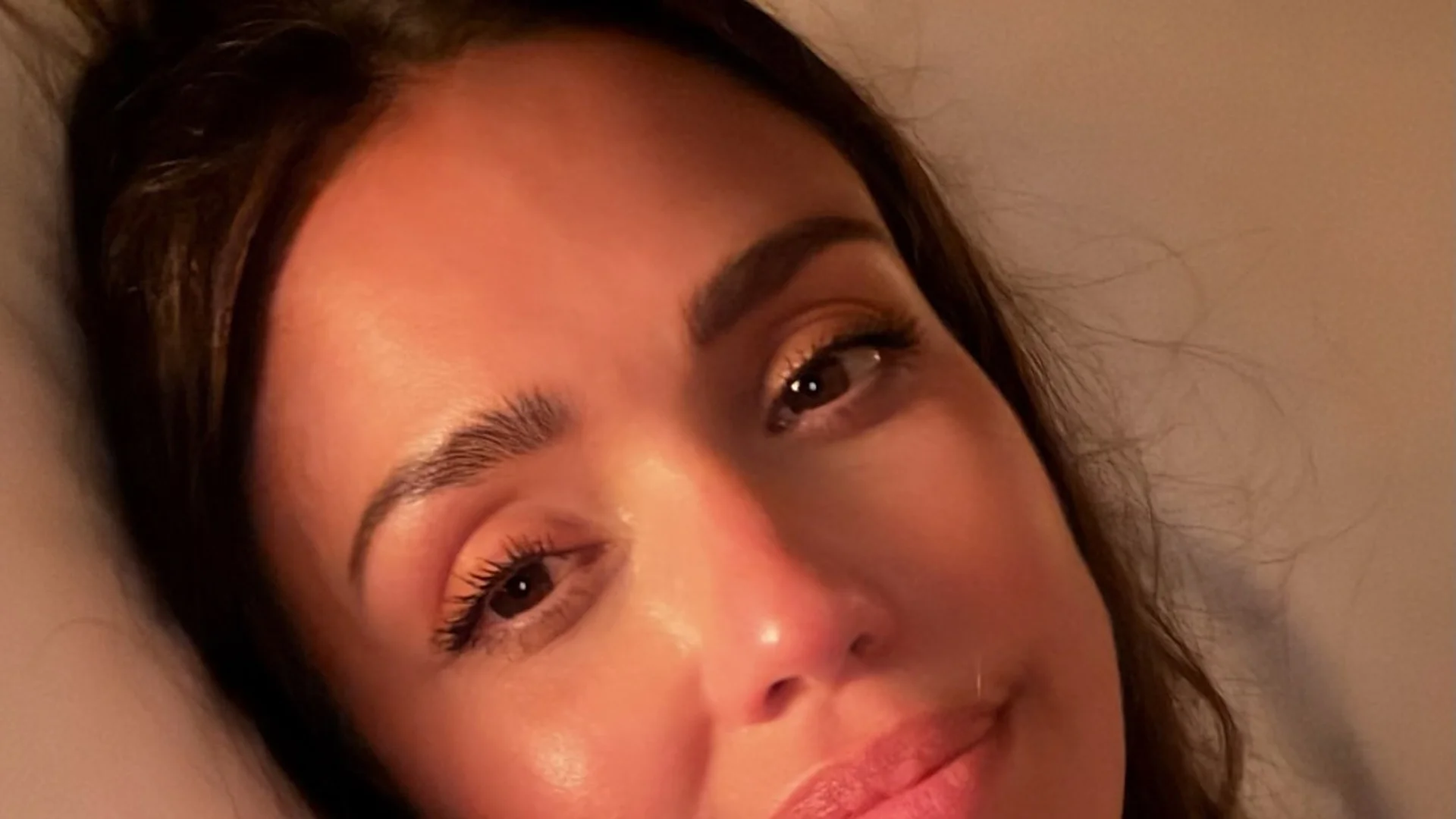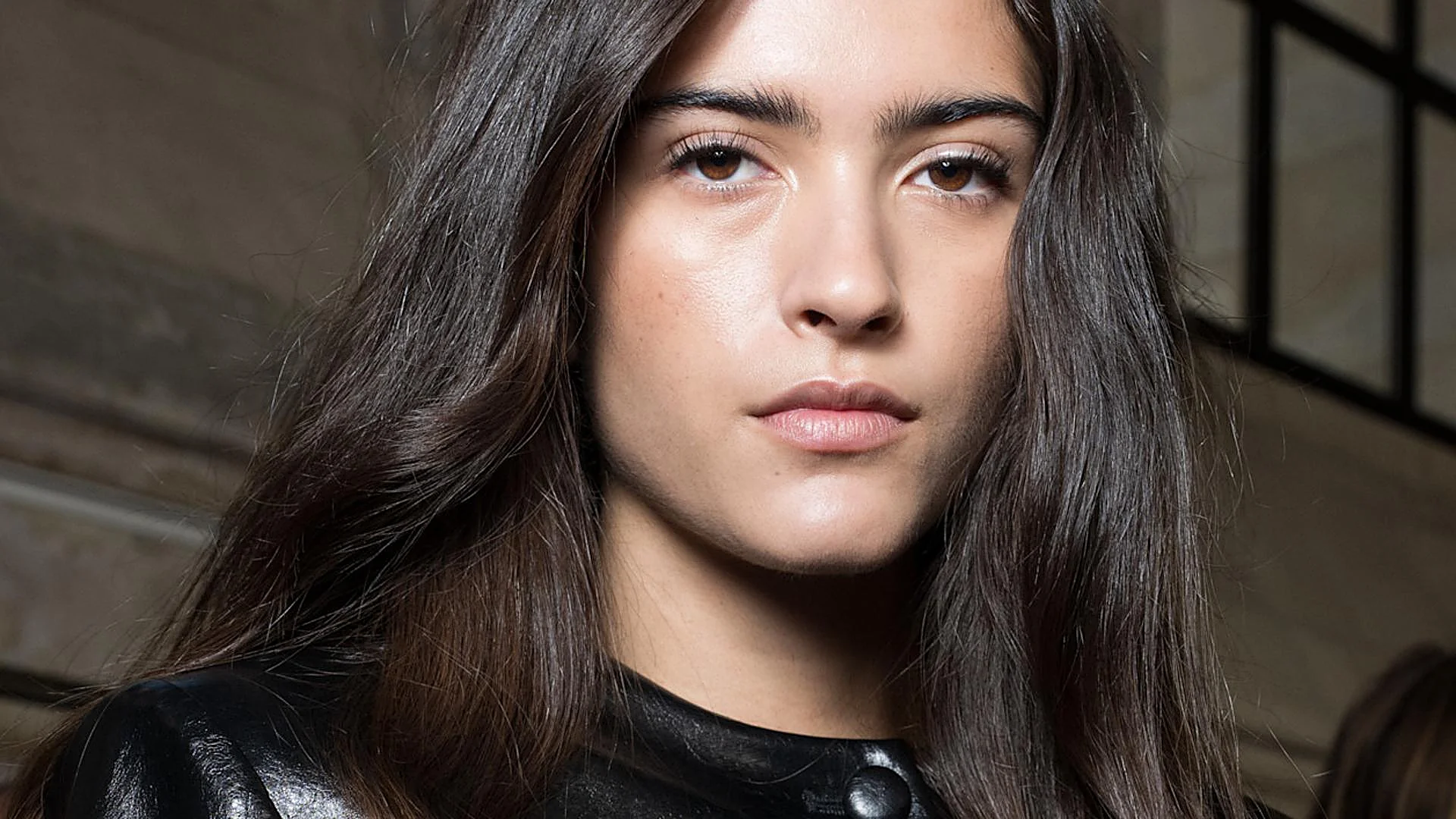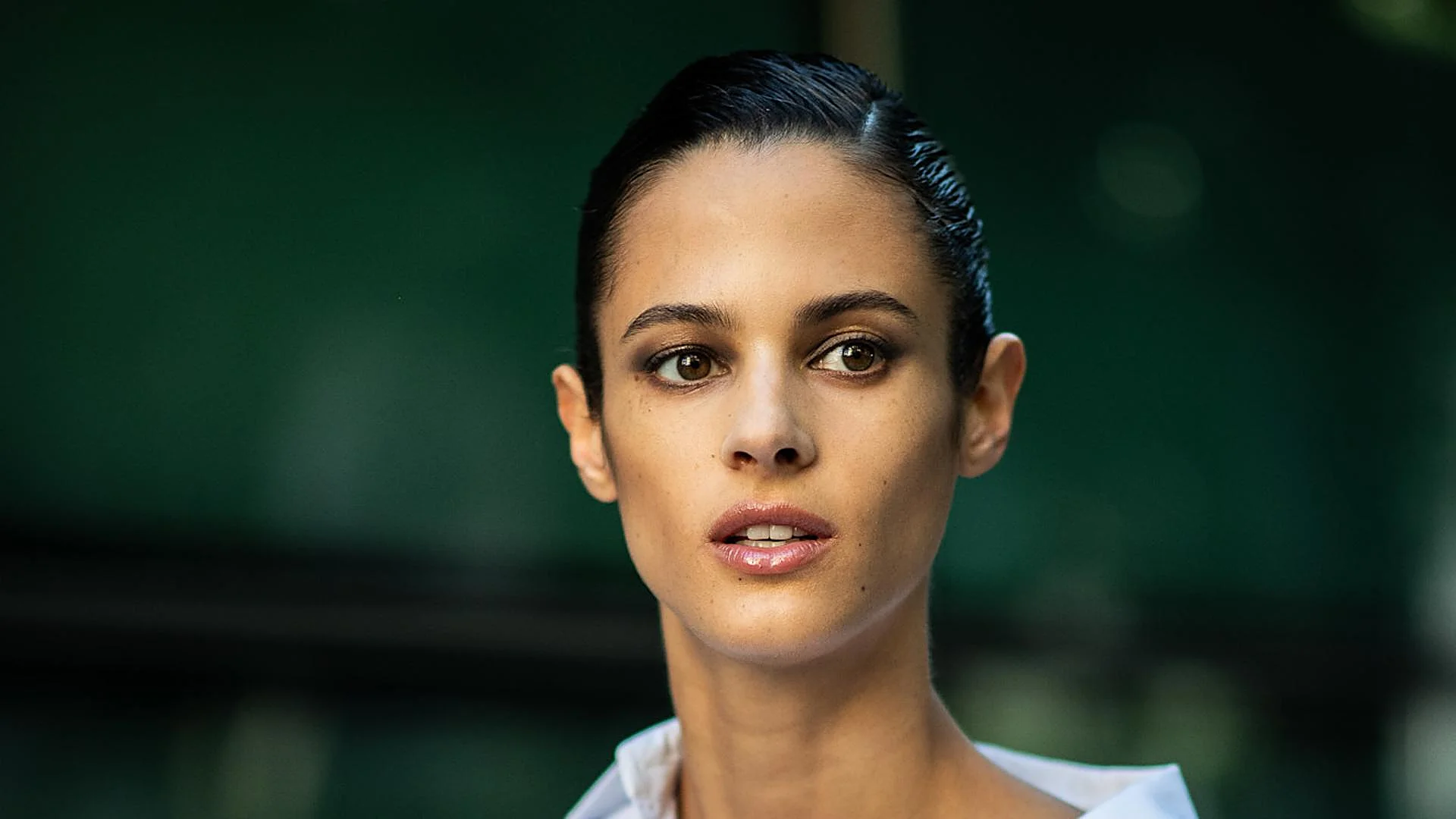
For years we have heard that, after a certain age, we should change the way we do our makeup. That bases that are too full-coverage accentuate wrinkles, that powders age, that shimmery shadows stop flattering, or that intense lipsticks should be replaced by more discreet tones. A set of rules that many women begin to question even before turning 40 and that, however, do not always make much sense.
The reality is that the skin changes with time, but that does not mean there is a specific age after which we should renounce certain products or techniques. Is it necessary to makeup differently after 35 or have we turned a matter of preferences and needs into an aesthetic rule? To resolve this, we spoke with Paula Aroca, a professional makeup artist and spokesperson for Druni, and Cristina G. Nuevo, a professional makeup artist and spokesperson for Planet Skin, who agree on something fundamental: age should not determine how we do our makeup.
What really changes in the skin after 35
«From 35 onward we can start to notice a little less luminosity, more dehydration or small lines that previously went unnoticed. In makeup terms, this translates mainly into paying more attention to skin preparation and working with thinner layers. Not because you have to wear less makeup, but because it’s important that the product blends better with the skin», explains Paula Aroca.
Cristina G. Nuevo introduces another important aspect: products that used to work for us may stop delivering the same result. A foundation that years ago blended perfectly can start to feel too dry or to emphasize certain areas of the face. Therefore, the expert recommends paying special attention to formulas and choosing more flexible and comfortable textures.
«I wouldn’t put an age on it. There are 30-year-old skins that are very dry and 50-year-old skins that are wonderful and luminous. I find it much more useful to observe how the skin looks that day and adapt the makeup to that. Age guides, but should not become a rule», says the Druni spokesperson.
The mistake of thinking that less makeup always flatters more
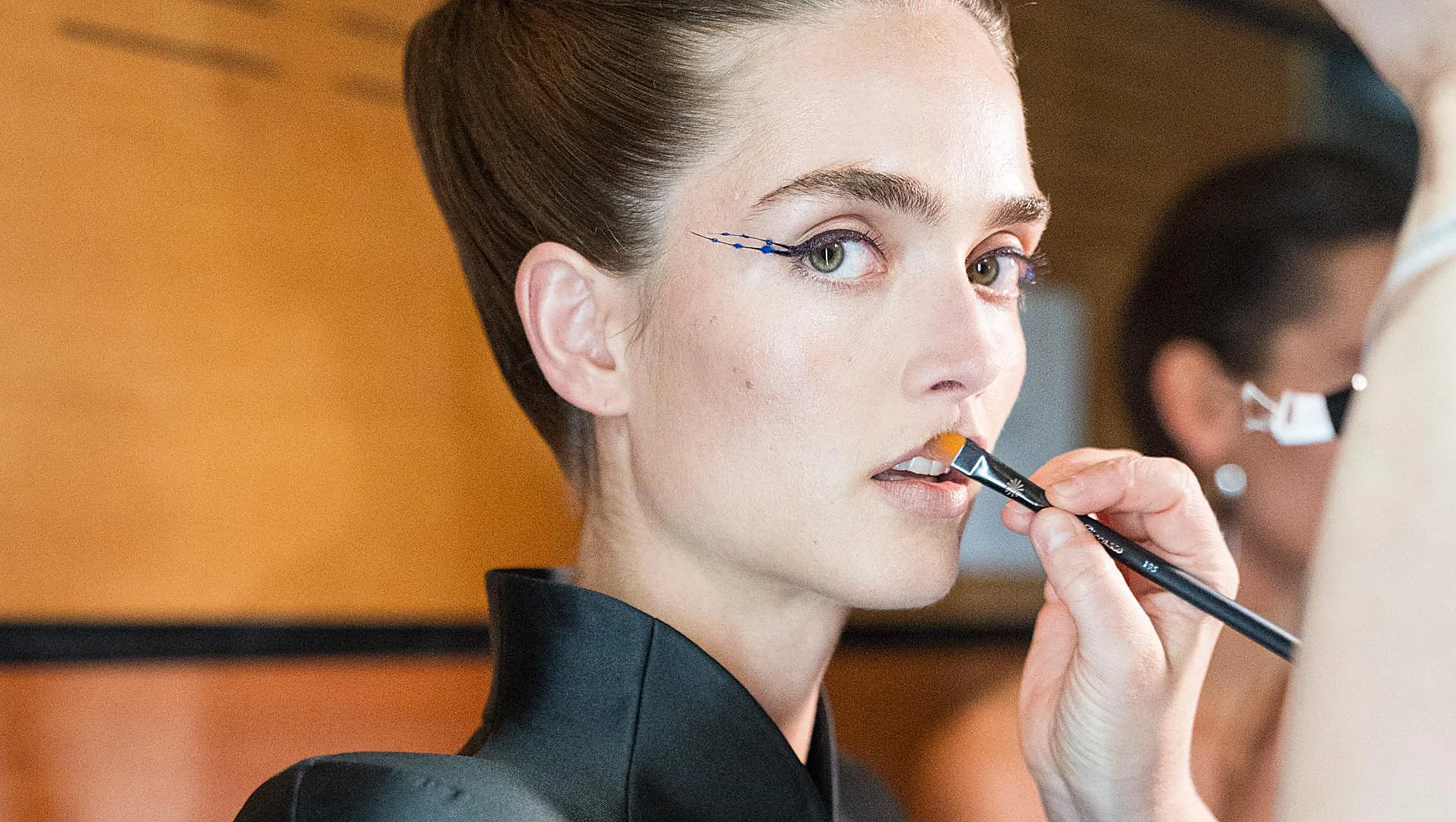
«I think it’s been simplified too much. It’s not a matter of using less makeup, but of applying it better. You can wear high coverage and it can look gorgeous if it’s well blended. What tends to harden the face is piling on product where it isn’t really needed», explains Paula Aroca.
The key, therefore, isn’t necessarily in replacing our favorite foundation with a lighter one, but in learning to distribute it correctly. Instead of applying a uniform and abundant layer over the entire face, it can be more flattering to work by zones and build the coverage only where it’s needed.
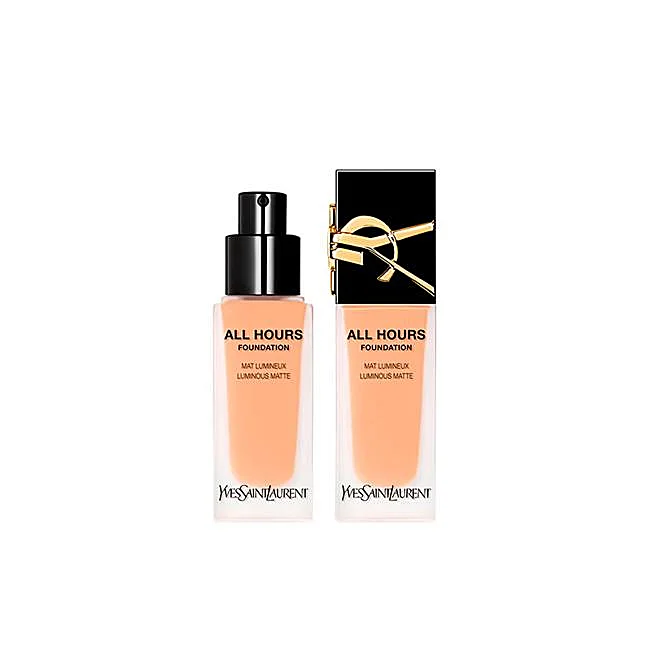
Base de maquillaje All Hours de Yves Saint Laurent.
Cristina G. Nuevo agrees that overly dense layers can work against us. When foundation, concealer, and powders accumulate, the product can end up highlighting precisely those lines or irregularities we were trying to conceal. She also recommends being careful with excessively metallic highlighters in textured areas, because they can accentuate them.
This doesn’t mean that compact powders or high-coverage foundations are forbidden. In fact, both experts argue they can still be part of any routine. The Planet Skin spokesperson recommends using very fine powders only in areas where makeup tends to move, such as the forehead or the nose, rather than sealing the entire face indiscriminately.
Should we change products or learn to use them better?
«Many times you don’t need to renew the entire kit, but to change how you use it. Applying less, blending better, and working by zones can completely transform a product you already had», she says.
Cristina G. Nuevo, for her part, considers that technique and textures should be reviewed practically at the same time. If the skin is drier, a too rigid formula can complicate the result even when applied correctly.
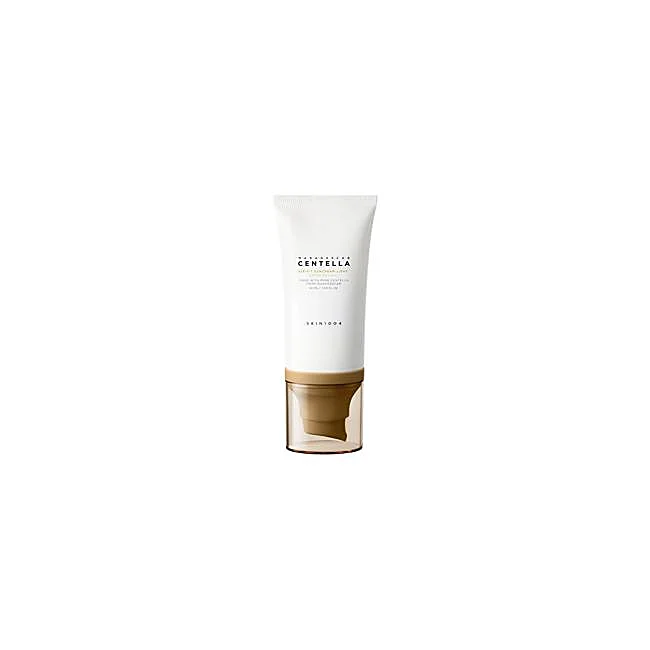
Protector solar Madagascar Centella Air-fit Suncream de SKIN1004.
What both make clear is that there is no universal list of products we should abandon as we age. A matte foundation can work perfectly on certain skin types, just as a luminous formula does not have to be the best choice for everyone.
Neither eyeliner nor red lips have an expiry date
«The idea that at a certain age you can’t wear eyeliner, shimmery shadows, or a bold lip is completely outdated to me. It all depends on how you adapt it. A subtle gloss on the lid can bring a lot of light and a red lipstick can look incredible at any age», defends Paula Aroca.
Cristina G. Nuevo also questions another widespread belief: the idea that eyebrows should be made increasingly thinner. According to her, well-designed and lightly defined eyebrows can provide structure to the face and visually lift the gaze.
In fact, giving up color can produce the opposite result to what we seek. The Planet Skin spokesperson warns that some women start using tones that are excessively neutral or matte thinking they are more appropriate, when a touch of blush or a lip with more intensity can bring freshness and luminosity.
Makeup that tries to erase years can have the opposite effect
«For me, flattering makeup doesn’t try to erase age; it tries to make the skin look rested, luminous and beautiful», explains Paula Aroca.
Cristina G. Nuevo shares this view and proposes replacing the idea of rejuvenation with that of bringing freshness. A skin with a comfortable finish, a well-placed blush, or a defined gaze can transform the look of the face without needing to hide every sign of expression.
In the end, the two makeup artists arrive at a very similar conclusion. Reaching 35, 40 or 50 years should not obligate us to abandon our favorite techniques, but it can be a good moment to observe whether the products still meet the needs of our skin.
«My only rule would be not to wear makeup following rules of age. Observe the skin, use the right amount, and keep what truly flatters. The rest can be adapted», concludes Paula Aroca.