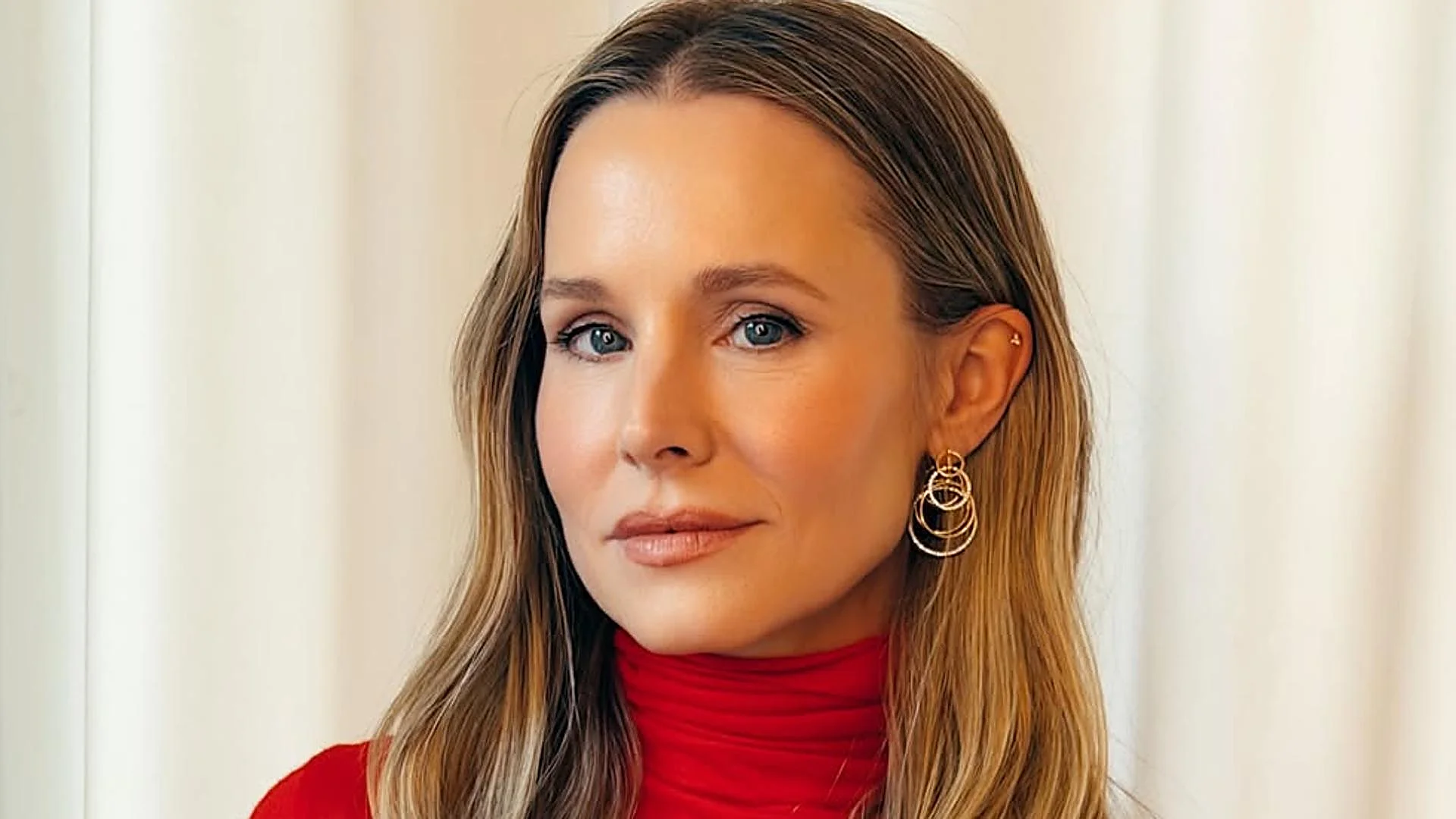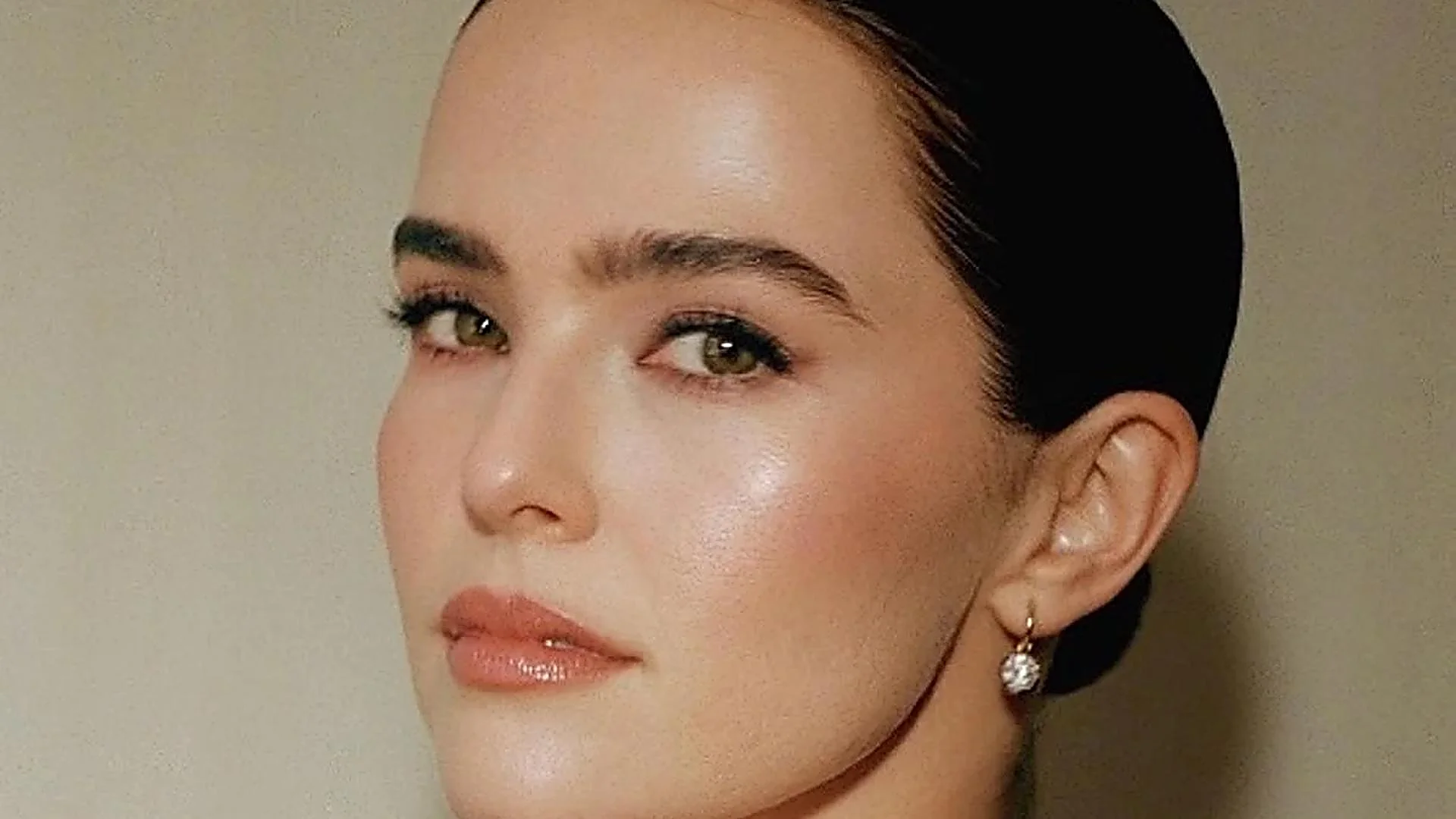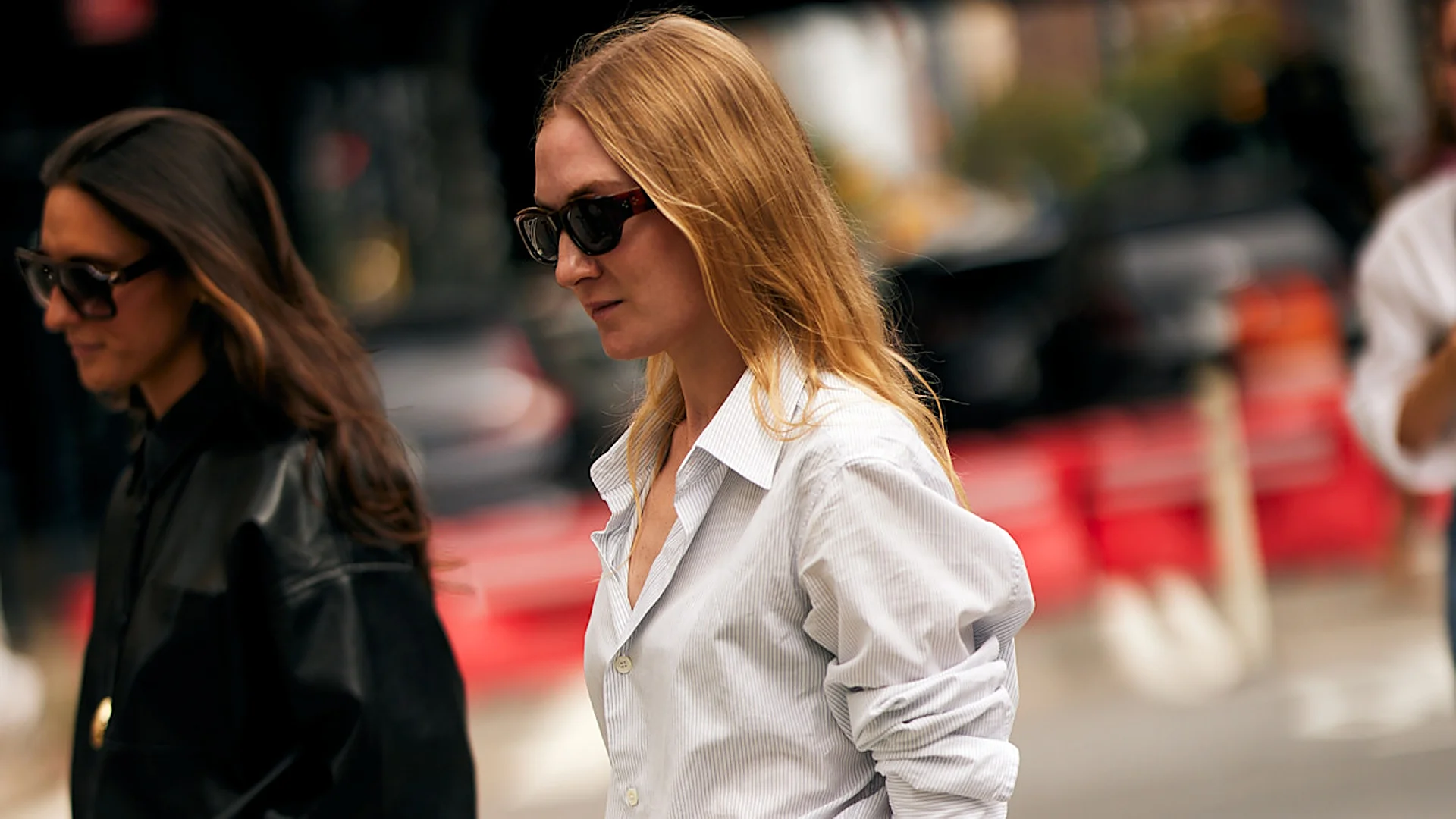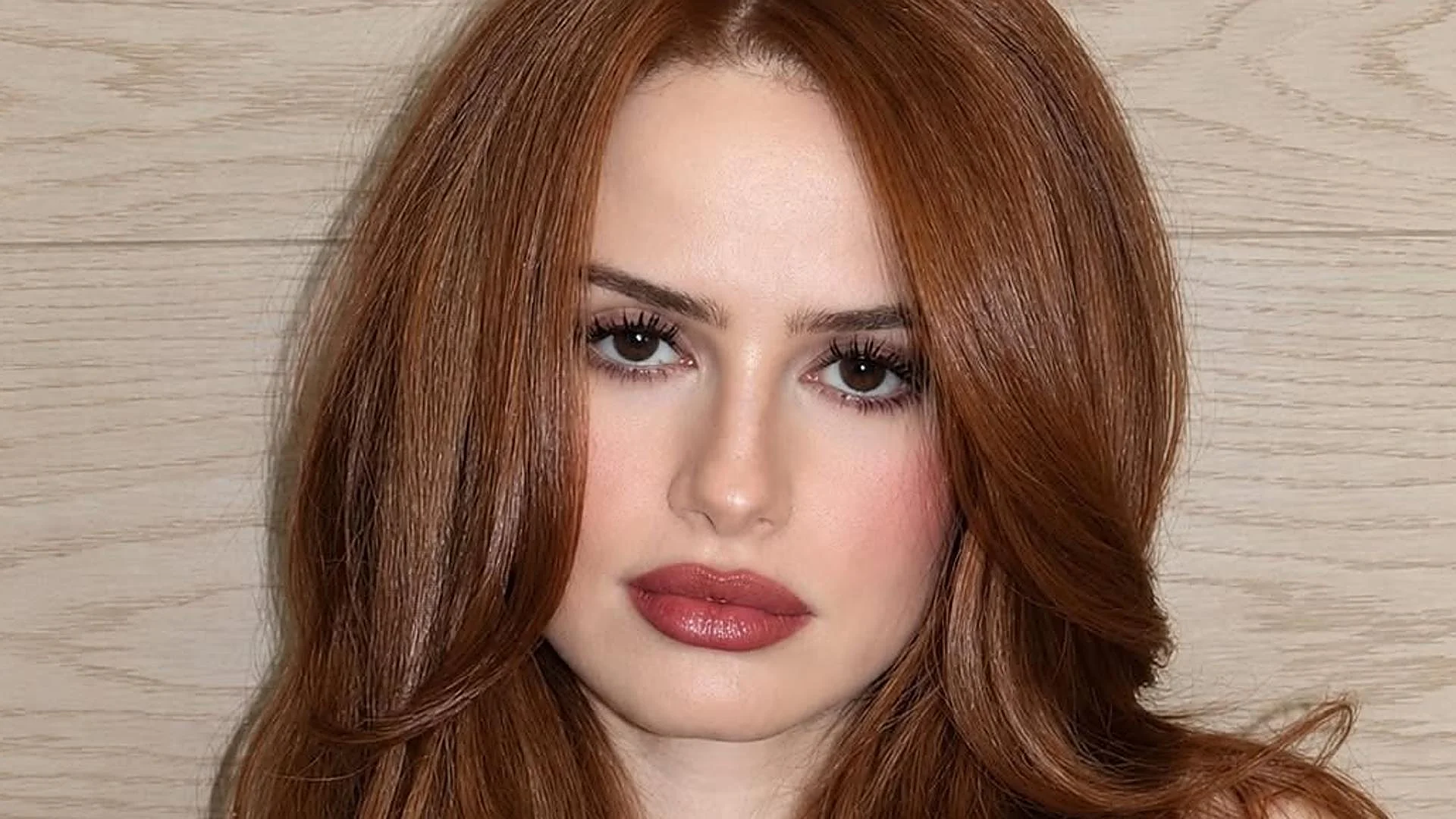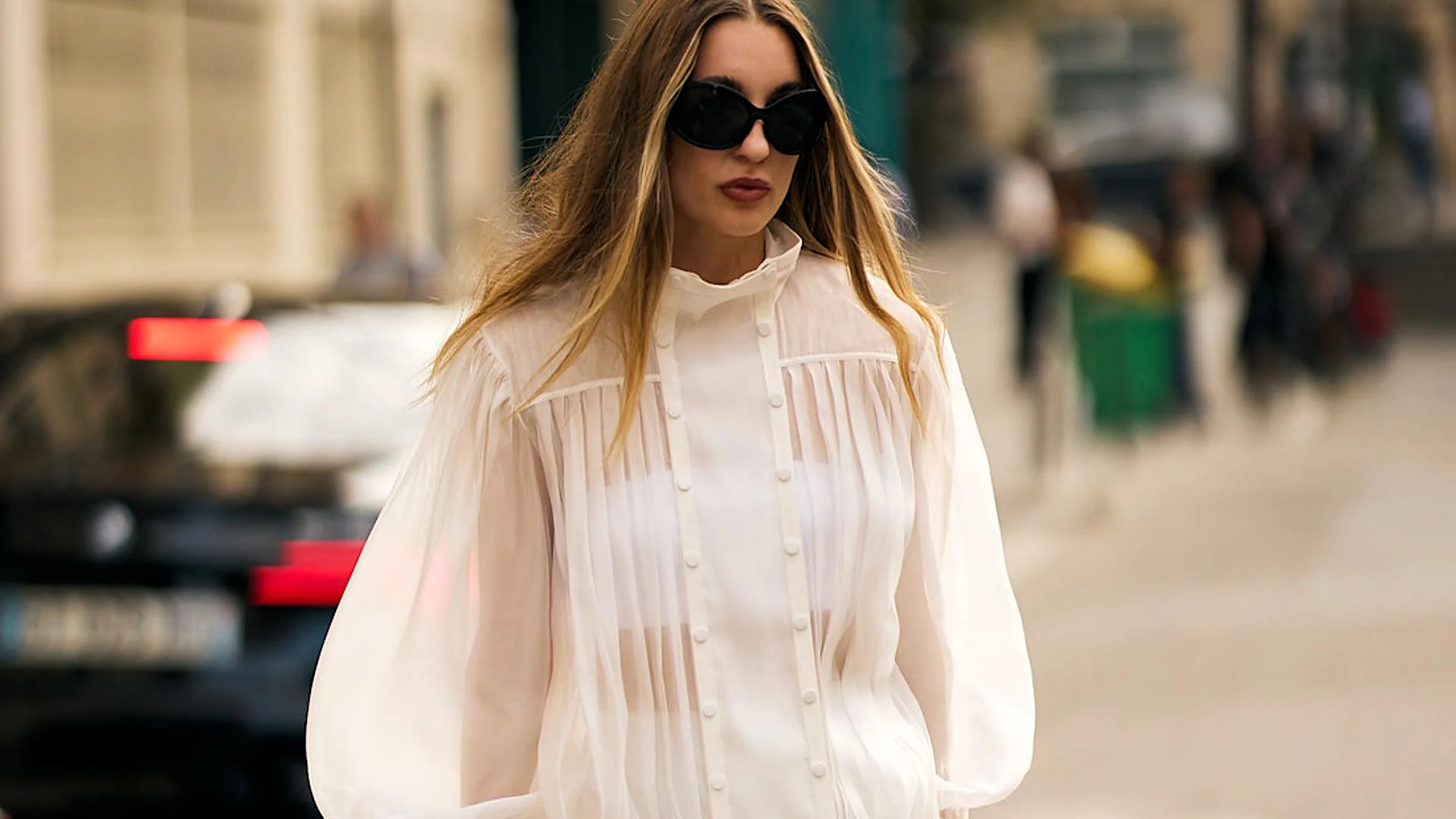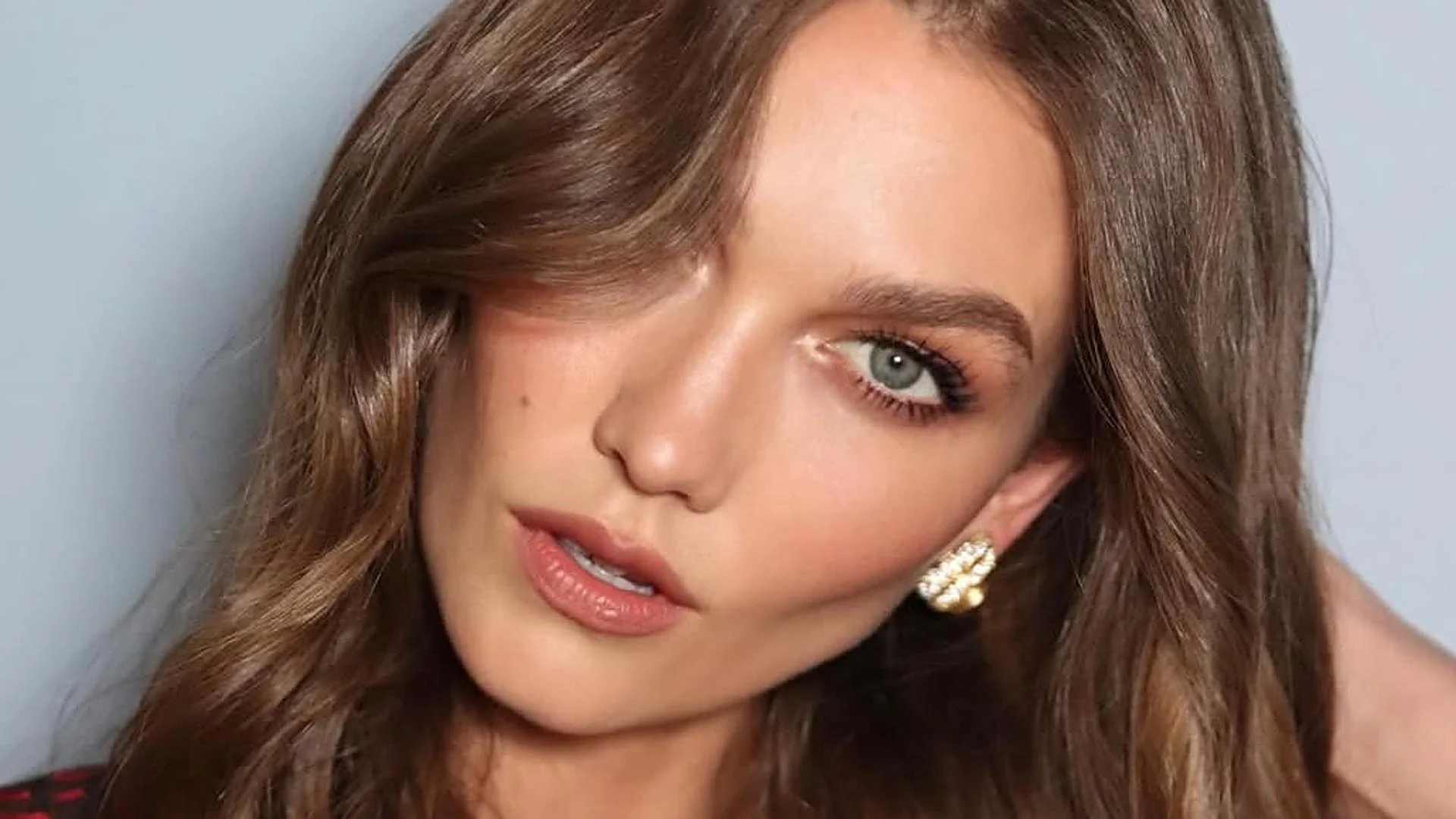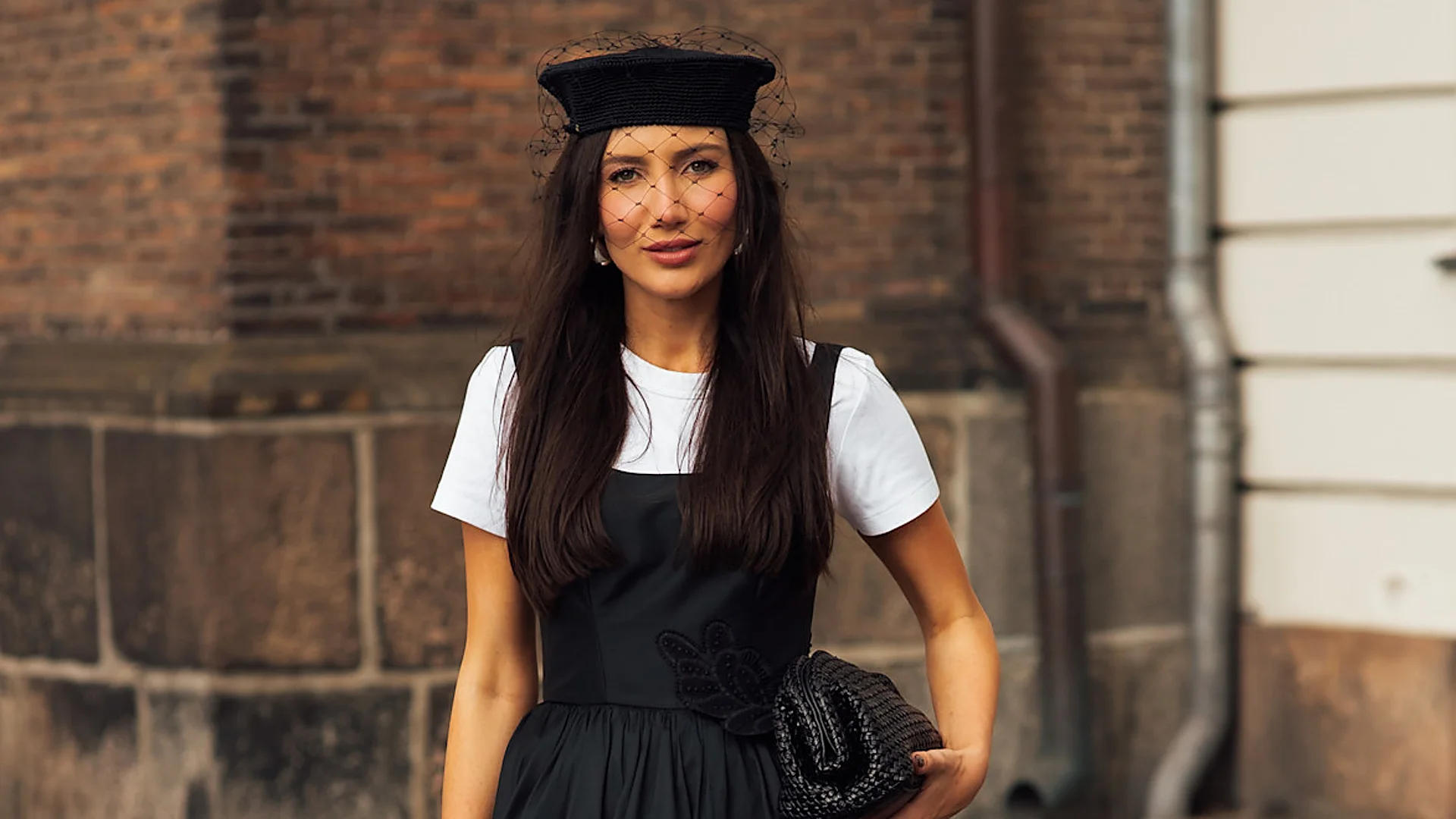
The sun-kissed skin effect is one of the favorites when it comes to makeup, because with it we achieve a complexion with a healthy look and a subtle touch of color. That said, achieving this effect does not consist of covering the face with darker makeup tones, one of the most common mistakes is trying to change the tone of the entire face. If we go overboard, the result can be too uniform, orange, and unnatural, exactly the opposite of that luminous and healthy finish we are after.
So, how can we maximize our tan? The key is to recreate in makeup the way the sun actually hits the face: adding warmth at certain points, restoring the volumes, and letting the skin retain some translucency. To achieve this, the bronzer, blush, and highlighter become allies, but how we apply them will make the difference in the result since what we want is to look sun-kissed without an artificial tone.
The bronzed effect is not about raising the tone of our face
If we want to maintain our tan, the first rule to achieve a natural result is not to try to transform the skin tone. The makeup artist Antonio Romero explains that it’s essential “not to try to raise many tones at once with foundation” which is one of the mistakes made most often when applying makeup. Therefore, the professional recommends “use a foundation that’s as close to our skin tone as possible. If it’s a light foundation and doesn’t have too much coverage, we can go up one or two tones, but if we use a high-coverage foundation, the change will be very noticeable and the result may look very artificial.”
Therefore, product selection is also important; for Romero “the key is to apply afterwards a product in cream or powder that allows us to raise the tone strategically, at the points where the sun naturally hits the most.” These would be “cheekbones, temples, and the bridge of the nose.” For her, makeup artist Pilar Vilas believes it’s important “to work like a veil, that is, always achieving some transparency, as with natural sun-kissed skin that only touches the outermost layers of the skin, giving warmth.”
Choosing our shade
When the skin is tanned, our perception of color changes and we must also adapt the products we use. Bronzers are usually associated with warm tones, but there is no single bronzed color that works for all skin tones. The makeup artist Pilar Vilas explains that, if we have a variable tone, “it should resemble the natural tan we obtain or already have on the body. And the undertone likewise: although bronzers tend to be warm, there is now a wide range of pink/rosy, olive, etc.” In the case of non-tanning skin, the professional prefers “bronzer with a pink undertone or beige, but it always depends on the overall color harmony found in our skin.” For freckles, “a warmer bronzer will work, and olive or greenish tones are common for Mediterranean skin.”
On reddish tones she warns Antonio Romero, the reason being that “a touch of red in the blush can be very pretty to achieve that «sunburn» effect, but always in moderation.” The reason is that there is a risk it may look like we really burned ourselves or look like the known effect of blush blindness.
Bronzer, blush, and highlighter application tips
Extending our tan involves achieving the known sun-kissed skin effect. Antonio Romero opts for “applying the bronzer first on the cheekbone, taking care not to bring it too far toward the center of the face to avoid flattening our features.” The professional suggests “emphasize the cheekbone bone, near the hairline.” Pilar Vilas warns that “we think we need to use the entire product combination at once, but it’s not always necessary.” We need “to bring warmth to the face, helping us sculpt because we naturally regain volume.” Therefore, the expert often omits contouring while prioritizing bronzer.
In the case of the highlighter, Romero would apply it “on the highest area of the cheekbone, blending toward the apples to provide that glow.” While the blush “is placed between the bronzer and the highlighter, integrating the three products.” The expert recommends “applying it in a fairly horizontal manner, crossing slightly over the nose.” For Pilar Vilas, she believes that blush “can work as a transition to give vitality to the skin” and, in both cases, we can choose between more luminous or more matte finishes, according to our preference. She finishes the makeup look “by unifying blush and bronzer with a finishing powder over both, slightly satin to create volume and light.” That said, we cannot forget that bronzer and contour are not the same. Vilas explains that “contours create shadows and therefore are grayish. Bronzers give warmth and mimic the effect of the sun.”
Formats and how to apply bronzer
Regarding textures, there is no single winning formula. In Romero’s view, he selects “cream products because they provide a more natural finish, melt better with the rest of the products we have used, and make the skin texture look more real.” While Vilas believes they are “totally adaptable to our personal preferences. In general, cream formulas blend better with the skin and powders are more intuitive for quick diffusing.” If we want to extend duration and intensity, she opts for “combining a couple of them (cream + powder).”
If we talk about professional tricks, paradoxically, the secret to achieving a more bronzed face may lie in using less makeup. “One of the most common mistakes is using a foundation shade that is too high and trying to lift the tone of the entire face,” says Romero, who also recommends “focusing only on specific points.” For Pilar Vilas, “it’s interesting to bronze before applying foundation” and she would do it with “a liquid or cream bronzer, creating a layer underneath at key points (top of the forehead, bridge of the nose, top of the cheekbone).” Then we would apply a lightweight coverage foundation and “re-touch the bronzer where needed.” The expert concludes that “she uses different tones of the same foundation, usually one warmer for bronzing and another to match the jawline; she then blends them together.”
Bronzers to maximize our tan
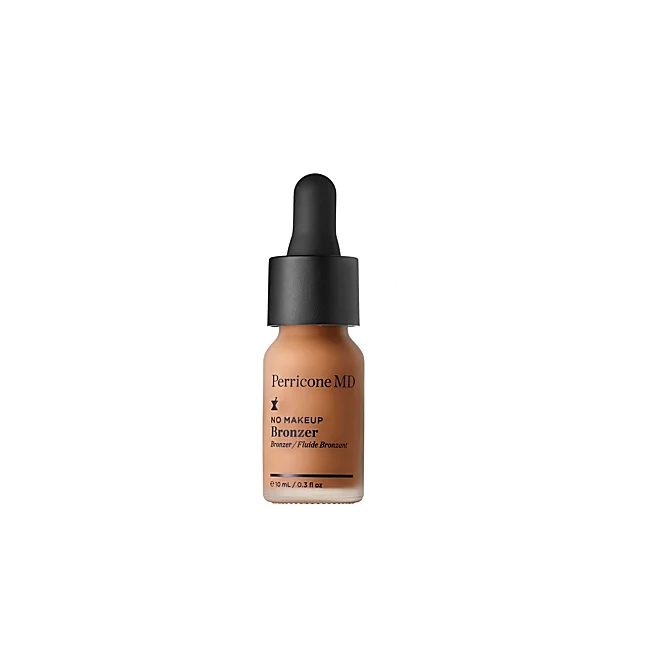
No Makeup Bronzer by Perricone MD.
Perricone MD
No makeup bronzer is a liquid bronzer with a light texture that is easy to use. The formula contains vitamin C ester to give luminosity to the area. (€41)
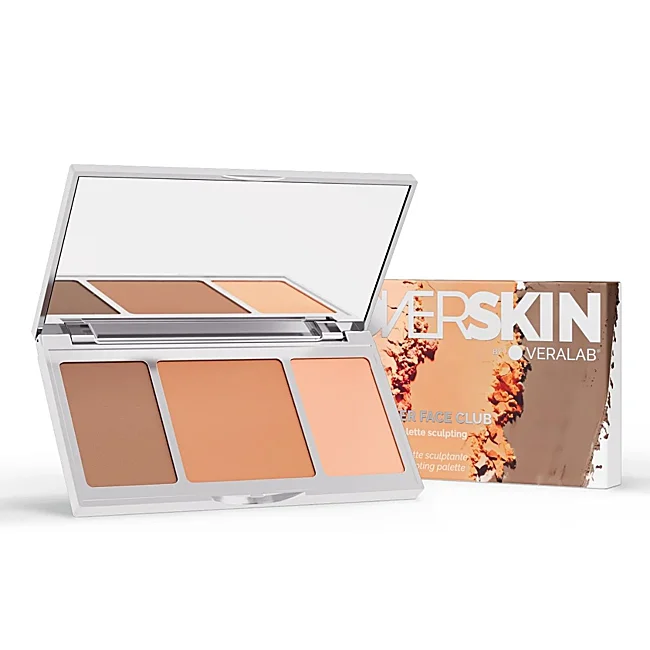
Hyper Face Club by Overskin.
Overskin
Hyper Face Club is a sculpting palette for the face, achieving a natural finish and a modular result. It includes three products: bronzer, contour, and highlighter, making it a highly versatile product. (€28)
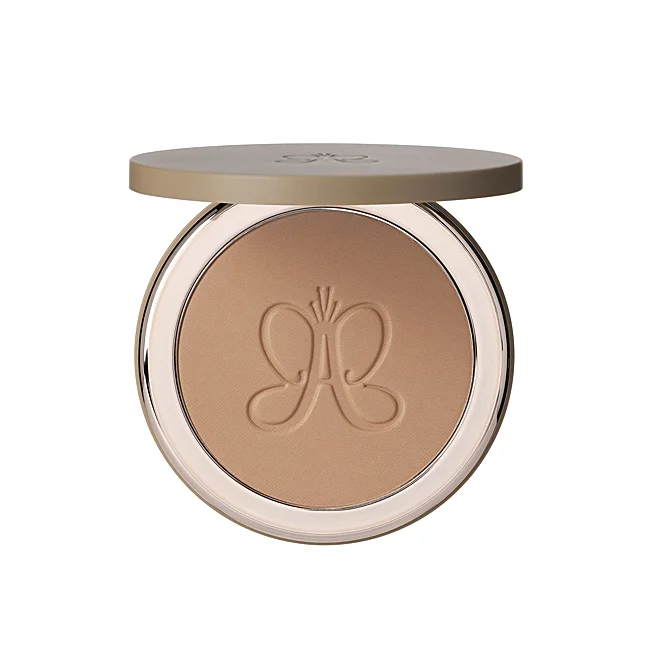
Smooth Blur by Anastasia Beverly Hills.
Anastasia Beverly Hills
With a hybrid formula between cream and powder, Smooth Blur is a product to achieve a soft and healthy-looking tan. To achieve a sun-kissed effect, it is recommended to apply it on the early zones of the face. (€47.50)
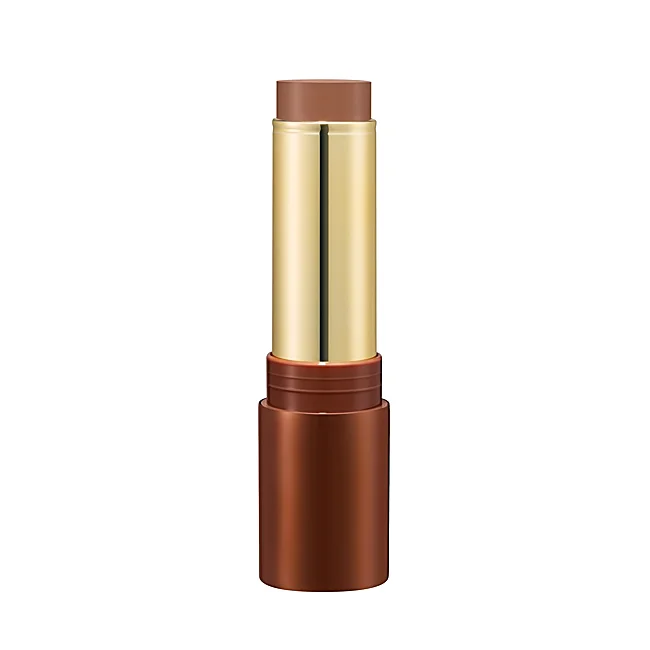
Chocolate Soleil Sculpting & Bronzing Stick by Too Faced.
Too Faced
Chocolate Soleil Sculpting & Bronzing Stick is a multifunctional product with a melting texture that allows you to modulate the intensity of the finish. It adds warmth to the area of the face where it is applied. (Available at Sephora, €34)
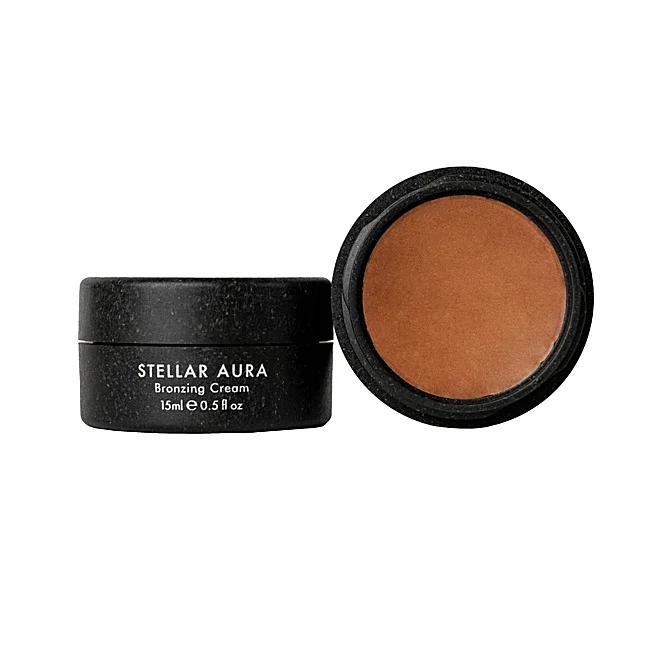
Stellar Aura by Twelve Beauty.
Twelve Beauty
Stellar Aura is a product that gives the skin a bronzed look while caring for it thanks to its formulation. It contains vitamin E, hyaluronic acid, or plant-derived squalane and achieves radiant-looking skin. (€39)
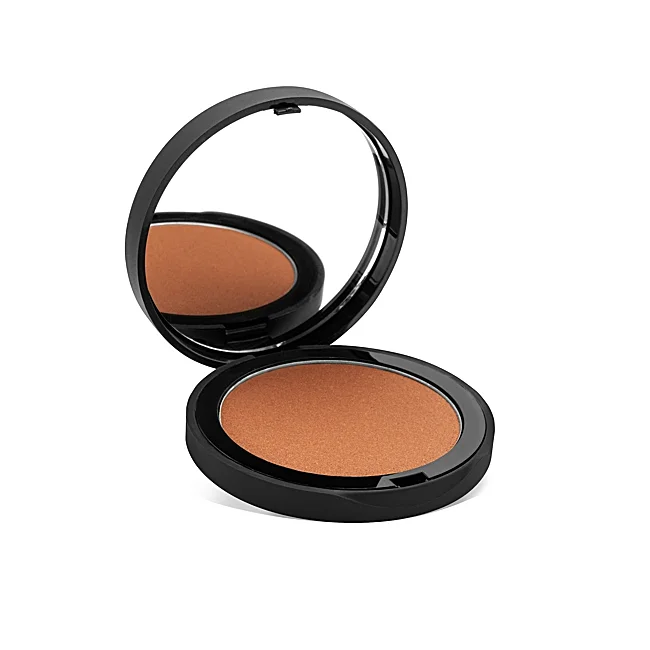
Mass Colour Earth Minerals by Massada.
Massada
Mass Colour Earth Minerals is a bronzer powder that extends the tan, giving the face a healthy look while delivering antioxidant and nourishing actives to the skin. (€43.80)