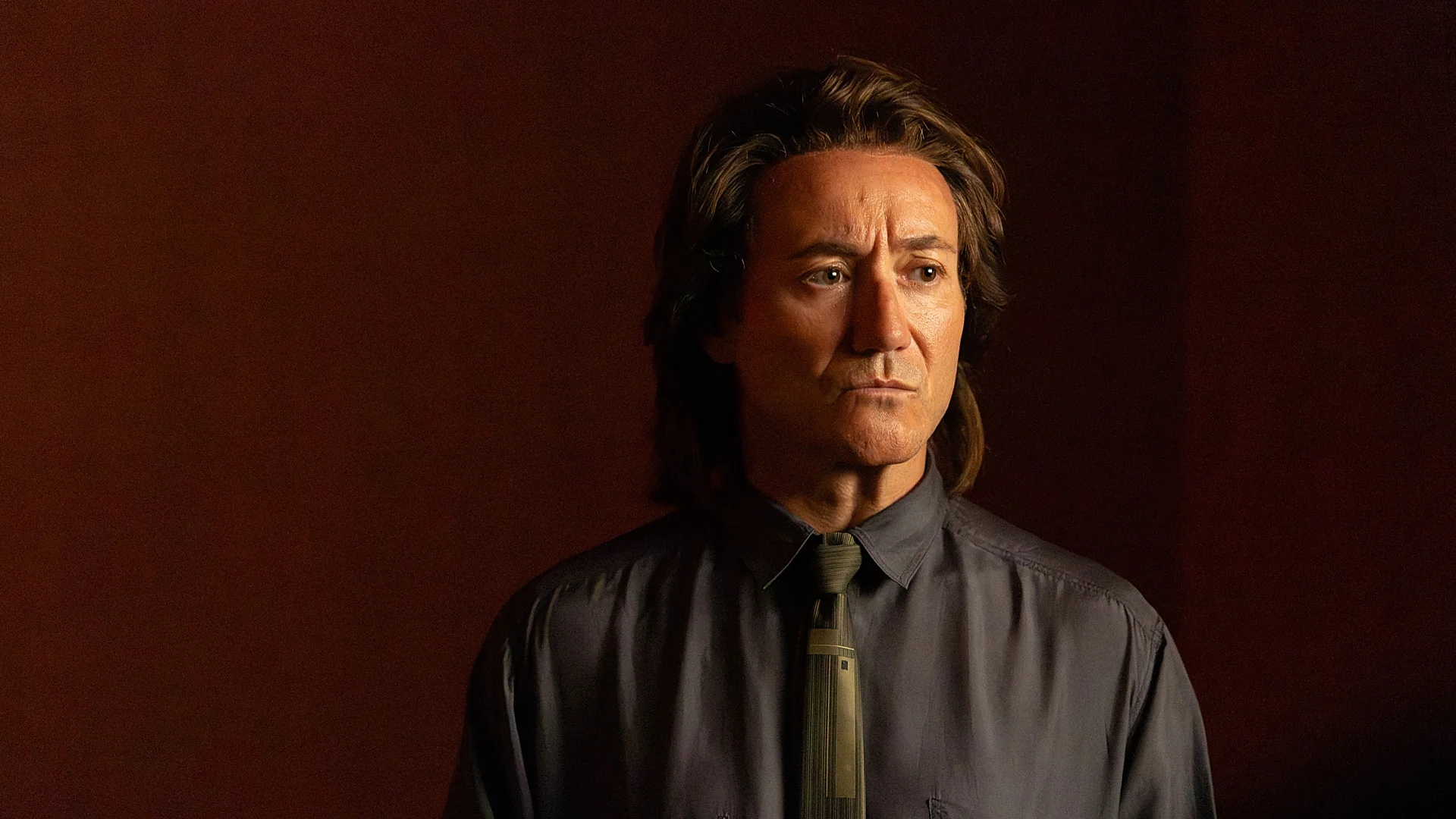
“Literature as refuge, yes, always, but also as a guiding beacon of realities.” The writer and journalist Inés Martín Rodrigo is quite clear that literature with romance between men is a form of freedom, but also a refuge of escapism that allows dreaming. For years, romance between homosexual couples occupied a minimal space in the publishing market. However, now it seems to be quite the opposite, as if it were a triumph.
We could say that this type of novel has been treated as a genre for a minority, but in recent years the opposite has happened: it has a much wider audience, almost turned into a social phenomenon. This has also ensured that these stories no longer form part of a marginal genre, but queer romance is stronger than ever. So, why do these stories connect so well with this kind of readers?
Within the genre, love remains one of the fundamental pillars when narrating these stories, regardless of the protagonists’ sexual orientation. In fact, queer novels retain some of the classic tropes of the romance genre: enemies who fall in love, friends to lovers, impossible relationships, second chances, among others. This makes the reader feel identified, even if it doesn’t have to be because of the experiences surrounding the characters, but because they can find some similarities.
We must also note that the paradigm has shifted: no longer are we only shown queer male characters who have a conflict rooted in suffering and discrimination, but the stories speak of desire, humor, sex, and happiness. Although there are novels like A Little Life, by Hanya Yanagihara, that show that constant pessimism within society, both are different ways of building an engaging universe.
The novels that explain today’s queer romance
Red, White & Royal Blue, by Casey McQuiston, is perhaps one of the most interesting cultural phenomena in queer fiction, especially because it explores the romance between the son of the American president and a British crown prince. A novel that was also adapted for screen and was considered a success by Amazon Prime Video. Just like Boyfriend Material, by Alexis Hall, where the device of the fake boyfriend is taken into a gay romantic comedy.
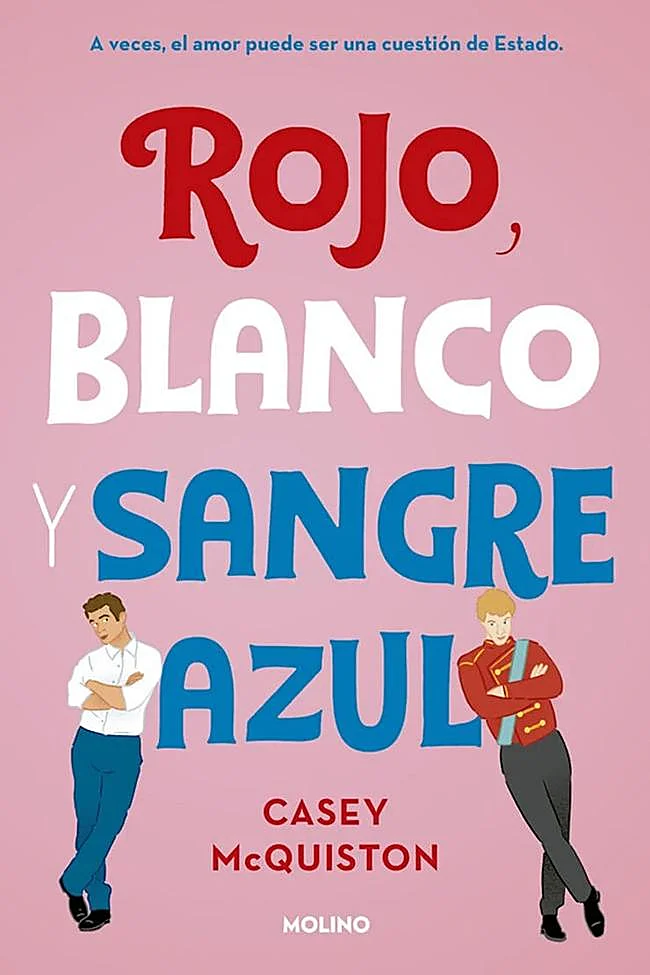
Rojo, blanco y sangre azul, de Casey McQuiston.
In reality, all these codes manage to translate the classic romantic comedy to gay protagonists who manage to captivate the reader with a new perspective. Although there are also the tropes of first times in high school and that first love, as in the case of Heartstopper, by Alice Oseman. Here tenderness, friendship, and self-discovery are explored, where the importance lies in happiness, but also in the everyday and hope.

Heartstopper, de Alice Oseman.
More Than Rivals, by Rachel Reid, has been another of the major international phenomena that has triumphed thanks to its Canadian series, where sport romance makes sense thanks to hockey and pairing two rivals in this minority sport. And yes, we see a full-fledged enemies-to-lovers, just as in the novel For the Fans, by Nyla K., where two half-siblings must do everything possible to get out of a financial jam. Do you get it?
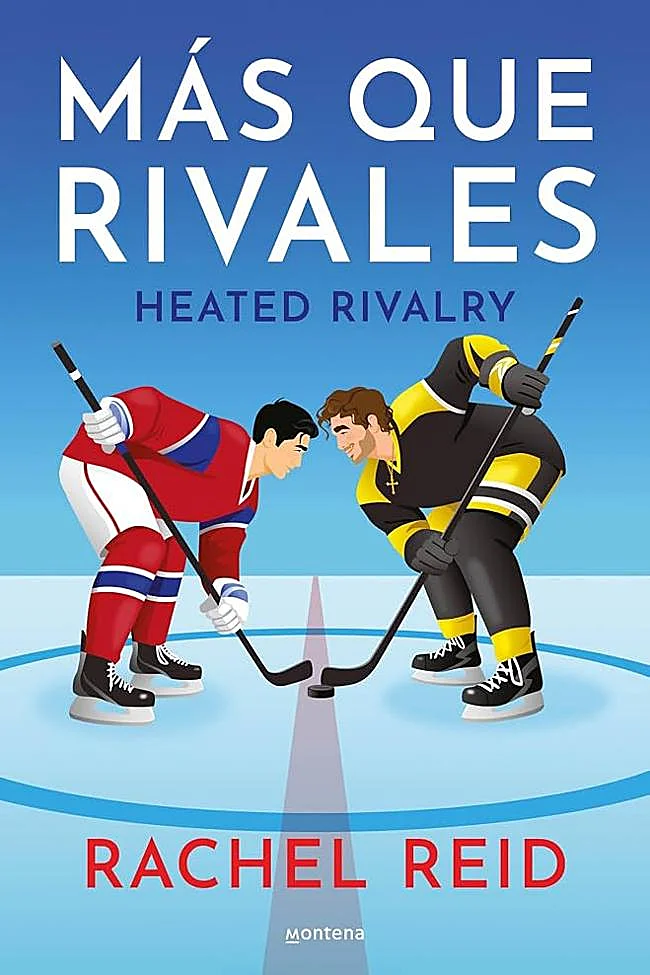
Más que rivales, de Rachel Reid.
De hecho, este género también traslada estas historias a nuevos universos, como la mitología y la ficción histórica, algo que ocurre en The Song of Achilles, by Madeline Miller, where the relationship between Achilles and Patroclus unfolds with a different perspective, but full of desire and impossibility due to a tragic end. Gay romance does not conform to a single formula, but adapts to any possible narrative form. That is the key to that resounding success.
The luxury of being able to tell any story
The big change is that stories featuring queer and homosexual people no longer need to justify themselves merely because there is a relationship between two men; instead, the conflict can lie in the characters’ personality and the circumstances, not in the sexual orientation itself. The romance genre is a space for fantasy, but also for desire and escapism, like any other type of narrative. The importance of all this is that more and more readers want to be part of those stories.
And no, queer romance has not conquered readers by representing a different reality, but rather by having irresistible ingredients that make any romantic story great. For that reason, the evolution from niche novels to becoming a publishing phenomenon has been able to generate cultural conversations, sales, and communities. So we must ask ourselves: are we witnessing the definitive triumph of queer romance, or a new way of understanding which stories can occupy the center of romantic literature?