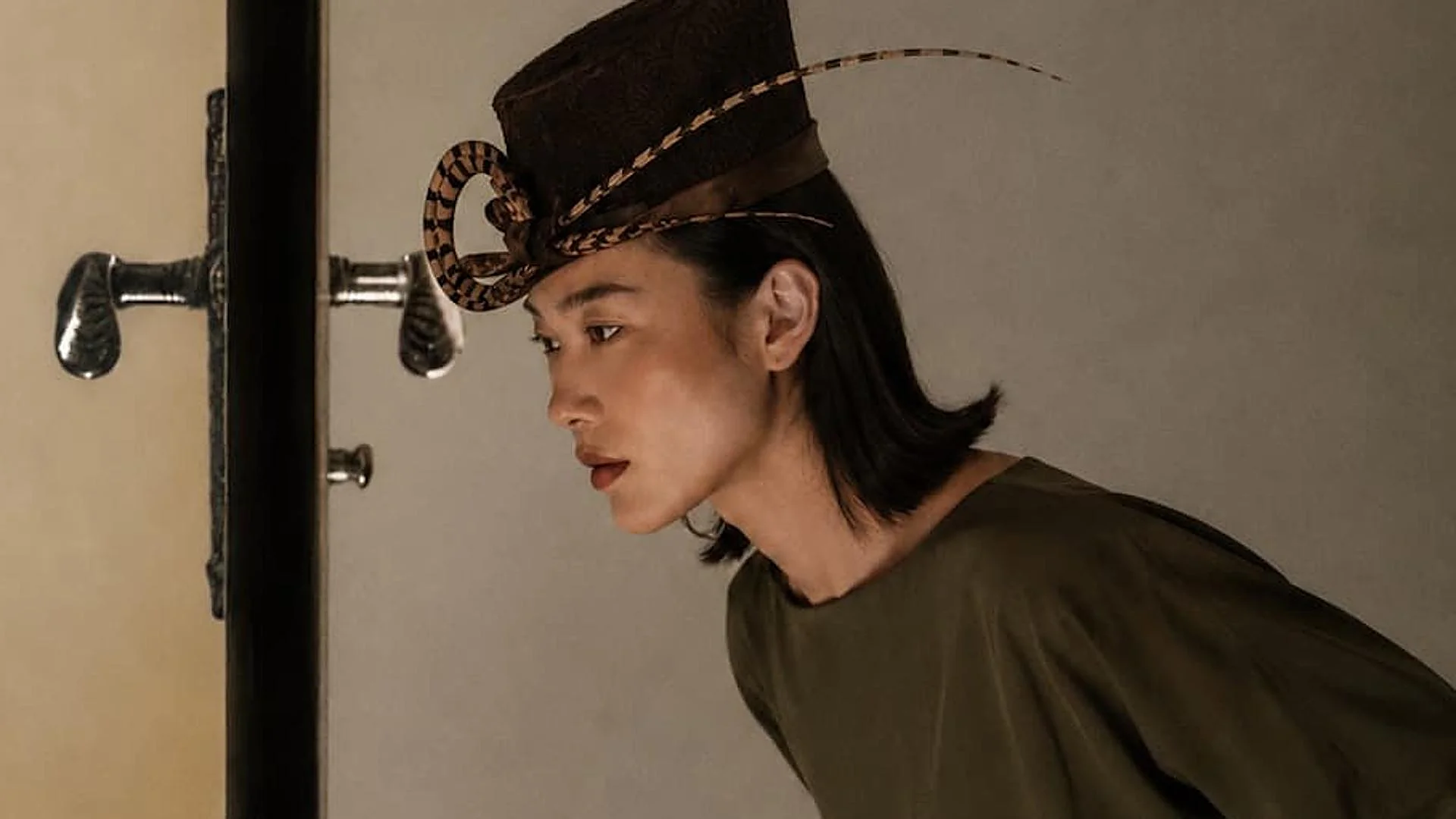
After months in which it seemed that sweet perfumes were the kings of perfumery, the trend (at last) begins to change. In the olfactory landscape there is a family that is gaining more and more strength, and although it is not a closed group, it does incorporate facets that are very interesting and convey a dry, green, acidic, earthy or slightly rough impression. It is my best friend’s favorite: we are talking about bitter perfumes.
As explained by Miguel Bartolomé, perfume expert and Marketing & Communications Manager of Isolée, when we talk about these scents, we refer to a sensation that can be subjective: “it is an effect that comes from very different ingredients, from certain fruits and citrus to spices, woods, vetiver or materials with greener and darker facets. Therefore, we cannot speak of a ‘bitter’ family, but of an olfactory effect that can appear within very different families and function as a contrast element.”
For him, the families that would best represent this trend are the woody and spicy ones “because they allow bitterness to be worked from a dry, warm and deep perspective.” However, they are not the only ones: “the green and aromatic ones bring that vegetal, slightly rough or fresh character; and the chypre family, historically closely linked to earthy, mossy, dry and contrasted facets.” He also notes citrus for its trajectory, “especially when you work with the skin or with citrus notes such as grapefruit.” He also highlights how striking the evolution of neo-gourmand is, which introduce bitter, roasted, spicy and woody elements, “reducing sweetness and making the result much more sophisticated (and unexpected).”
Why they are trending
According to the expert, for a logical reason. “I think the rise of bitter perfumes responds, in part, to a natural evolution after several years of absolute prominence of gourmands. Vanilla, caramel, praline or creamy accords still work, but now they are sought with accompanying elements that make them less obvious.” Now we seek enveloping perfumes, but with nuances, contrast and a lot of personality. “The consumer has grown tired of smelling like a custard tart.”
So, the summary is that, for the upcoming autumn/winter season 2026-2027 we are looking for less predictable perfumes. “It is no longer about classifying a perfume within a single category, but about combining different facets so that bitterness serves as the guiding thread that makes those contrasts make sense.”
The Best Bitter Perfumes
Oud for Grace by Initio Parfums Privés (in Isolée).
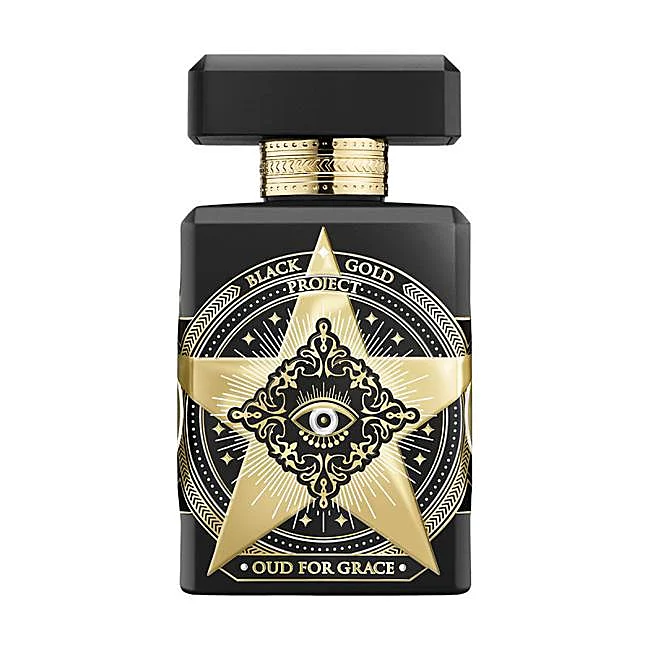
Oud for Grace by Initio Parfums Privés (in Isolée). It is a much more sensual and polished interpretation of oud. It blends a spicy and slightly bitter opening with a heart of dark woods and a warmer, enveloping base. It has a strong presence and I think it is ideal for someone seeking a dark, luxurious, feminine scent with personality.
Absinthe by Nasomatto.
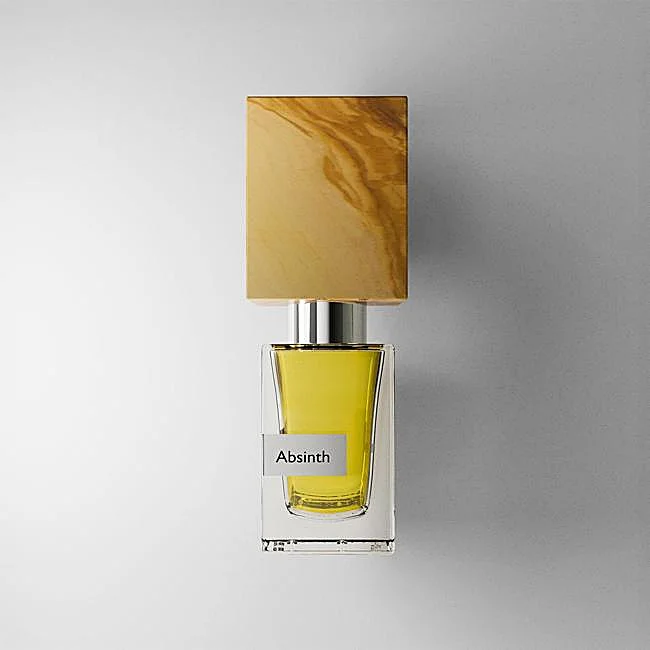
Absinthe by Nasomatto. It has a green, herbal and bitter character that recalls wormwood, medicinal plants and damp earth. It does not seek floral or sweet femininity, but a mysterious and unconventional woman. It is sensual, dark and very traditional.
Absinthe by Nasomatto.
Absinthe by Nasomatto. It has a green, herbal and bitter character that recalls wormwood, medicinal plants and damp earth. It does not seek floral or sweet femininity, but a mysterious and unconventional woman. It is sensual, dark and very traditional.
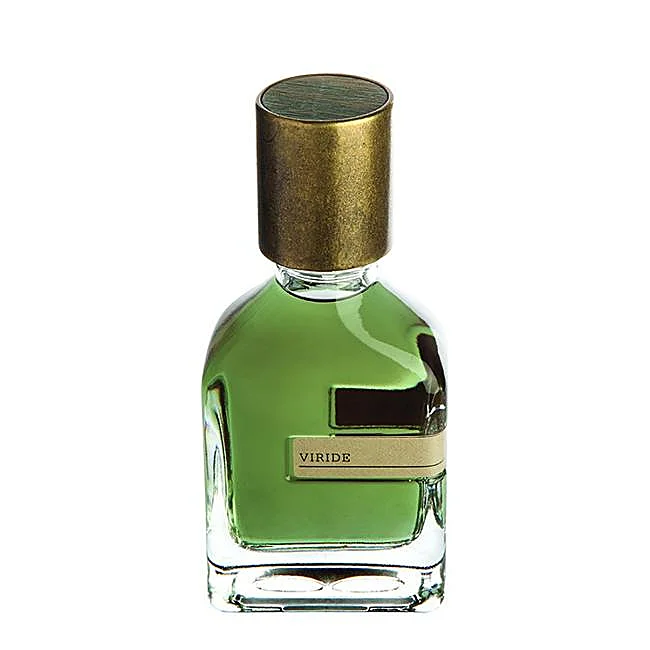
Viride by Orto Parisi.

Viride by Orto Parisi. It is intensely green, aromatic and dry. Its trail combines crushed leaves, wild herbs and damp vegetation, with a persistent bitterness that moves completely away from sugary perfumes. It is artistic, modern and the fragrance everyone will be asking you about this autumn.
Le Sillage Blanc by Parfums Dusita.
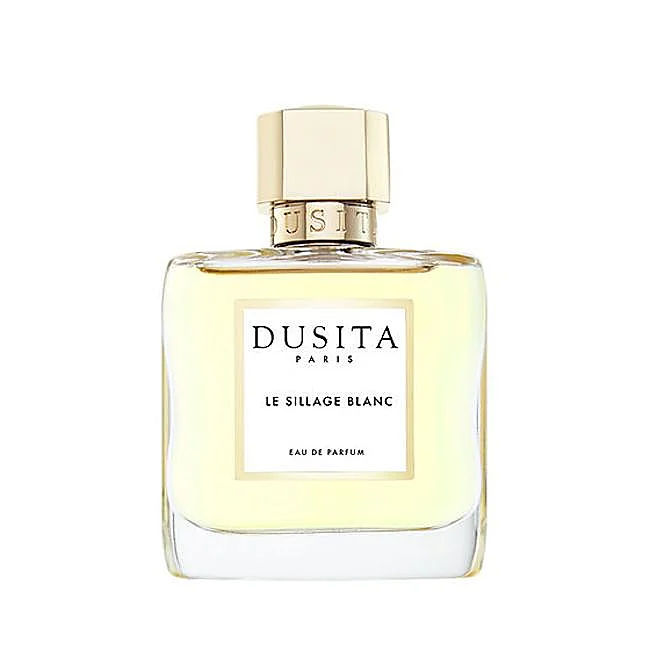
Le Sillage Blanc by Parfums Dusita. It is feminine and bitter at the same time. Its green galbanum facet blends with flowers, leather and moss, creating a dry, elegant and slightly sharp composition. It results in a refined, contemporary fragrance with irresistible mature femininity.
Nuit de Bakélite by Naomi Goodsir.
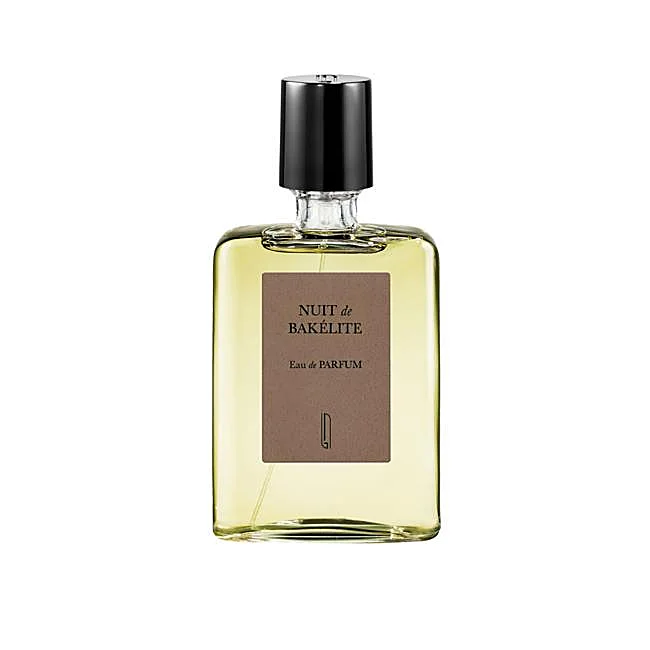
Nuit de Bakélite by Naomi Goodsir. I like it because it is a much more experimental feminine proposition. It starts from a narcissus note completely away from creaminess and sweetness, surrounded by green, bitter, smoky and (almost) medicinal notes. The result is sophisticated, and it recalls stems freshly cut and still-green flowers.
Hexensalbe by Stora Skuggan.
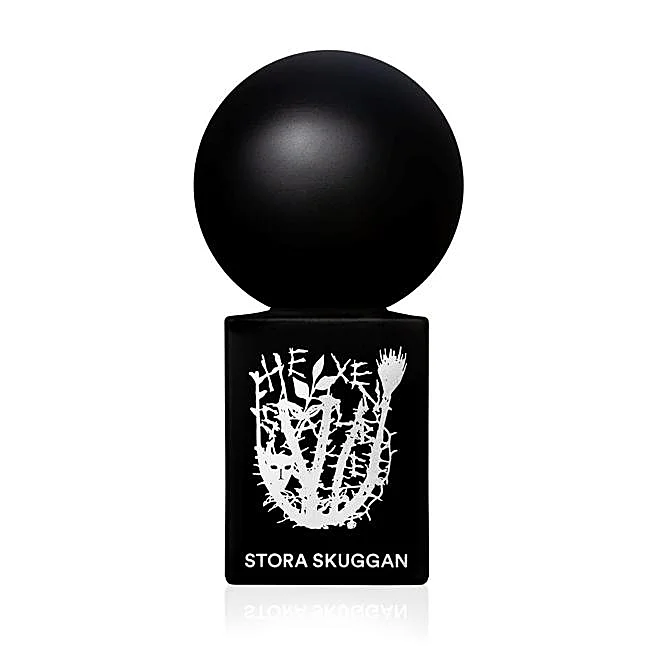
Hexensalbe by Stora Skuggan. It is dark, herbal and mysterious. Its vegetal bitterness and aromatic facets create an unconventional trail that works wonderfully. It does not convey delicate femininity, but magnetic and enigmatic. You will wow wherever you go.