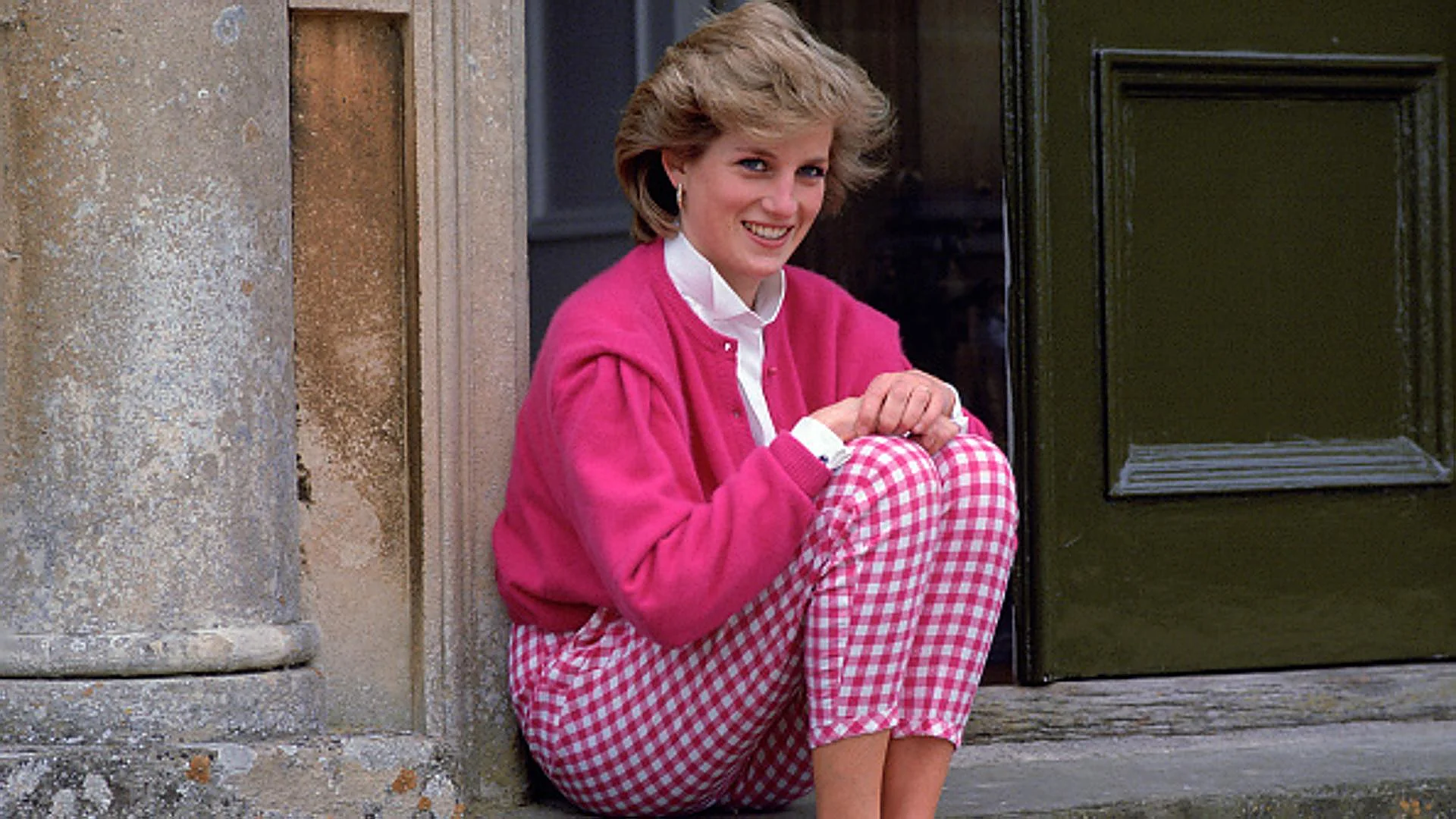
More than three decades have passed since the tragic accident in Paris that ended the life of Diana, Princess of Wales, but her memory remains more vivid than ever. Lady Di left an indelible mark that continues to fascinate, even generations who did not share the time with her, but who turn to her legacy seeking everything from inspiration for dressing to the story of a woman who, despite not being exempt from suffering, chose to live her life according to her own rules.
And that Diana was never a conventional princess. Her generosity, her closeness and her rebellious character led her to flout rules and protocol on more than one occasion, making clear in every act of dissent what her intentions and priorities were, which transcended the desire to fit into the established norms within the British monarchy. Perhaps for that reason and her determination to humanize the figure she represented, she earned the nickname of the “People’s Princess,” a moniker that accompanies her to this day.
However, not every rebellious gesture in Diana, Princess of Wales’s life carried an advocacy intention behind it. Some, simply, arose from the simple desire to have fun (and to do so outside the parameters established for a princess). Those events are now anecdotes that illustrate and recall her life and reveal the woman behind the icon, the simplicity hidden behind the urge to have a good time without feeling watched and to fully enjoy the freedom that public exposure so often robbed her of.
The bachelorette party that ended up in a police van
It was in 1986 when Andrew Mountbatten-Windsor and Sarah Ferguson said their ‘I do’. As with any good wedding, the bride deserved a worthy bachelorette party, and there Sarah Ferguson went with her inseparable friend, Diana. The future sisters-in-law, who were thick as thieves, ventured hand in hand into the London night, dressed in a peculiar outfit: a police costume with all the details.
Diana de Gales y Sarah Ferguson, en una imagen de archivo
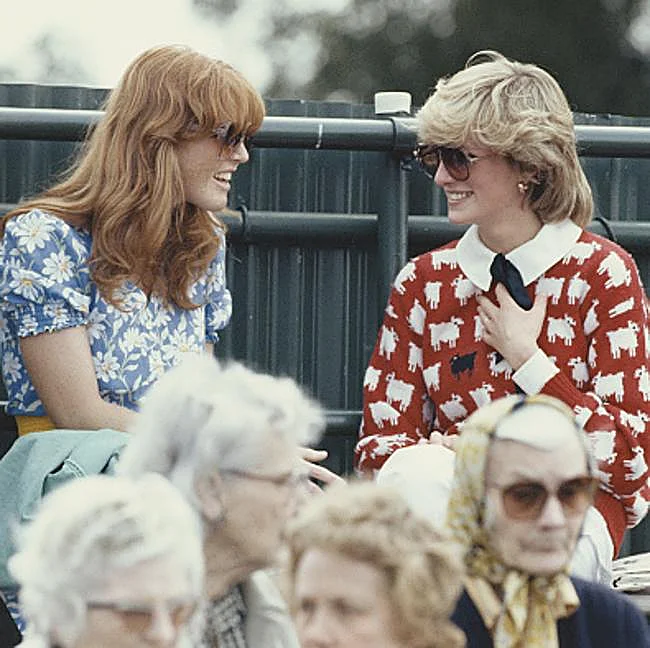
The two women entered a nightclub for a drink, but when the waiter saw what seemed to be two law-enforcement officers in the venue, he did not hesitate to throw them out. This is how Ferguson herself recounted it in an interview on The Kelly Clarkson Show, where she explained that the club worker firmly believed that the two royals were, in fact, police officers. However, this did not stop their party, which continued on the street, costume included, until they were actually detained by real police.
The agents put the two friends in the police van with the intention of following the usual procedure, but it wasn’t long before they realized that they were the partners of the queen’s children. Diana and Sarah were released, and, according to legend, they continued the party, this time with a somewhat curious anecdote that would make that night unforgettable.
When Diana, Princess of Wales, dressed in disguise to go out partying with Freddie Mercury
Diana’s fondness for the LGBTQ community was no secret, but her relationship with them was not limited to advocacy; she truly felt at ease in these environments. So much so that on occasion, she even dressed in disguise to attend the fashionable nightlife venues around the city, moved this time by the need to experience “normal experiences” without being pursued by the wave of paparazzi that usually trailed her.
Diana de Gales, en una imagen de archivo
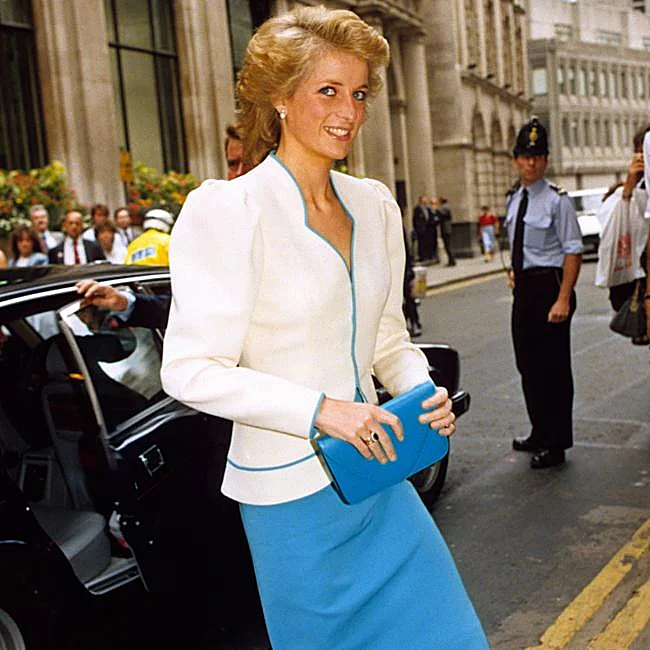
According to Edward White in his book Dianaworld: An Obsession, it was singer Freddie Mercury and actress Cleo Rocos, friends of the princess, who arranged the disguise so she could enjoy her night of fun at London’s Royal Vauxhall Tavern. The bustle of the night and the dim atmosphere of the venue helped the popular princess go incognito and enjoy, as she wished, a normal night.
Although this story has been told on numerous occasions by several friends and close acquaintances of Diana, the truth is that fully trusting its veracity is up to interpretation. What is certain is that for Lady Di the LGBTQ community was a kind of refuge, a place where she could feel herself and live that longed-for freedom that public exposure often forced her to renounce. Hence this anecdote is, at the very least, plausible.
Other rebellious gestures that marked Diana, Princess of Wales’s life
Alongside these two stories with such impact, Diana also lived with small disobedient acts perhaps not as flashy, but that bring us a little closer to her personality. One of her most talked-about habits was her taste for the sensationalist press, something not looked upon favorably among members of the royalty (it is worth remembering that Diana lived at Kensington Palace, owned by the British Crown, until her death), so she had to devise a plan to smuggle these magazines into her apartment.
Her accomplice was Richard Dalton, her hairdresser from 1981 to 1990 and the person tasked with delivering the prohibited press so she could enjoy her guilty pleasure, gossip. However, this vice was a double-edged sword that sometimes backfired, as she was also a victim of those publications where rumors about public figures – of course, including the royalty – were within anyone’s reach. In her forays with sensationalism she had to deal with information that attacked her directly and made her regret her decision. Although we do not have evidence that she ever abandoned this habit.
To all these stories we must add others, such as when she refused to vow obedience at her wedding to the then-Prince Charles, drafting her own vows, when she spoke publicly about her mental health issues or when she wore the unforgettable ‘revenge dress.’ But if there is one good thing we can take from how Lady Di faced rebellion, it is that it was not only a way to slam a fist on the table, it was also the path through which she could reach the most vulnerable and show her most altruistic side. And indeed, Diana, Princess of Wales, was a pioneer, among other things, in reaching out to people with AIDS and offering them a hand, thereby breaking the stigma that prevailed in society at that time.