We all have at home a drawer full of cables we never use, but we don’t throw away. Often we buy them in a moment of inspiration — or they were given to us at some point — and there they stay, waiting for us to dare to try them. Then there are the ‘just in case’ things we keep in the bathroom cabinet to replenish when needed. However, between cables and cosmetics there is a clear difference: facial creams expire. And yes, they do so even if they are not opened.
“When we talk about a cosmetic expiring, we mean the moment when the manufacturer can no longer guarantee that the product maintains its stability, safety and efficacy. All cosmetics have a shelf life, though not all age in the same way. It depends on the formulation, on the active ingredients it contains, on the preservative system and also on the type of packaging,” explains Dr. Amira Chehade, physician specialized in Clinical Dermatology, Aesthetic Medicine and Anti-Aging and medical director of NOVO Clinic.
The expert explains that, even if the packaging remains closed, the ingredients continue to evolve over time: “Light, heat, or simply the natural aging of the formula can affect some actives. That is why products that are unopened also have an expiration date or a preferred-use date.”
Security or efficacy
Now, is the expiration date a question of safety or of efficacy? “Both, although in many cases what is lost first is efficacy. A product can remain safe for a while after the indicated date, but it will no longer offer the promised benefits. However, when stability is altered in a significant way, safety can also be compromised,” she adds.
Some actives are especially unstable. Pure vitamin C, certain retinoids, growth factors or some newer technologies are very sensitive to oxygen, light, humidity or temperature fluctuations. This means they can begin to degrade from the moment they are manufactured, even if the product remains closed. “That is why in cosmetics it is not only the ingredient that matters, but also how it is formulated and protected. The same active can maintain its efficacy for months or lose it quickly depending on the formula’s pH, the presence of stabilizing antioxidants or the type of container used,” Chehade asserts.
Color, smell and texture
Any obvious change from the original state should raise suspicion: changes in color, smell, texture or consistency. Also if there are lumps, separated liquid, or the product feels different when applied. “They are signs of loss of stability, which is the property of a cosmetic to keep its organoleptic, physicochemical or microbiological characteristics within the quality specifications during the indicated shelf life,” notes Aina Bartoll, pharmacist and trainer at USU Cosmetics.
The main warning signs are:
- Obvious change in odor.
- Change in color.
- Phase separation that does not disappear when shaken.
- Crystallization.
- Appearance of lumps or precipitation.
- Significant texture changes (more liquid, too thick or with a different feel).
- Alteration of the general appearance of the product. If a cream “doesn’t look the same anymore,” the most prudent course is not to use it.
Is it okay or has it gone bad?
The separation of the product into phases does not always mean it is spoiled. “Some formulas can show a certain separation due to temperature changes or because ingredients have reorganized, and they may recover their original look by shaking. But if the separation is permanent, strange liquid appears or the texture changes a lot, it can indicate that the emulsion has destabilized and it should be discarded,” stresses Bartoll.
Does the odor change before the formula? “The smell can be one of the first visible signs of alteration.” Some ingredients, especially those actives sensitive to oxidation, can generate odor changes before the user notices other changes. But it can also happen the other way around: a formula can lose efficacy without any obvious change in odor,” she adds. Regarding color, a change usually indicates oxidation or degradation of some ingredient. A classic example is pure vitamin C, which, as the pharmacist notes, “can shift from pale tones to yellower or darker tones when it starts to oxidize.”
What happens if lumps appear or the texture changes? It is a sign that the formula may have lost stability. “Lumps can appear due to degradation of ingredients, temperature changes or alterations in the emulsion. If the change is new and does not match the product’s original texture, it is better not to apply it,” she emphasizes.
The container matters…
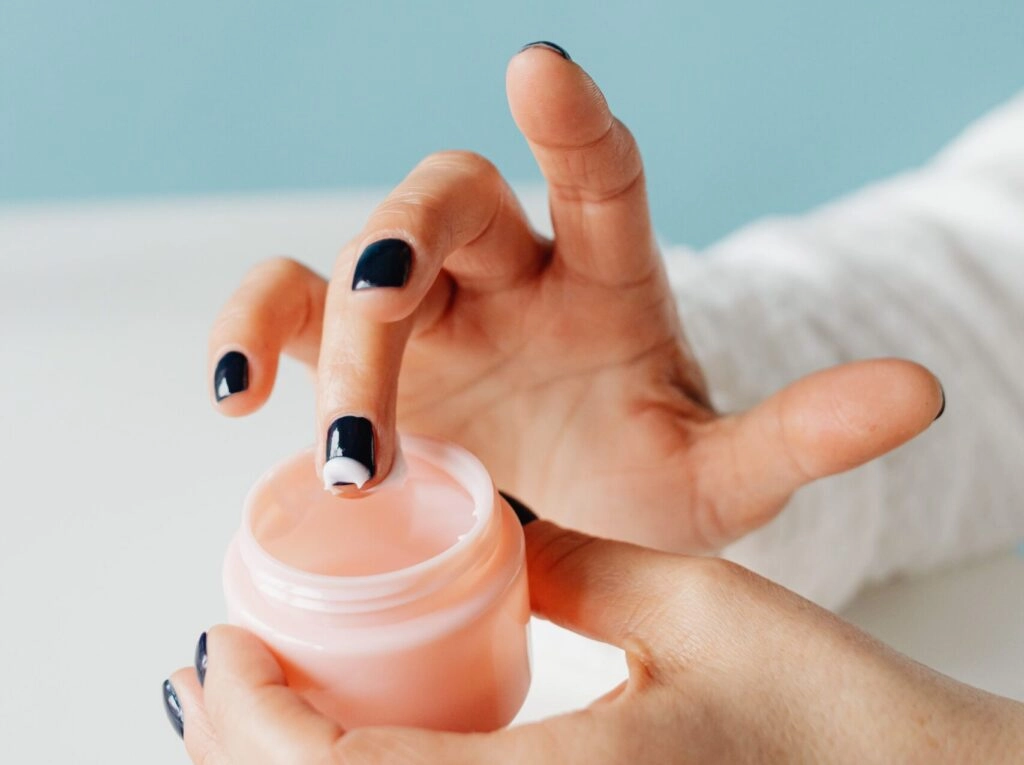
From a microbiological standpoint, jars carry a higher potential risk of contamination than dispensed containers. “Every time we open the jar, we expose the product to air, environmental microorganisms and direct contact with our hands,” adds Bartoll. Although preservatives are designed to protect the formula, repeatedly inserting fingers increases the microbial load and can promote contamination over time. What’s ideal? Using a clean spatula.
That is why many brands opt for innovative containers whose interior has little or no contact with skin and, even, with air to minimize possible oxidation and/or contamination of the formula. In this regard, airless systems, opaque containers and encapsulated formulations have represented a major advance precisely because they help preserve especially delicate ingredients. “In some products the first thing that is lost is not safety but potency. In other words, the cosmetic remains safe to use, but the active no longer delivers the expected results,” notes Dr. Chehade.
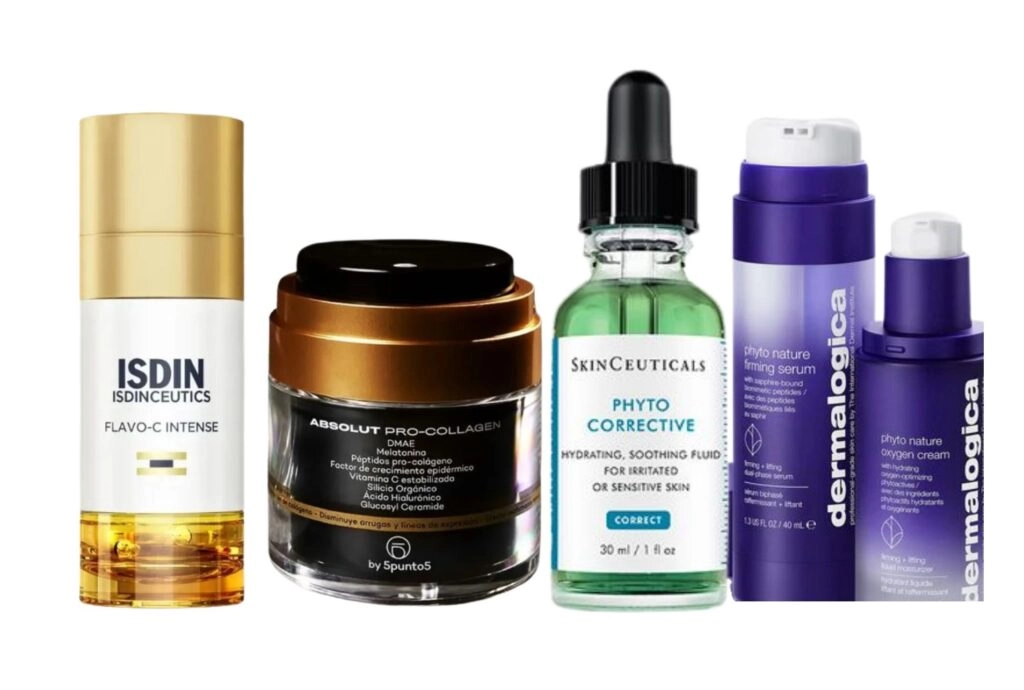
The products most sensitive to bacteria “are especially those that contain water and have lighter formulas, such as creams, gels or hydrating masks; anhydrous products, such as certain pure oils, tend to be less susceptible to microbiological contamination.” In addition, a cream can become contaminated even if it has not expired, and in this sense, storage is crucial. “If the product is stored poorly, exposed to extreme temperatures or handled with little hygiene, it can become contaminated ahead of time. Bathrooms often experience constant temperature and humidity changes,” factors that can accelerate the degradation of some ingredients, but if kept in a cool, dry place and protected from direct light, they can remain safe,” she clarifies.
The expert explains that opaque containers and airless systems are usually the most effective to protect ingredients sensitive to oxygen and light. Is refrigerating creams extending their shelf life or is it a myth? “It is not a universal rule. Some specific products can benefit from refrigeration, especially certain antioxidants or very sensitive formulations. However, most modern cosmetics are designed to be stored at room temperature. The most important thing is to follow the manufacturer’s instructions,” she asserts.
Don’t burn yourself
When we talk about expired ingredients that lose their efficacy, compared to others that can harm skin health, we often treat the former as harmless, until we reach the king of photoaging: sun protection. What happens if we use an expired sunscreen? “It is one of the products about which we must be especially cautious. Over time, sunscreen filters can degrade and lose protective capacity, but in their formulas this is not always visible,” explains the dermatologist.
The doctor stresses that using an expired sunscreen can translate into protection that is lower than expected and raise the risk of sunburn and cumulative sun damage.
And for hair?
Does the same happen with hair products? Yes, the expiration of hair products directly influences their efficacy and safety. This is explained by Juan Leal, hairdresser and director of education at Pierino Cosmetics: “Often we think that a shampoo or a mask simply ‘stops working’, but the truth is that over time the active ingredients degrade and the formulas can lose stability, even altering their texture, scent or performance on the hair.”
The expert maintains that in more technical products, such as repair treatments, heat protectors or formulas for the scalp, this loss of efficacy can be especially noticeable. Moreover, storing them in humid or heat-exposed places, as is common in bathrooms, accelerates their deterioration. “Often the first indicator that a hair product is no longer in good condition is not the expiration date, but the changes we notice when using it. A shampoo, conditioner or mask that has lost stability may present changes in odor, with stronger or rancid scents. Also color changes, a more liquid or clumpy texture than usual, or even a separation of its components,” he exclaims.
All of this is usually noticeable in the final result: hair feels less hydrated, loses shine or the product no longer delivers the performance it had when it was in perfect condition.
The longevity of each active
Not all actives age in the same way. That is why experts make a key distinction between those that remain stable, those that contaminate easily, and above all, those that can irritate and are better not applied to the skin once they have deteriorated.
1. Actives that practically do not ‘expire’ (very stable)
“They tend to maintain their safety profile for a long time if the overall formula remains stable.”