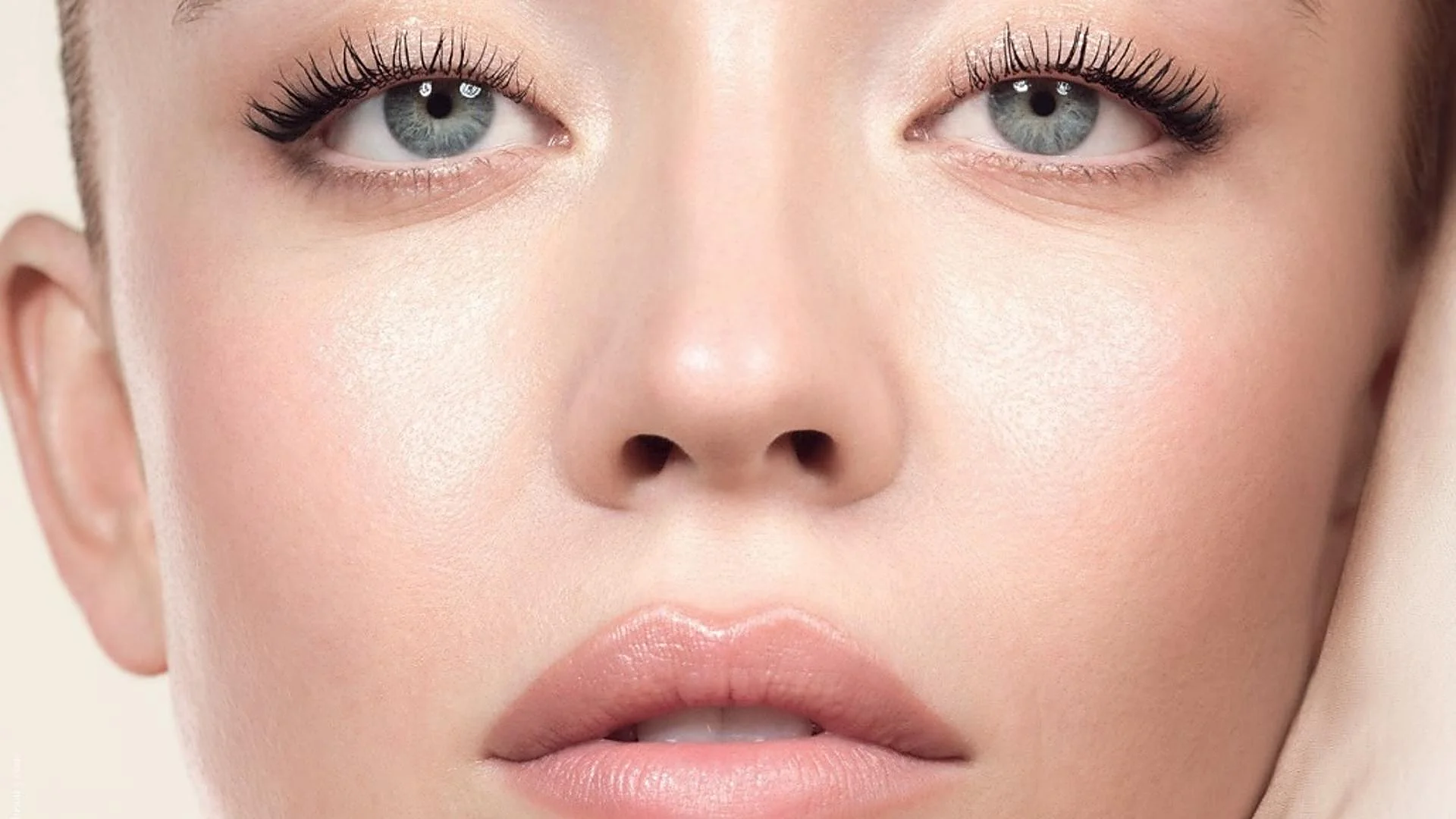
There is a detail about Anne Hathaway’s latest appearances that, beyond her sophisticated maternity-style outfits, has not gone unnoticed: her mane. The actress, who is expecting her third child, is showcasing a particularly shiny, abundant hair with a lot of movement during the promotion of her latest projects.
In some of her recent looks she has worn her hair down, with volume and a slight wave, enhancing that image of a dense mane that many women associate with pregnancy. However, although there is a hormonal explanation behind this phenomenon, not all pregnant women experience the same changes or they do not always translate into hair that is more beautiful or easier to manage.
Hair can gain body and shine, but it can also become drier, oilier, or frizzy. It is also possible that its usual texture changes and that the scalp becomes more sensitive. Moreover, part of that density apparently gained during pregnancy can noticeably fade months after giving birth.
Why hair may seem more abundant during pregnancy
At MUJERHOY we wanted to resolve some questions about hair during pregnancy, and for this reason we spoke exclusively with the hair expert Paz Torralba, who is the director of The Beauty Concept. When asked about pregnant women’s hair, she is clear: “In consultations, the most common thing is to see hair with more body and a slowed shedding cycle,“ explains Paz
In normal conditions, each hair goes through different phases. During the anagen phase it grows actively and, afterwards, it enters a resting phase before shedding. In pregnancy, the sustained increase in estrogen can prolong that growth phase and delay the moment of shedding.

Anne Hathaway displaying a dense mane during her latest pregnancy.
This does not necessarily mean that an extraordinary amount of new hair begins to grow, but that part of the hair’s growth remains longer in the follicle than usual.
“The result is a mane that accumulates more active hairs than usual, which translates into greater visual density and a shine that also responds to changes in sebum production and the overall hydration of the scalp,” the expert notes.
Torralba adds that it can also slightly increase the thickness of each strand. The combination of less shedding, a bit more thickness, and changes in the natural oil on the scalp can explain that effect of hair that is more abundant and shiny that we observe in some pregnant women.
Can pregnancy change the texture of hair?
Density is not the only possible transformation. Hair can begin to behave in a completely different way from the usual. “Hormonal variations can alter the shape of the follicle and the production of sebum, so that a straight hair can gain waves, an oily one can become drier or frizzy, and vice versa.”
Therefore, a woman who before pregnancy had straight hair may discover new waves or a frizz she had never experienced. It can also be the opposite: dry hair may start producing more oil and require more frequent washing.
It is a highly individual and difficult-to-predict change. In most cases, the texture gradually returns to its former state after childbirth, although this process can take several months.
The scalp can also be more sensitive during gestation and react to products that were tolerated without difficulty before. If discomfort, itching, or irritation appear, it may be necessary to simplify the routine and temporarily replace the harsher cosmetics with gentle formulas.
What is postpartum hair loss?
The so-called “pregnancy hair” usually has a counterpart after giving birth. When estrogen levels drop, the hairs that had remained in the growth phase shift to the resting phase and subsequently shed.
“It is a reactive and transient hair loss. As estrogen levels fall after birth, all follicles that had remained in the growth phase enter the telogen phase at once and shed in a synchronized manner,” explains Torralba.
The shedding does not typically appear immediately after the baby is born. Due to the functioning of the hair cycle, there is a lag of about two or three months between the moment the follicles enter the telogen phase and the instant the hair begins to shed visibly.
Hair vitamins Hair Beauty by Luxmetique.

Therefore, it is common that the shedding begins between the second and fourth month after birth. It can be especially evident during washing, when brushing, or when you find more hairs than usual on the pillow.
“It can last up to six months and, occasionally, a little longer if it coincides with prolonged breastfeeding or periods of stress,” the specialist notes. As long as a progressive recovery is subsequently observed, it is usually considered part of the postpartum physiological process.
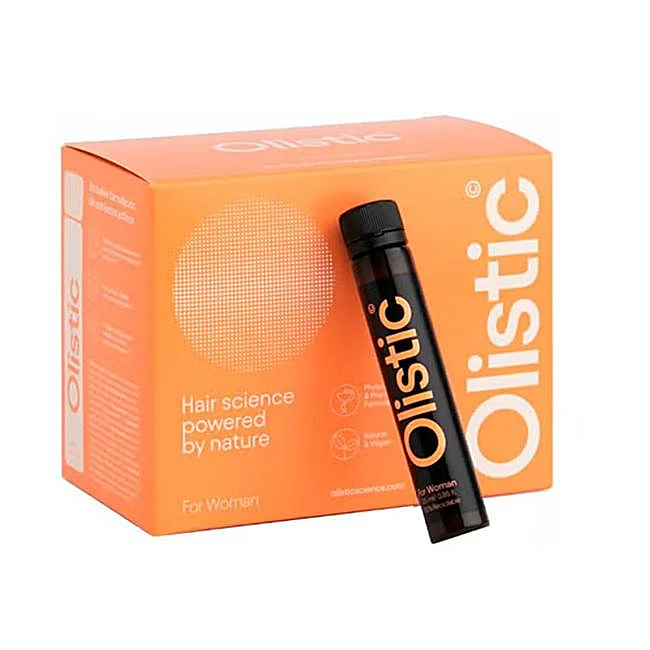
Hair supplement from Olistic.
Also, it should be studied whether the scalp presents itching, persistent flaking, or inflammation, or if the new hair is born increasingly thinner. A trichological diagnosis can help rule out possible iron or ferritin deficiencies, thyroid alterations, and other factors that can add to the hormonal change.
How to care for hair during pregnancy
The expert recommends opting for a gentle routine that respects the scalp’s balance. Delicate cleansing shampoos can be especially useful if the skin is more sensitive than usual.
Nutritive repair shampoo by Ducray.

The expert also advises maintaining good hydration for the mid-lengths and ends and choosing serums or ampoules that reinforce the fiber without overloading the roots. When applying shampoo or a hair treatment, a gentle massage with the fingertips can be performed, avoiding rubbing or scratching the scalp.
Regarding hair treatments, Torralba recommends adapting or postponing more aggressive chemical procedures, especially formaldehyde-based straightening and lightening done very close to the scalp. Techniques like balayage allow keeping products away from the roots.
The mistakes that can worsen postpartum hair loss
During the first months after childbirth, hair goes through a period of greater vulnerability. Some everyday actions can increase breakage and make the loss seem even more intense.
Among the most common mistakes, Paz Torralba mentions overly tight updos worn for long hours, the overuse of heat styling tools without a thermal protector, and aggressive brushing when the hair is wet.
It is also important not to neglect nutrition and to consult with a professional before taking hair supplements. When shedding is concerning, treatment should be personalized after studying the scalp, the state of the fiber, and any possible nutritional deficiencies.