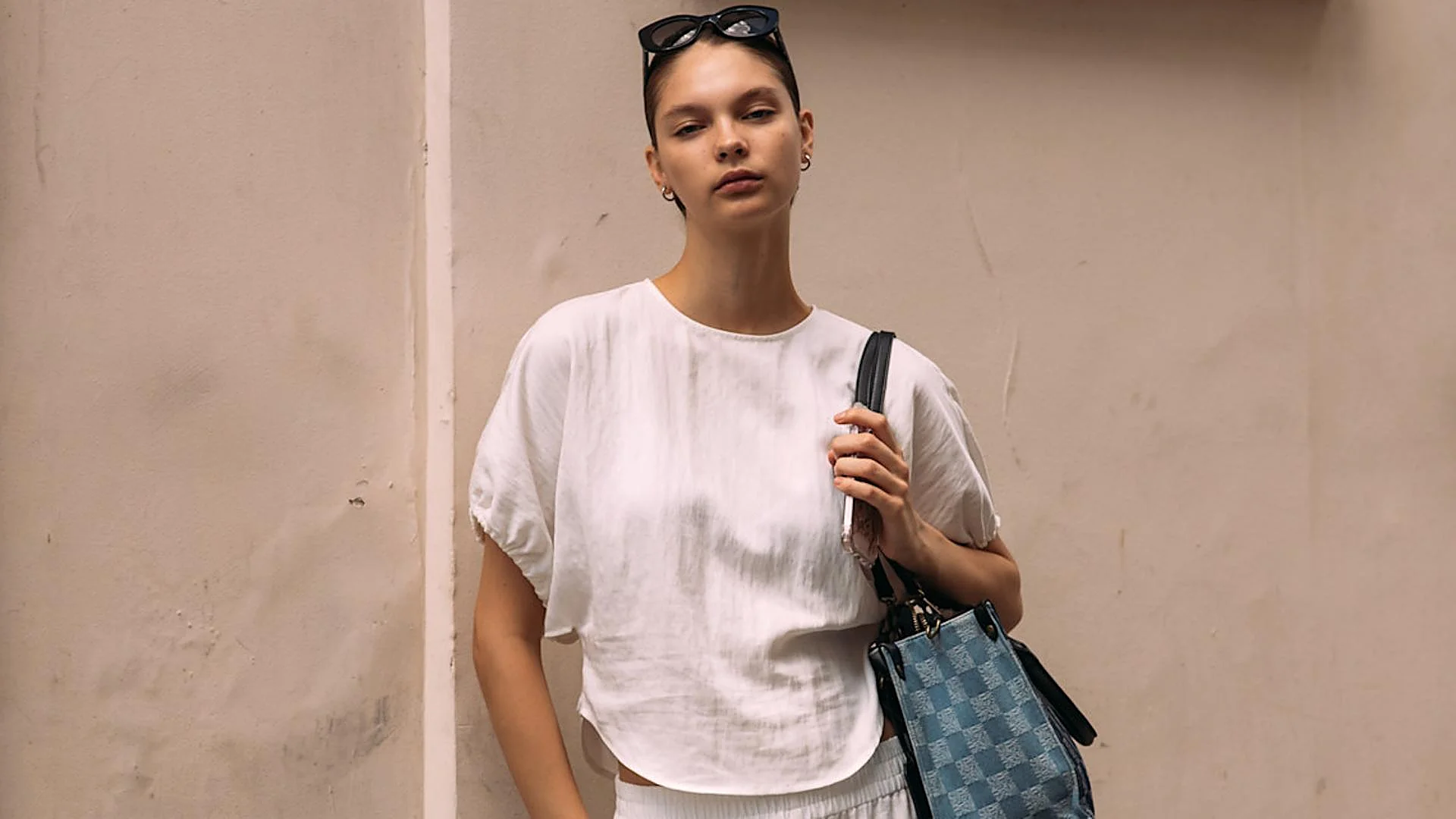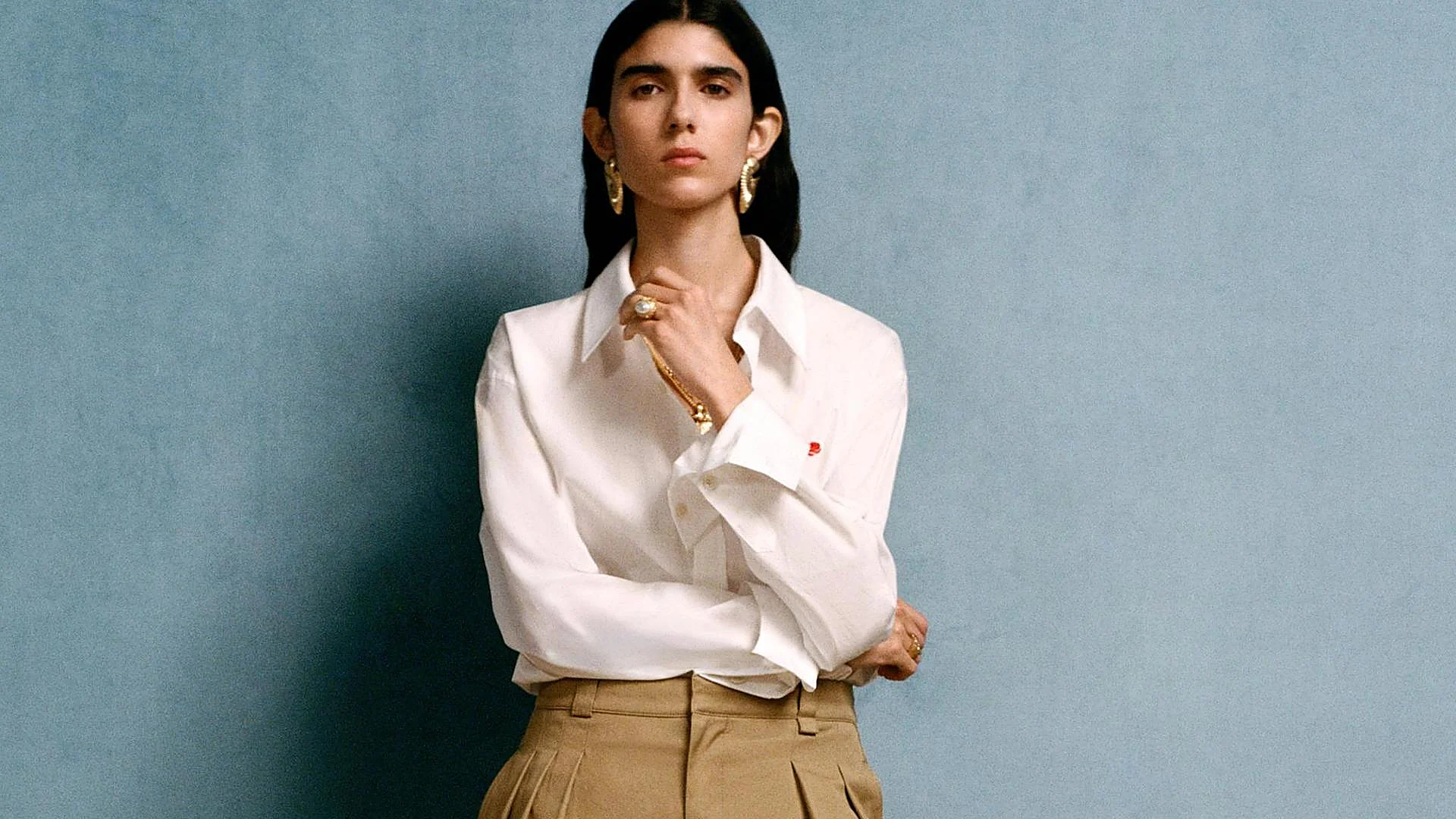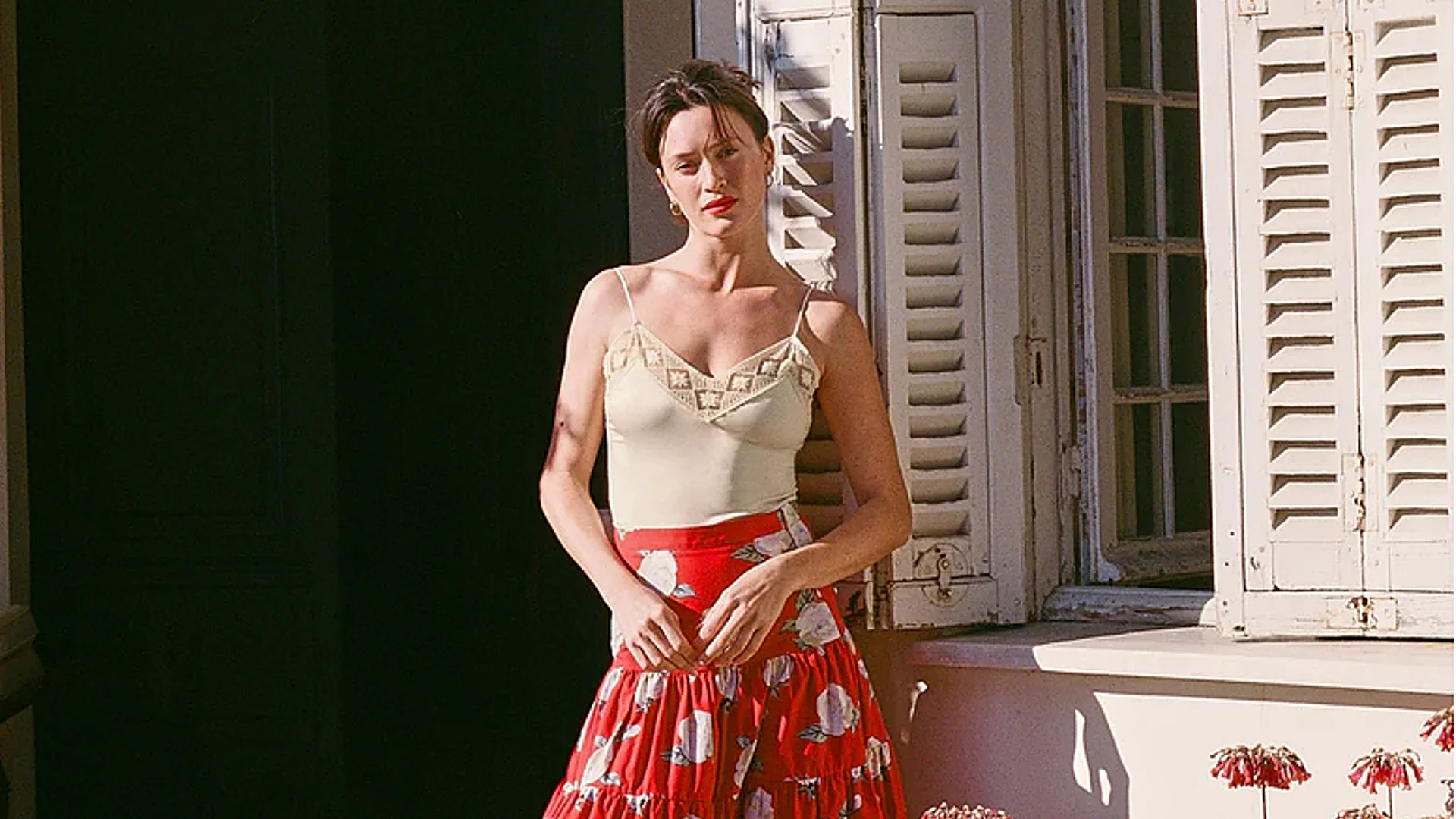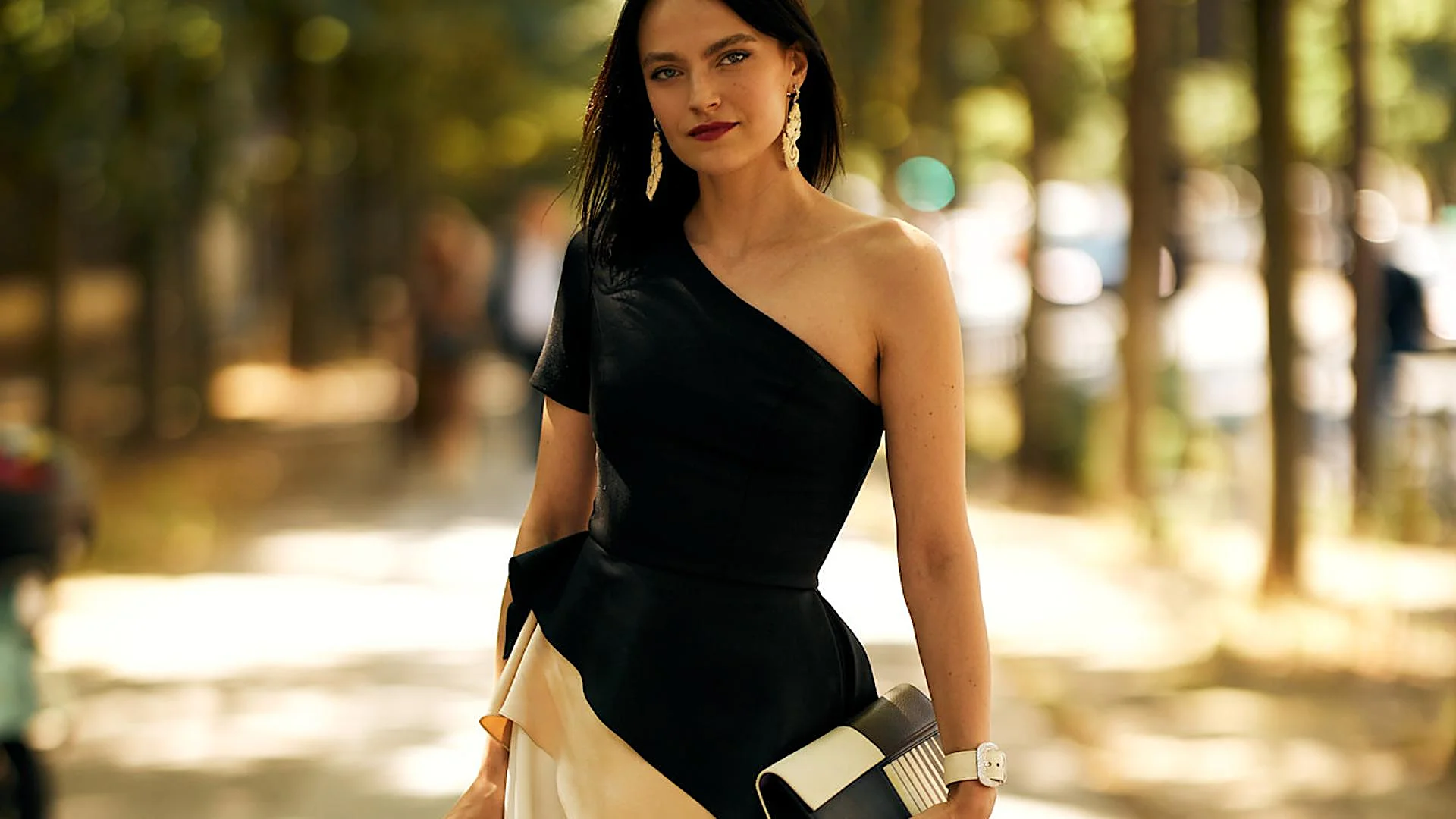
There is no longer a ceiling to what Inditex can reach under the presidency of Marta Ortega and Óscar García Maceiras. The latest results were again historic, with shares rising, profits climbing 5.4% in just three months and an enviable market position of stability. It is the textile company that has generated the most profits in all history. And more importantly: it has managed to escape the price war that Shein and the rest of the low-cost Chinese companies have imposed. How? By not entering the battlefield.
Marta Ortega’s strategy, worthy of the highly skilled Chinese general Sun Tzu, has spread like wildfire through the offices of global sector players, where Shein’s competition has been taking a toll for years. In fact, the long wait for a response from these brands testifies to the bravery of Inditex in distancing itself from those who wanted to be treated as equals. It was necessary to rise up against the Chinese empire and Ortega, well acquainted with the sweetness of luxury, knew exactly how to do it: stealing identity cues from haute couture houses.
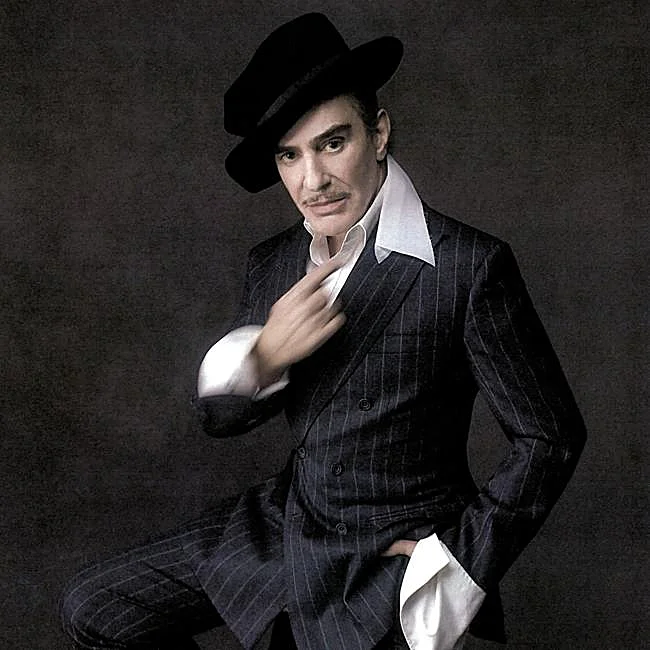
Zara’s progressive rise has not been instantaneous, though the most decisive steps have been recent. We refer to the constant drip of limited collections signed by designers with an aura of authorship and icons of haute fashion: there we have Willy Chavarría, Stefano Pilati, Narciso Rodríguez or, soon, John Galliano. Or the Studio and Premium collections, with superior quality and prices that reached 1,000 euros. Also the gradual assumption of Zara as a lifestyle provider, with extensions into cosmetics, interior design (there is Zara Home), culture (Fundación MOP) or leisure (with Zacaffè). And, of course, the mutation of the shopping experience.
The ultra-modern Zara stores in luxury districts bear little resemblance to those old stores crowded with racks. In fact, Inditex has closed a good number of them since 2019 (more than 2,000, in fact), reducing its physical network by more than 25%. However, the square meters devoted to physical selling have increased: the bet on flagship stores on exclusive shopping thoroughfares is key. These flagship megastores function at the same time as experience centers for the customer, runways of fashion, and logistics hubs, integrated with e-commerce.
Marta Ortega Strategically Chooses Her Appearances
Simultaneously, Marta Ortega has cultivated a hybrid presence as a creative executive and ambassador, projecting a kind of influence reachable only to certain luxury CEOs with a prominent media profile. What was once desired anonymity is today a measured strategic approach to appearances in venues extremely sought after. For example, Paris, during Fashion Week and surrounded by stars. New York, at the Met Gala. Milan, at Prada’s show. Even Rosalía and Anna Wintour have had to visit her stronghold in Arteixo to meet with her. We have seen her outside her comfort zone only once: in Bad Bunny’s home.
The designer John Galliano.
Elevated to the heights by the business, Marta Ortega has managed, through her collaborations, exhibitions and funding, to be recognized in creative circles. And although we might imagine her wardrobe overflows with haute couture (the one she wore at her wedding was by Pierpaolo Piccioli), she always attends exclusive luxury ceremonies impeccably dressed by Zara or Massimo Dutti. No one better than her to demonstrate that any Inditex design can pass as an authorial proposal, especially if on the wrist she wears a truly rare Cartier. If a Zara look is enough for the most powerful woman in global fashion, how could it not be for its millions of shoppers?
Ortega’s move is perfect: she positions herself as an aspirational style icon, but instead of keeping the dream out of reach for the majority, she makes it attainable again and again at Zara. Moreover, Zara’s elevation through the luxury route has not meant, despite what might seem, a renunciation of the Galician firm’s own nature. The logic of copying is as much a part of its DNA as in the Chinese culture itself.
The Copying Logic Is Part of the DNA of Zara and Shein
Recall that Zara took off by producing at full speed designs and trends it saw on luxury runways: it did so with a swagger and flair typical of any salesman at the Silk Market in Beijing. In fact, it continues doing so in its perfume collection, noted on thousands of social accounts as ‘dupes’ of designer scents. Perhaps because this swagger was not part of its logic, brands like Uniqlo, Cos or H&M have taken quite a while to follow the path set by Marta Ortega at Inditex. Perhaps the creative, commercial and logistical structure is much less agile and yields slower responses.
Be that as it may, mass-market brands are currently embarked on the task of rising above Chinese competitors, unassailable in that price war that nobody wants to wage. The low-cost market belongs to Asia. The only question is: where can luxury move now that mass-market seems premium and premium seems to be luxury?