

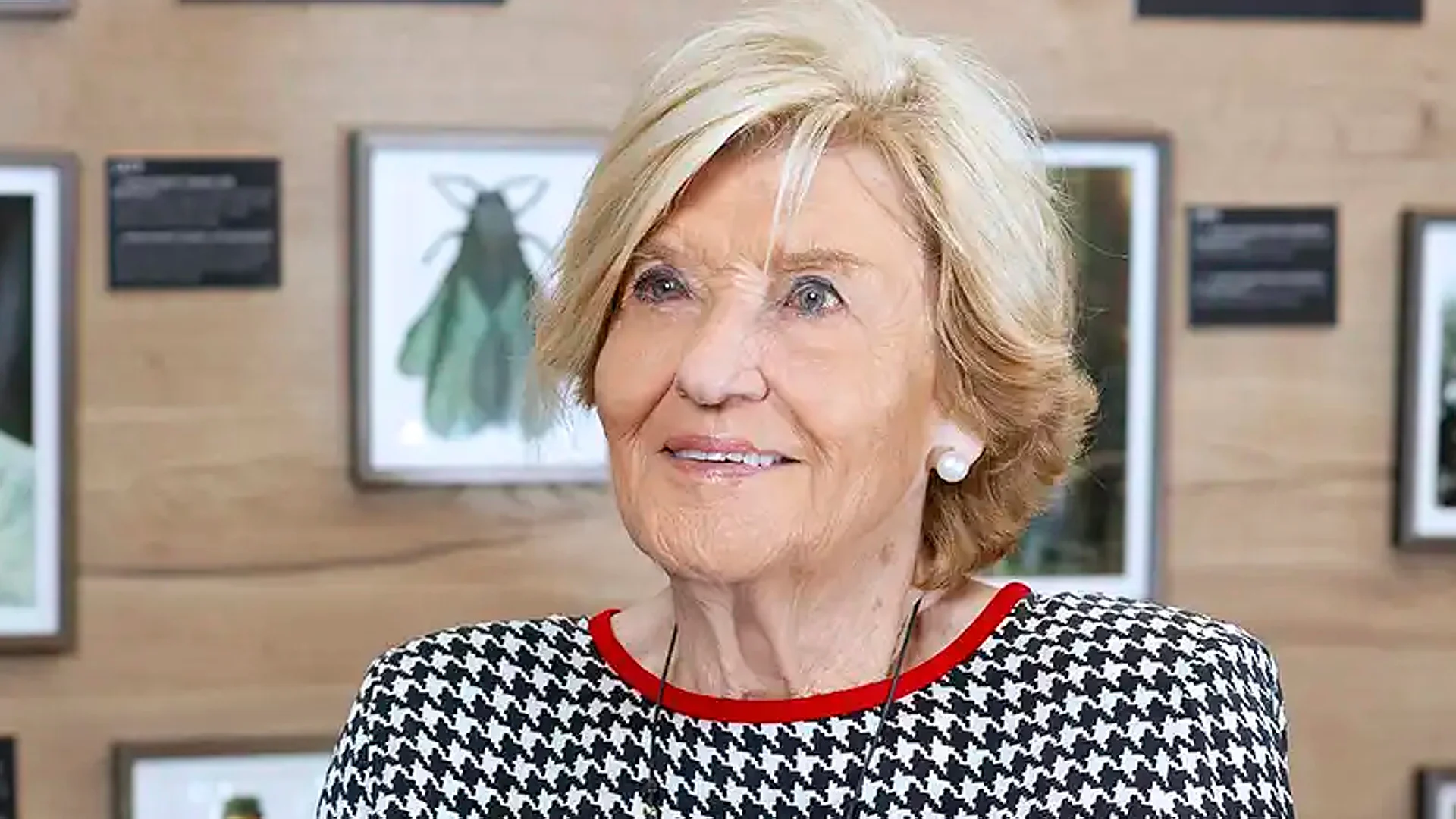
At 83 years old, Ernestina Torelló remains active as president of Cavas Torelló, a family winery located in Gelida (Barcelona) and founded no less than in 1395. The “business career linked to the vitivinicultural sector” of this graduate in Law, considered one of the most influential women in Catalonia by Forbes magazine, has earned her this year the Creu de Sant Jordi together with another well-known professional such as Julia Otero.
This hasn’t been the only recognition Ernestina Torelló has received in 2026. The businesswoman has just been named president of the emblematic Liceo Circle, of which she had been first vice president since 2022. It is a prestigious private club founded in 1847, which shares a building with the Gran Teatro del Liceo in Barcelona and which has only closed its doors during the Civil War.
To appreciate the scope of this appointment, one must bear in mind that Ernestina Torelló is the first woman to lead it in its long history. In fact, Spain’s oldest social club did not admit women among its members until 2001. It was then that its president, the gallerist Joan Antón Maragall, managed to change the term “varones” to “personas” in the bylaws, and women became full-fledged members.
Just a few weeks earlier, the celebrated soprano Montserrat Caballé and nine other women had been barred as members. The Catalan businesswoman’s appointment as president of the Liceo Circle marks the end of a historic grievance and the culmination of a legal battle that even reached the European Parliament.
Montserrat Caballé against the Liceo Circle
On January 31, 2001, during “an animated assembly that lasted into the early hours,” according to contemporary chronicles, the members of the Liceo Circle voted against admitting ten women as members. Among them was soprano Montserrat Caballé, which gave the news greater prominence. So much so that the decision reached the plenary of the European Parliament.
Montserrat Caballé, in a 2005 photograph.
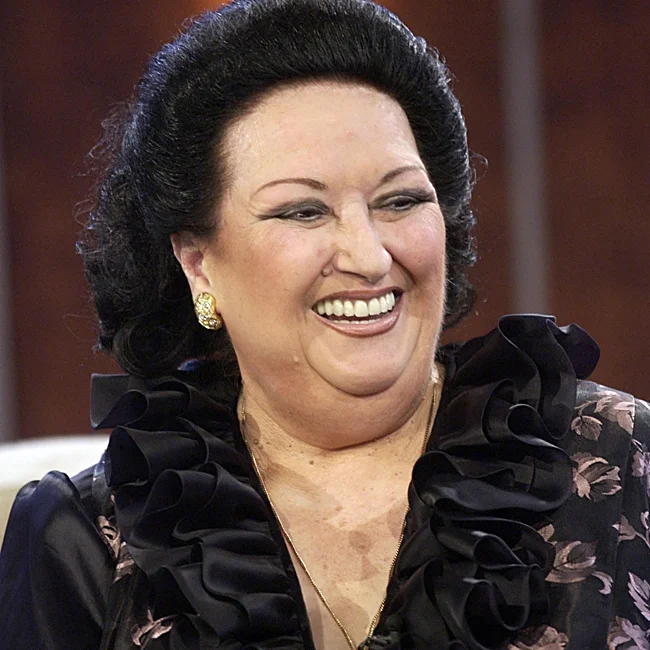
It was there that the Greek socialist MEP Anna Karamanou took the floor to denounce “the exclusion” of the artist from this private social club in a veto that had lasted for a century and a half. “The decision reminds us of times when access to the arts and sciences was reserved for men,” she added, before calling it “an insult to all women artists and scientists of the world.”
Her words took effect and in April of that year, by 373 votes to 279, the members finally decided to allow women’s access as full members of the club. Montserrat Caballé, a pioneer of a struggle that has continued with Ernestina Torelló, received in 2010 the Gold Medal of the Liceo Circle for her 50 years of successful artistic career.
Ernestina Torelló and her family saga
The Catalan businesswoman today represents the 21st generation of the Can Martí estate and farmhouse, which last year celebrated 630 years in the family’s ownership. She currently remains at the helm of the company together with her sons, Paco and Toni de la Rosa Torelló. “It is a pride for my family and for me to keep alive the history that unites agricultural tradition with industrial modernity and with the commitment to continue doing our work well, thereby honoring its memory,” are Ernestina’s words on the company’s website.
Curiously, Ernestina Torelló also hit the headlines for her brave action last January. She was one of the people who helped the injured in the commuter train crash that collided with a containment wall in front of her estate. “Suddenly my house became a hospital,” the businesswoman told the daily El País, whose residence was used by emergency services as an improvised treatment center.


