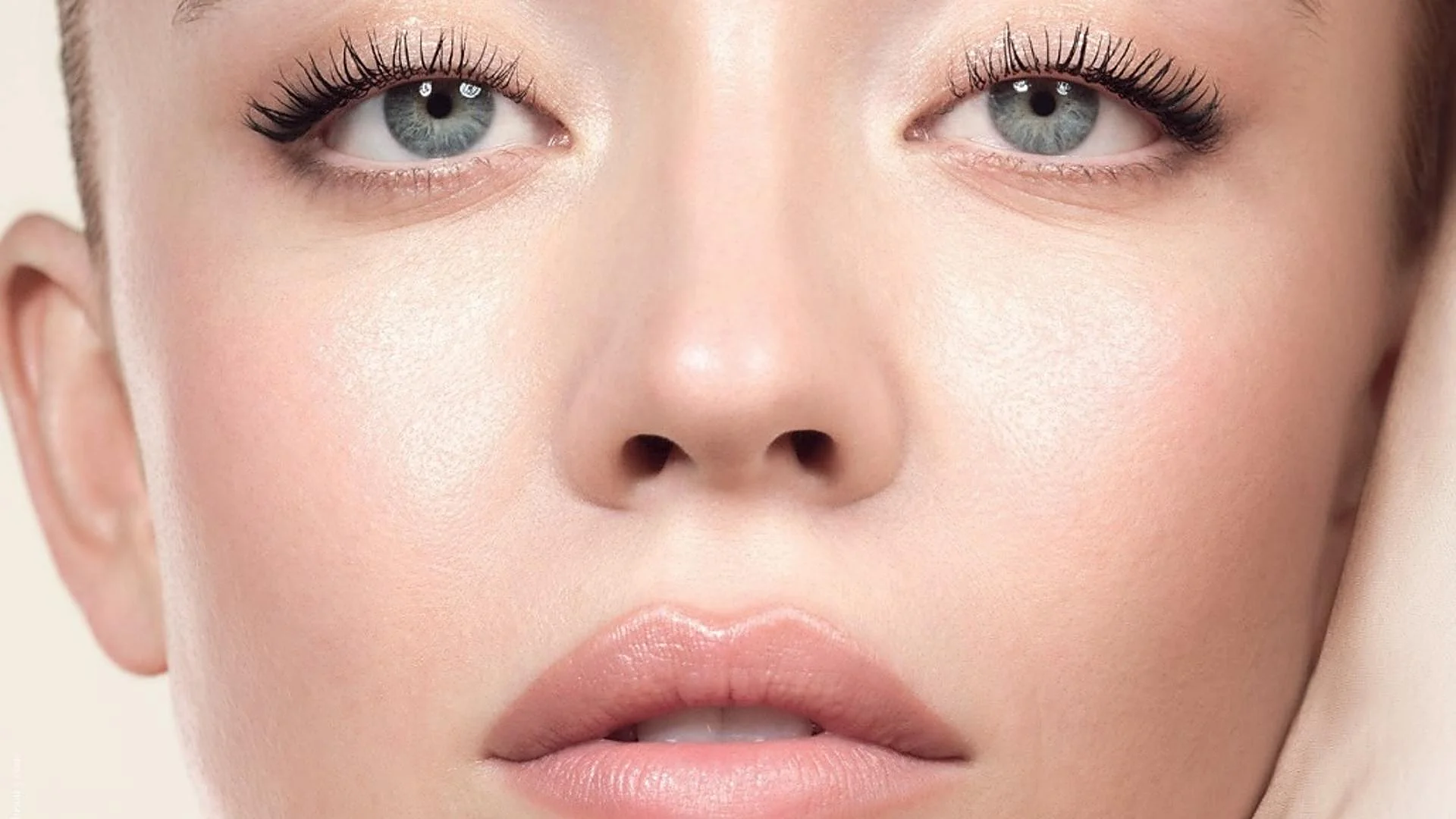
From the age of 50, many women begin to notice that their hair no longer behaves the same. The mane loses density, becomes frizzier more easily, seems less shiny, is harder to comb and the products that used to work stop giving the same results. It is a very common sensation, especially during the summer, when sun, chlorine, salt and frequent washes put the hair fiber to the test even more.
However, the problem is not always in age nor that the hair “has no solution.” According to Javier Mateo, hairdresser and stylist and cofounder of THE LAB Beauty Studio, one of the most frequent errors is continuing to care for it as if it had not changed. “The biggest mistake is treating hair at 55 as if you were 35. Hair changes because the body changes. When we understand its new needs and adapt the care, it becomes a tool to feel good about ourselves,” says the expert.
Why hair changes after 50
Over time, and especially with the hormonal changes associated with menopause, hair can become finer, drier and more brittle. It is also common for it to lose density, for the scalp to produce less sebum, and for the hair fiber to have more difficulty maintaining hydration. Therefore, a routine that worked twenty years ago may fall short or even worsen the sensation of dryness.
One of the most common faults, according to Mateo, is continuing to use the same shampoo as always. “We must review the routine just as we review our facial skincare. What worked twenty years ago may stop meeting the current needs of the hair,” he explains. Mature hair usually appreciates softer, more moisturizing and respectful formulas, with ingredients such as hyaluronic acid, glycerin, ceramides, panthenol, niacinamide or peptides.
It’s not about washing less, but washing better
Another widespread belief is that, from a certain age, it is advisable to wash the hair as little as possible. But the expert clarifies that the ideal frequency does not depend on the years, but on the scalp. “A 60-year-old woman with an oily scalp may need more washes than a much younger woman with dry hair. The goal is not to wash less, but to wash better.”
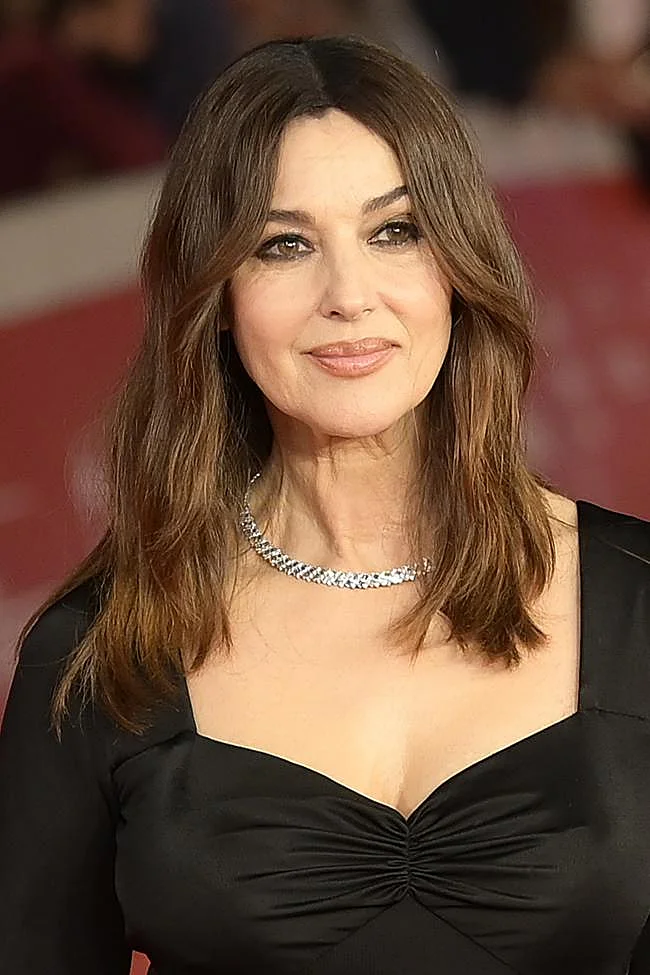
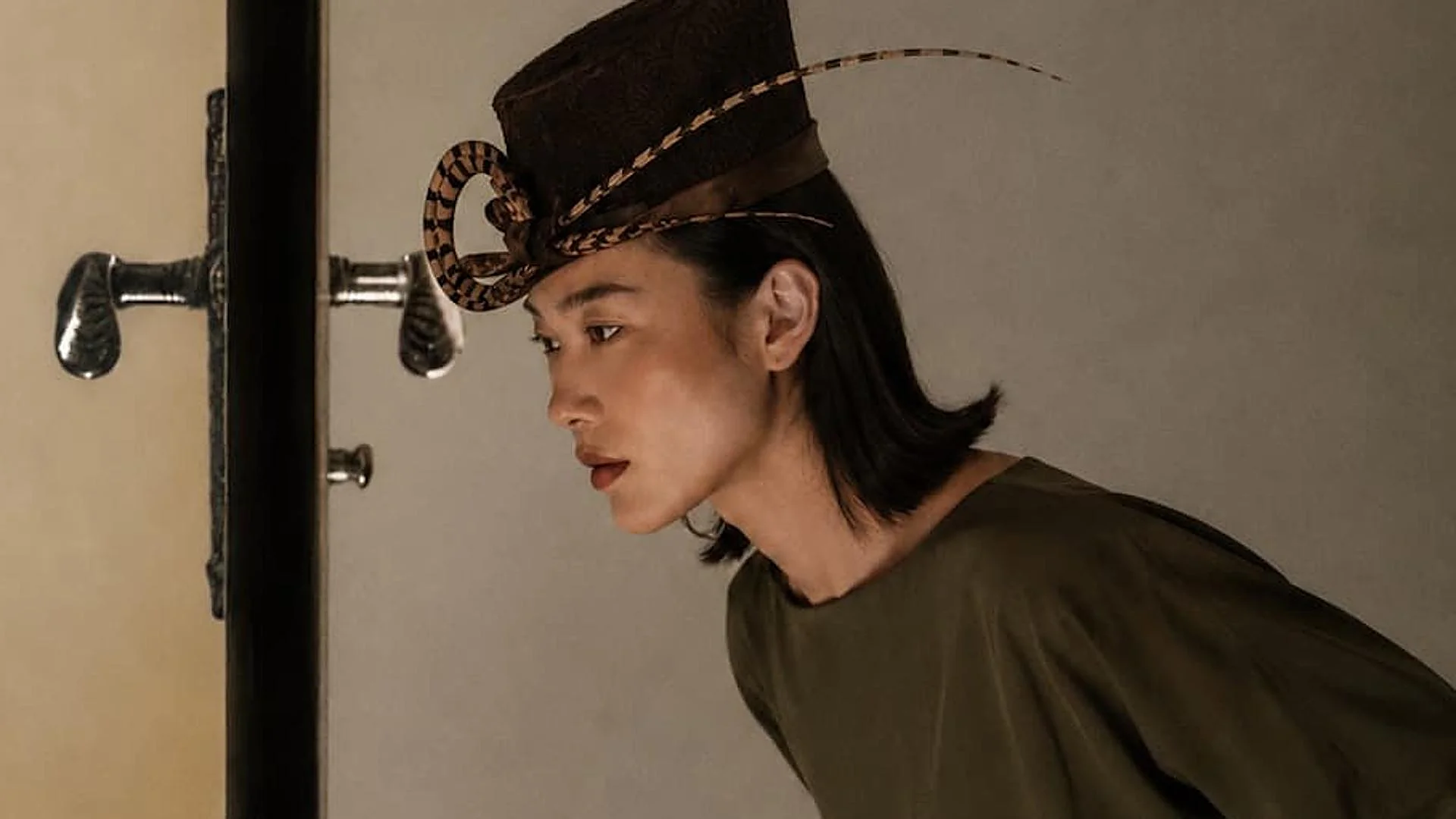
Mónica Belluci.
That means choosing suitable products, not overusing formulas that are too cleansing, and paying attention to small daily gestures. For example, washing with water that is too hot can remove the scalp’s natural lipids, promote dehydration, and increase frizz. Sometimes, lowering the water temperature a bit already helps improve the appearance of the mane.
Conditioner is no longer optional
With age, conditioner ceases to be a secondary step and becomes a staple. It helps seal the cuticle, makes styling easier and reduces breakage, something especially important when hair is finer or more brittle.
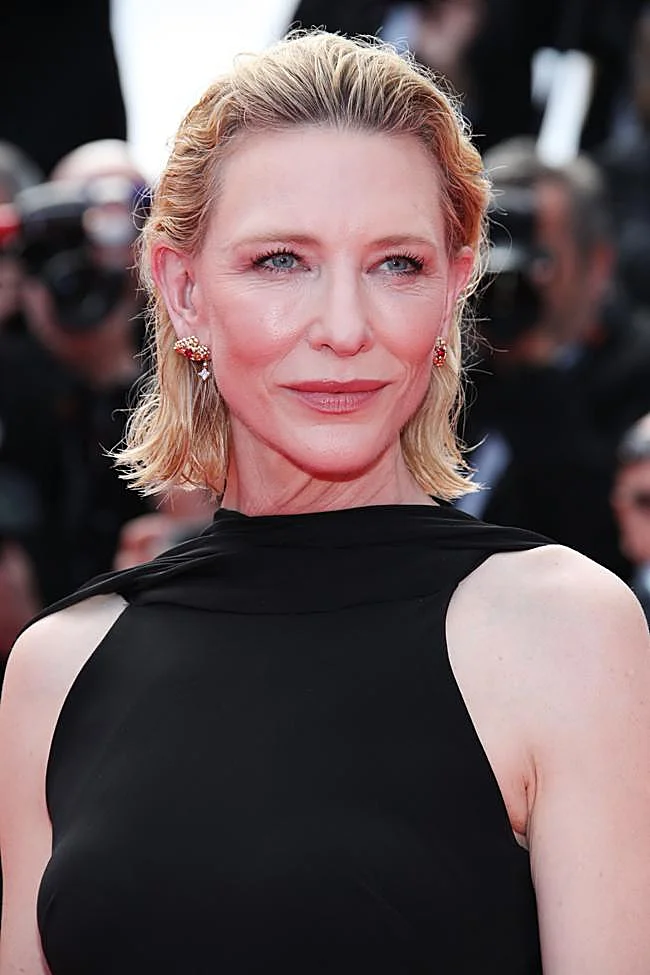
Cate Blanchett.
That said, nourishing doesn’t mean saturating. Fine hair needs nourishment, but without losing movement. More product does not mean better results, warns Javier Mateo. Therefore, in hair with low density it’s advisable to apply masks and oils only from mid-length to the ends, avoiding the roots to not weigh down or lose volume.
Summer worsens the problem if we don’t protect the hair
In summer, mature hair needs even more care. UV radiation damages the cuticle, alters the color, promotes moisture loss and can make the hair look duller and rougher. “We protect our skin from the sun, but we forget about the hair. Today there are very lightweight hair protectants that help a lot to preserve the shine and the quality of the fiber,” says the expert.
He also recommends rinsing the hair with fresh water after swimming in the sea or pool. Staying for hours with salt or chlorine residue can increase dryness, alter the color and leave the mane stiffer and harder to comb.
The cut must also adapt
The change in routine not only has to do with the products. The cut can also make a huge difference. When hair density decreases, very long and compact manes can flatten the root and accentuate the feeling of hair that is thin or shapeless.
“The cut stops being just an aesthetic issue. It can provide optical volume, soften features and rejuvenate without artifices,” explains Mateo. Among the options that flatter most are midi-length mantles with invisible layers, jaw-length or clavicle-length bobs, the inverted bob, the modern shag, or the bixie.
Another common mistake is thinking that gray hair limits options. Gray hair tends to become more porous and change texture, but that does not mean giving up style. “Gray hair needs movement. When the cut has shape and lightness, the gray becomes something sophisticated and elegant,” the stylist notes.
In terms of color, it is also advisable to avoid tones that harden the features. Excessively cool blondes, ash or very uniform ones can wash out the face. Instead, honey, beige, vanilla or champagne tones tend to provide more light and dimension, and they also evolve better during the summer months.
The key is not to regain hair from your thirties
The objective, the expert insists, should not be to have hair like in your thirties, but to understand what the mane needs now. Adapting the shampoo, using conditioner, protecting from the sun, choosing the right cut and not saturating the hair with overly heavy products can completely change its appearance.
“Beauty today has a lot more to do with supporting what the hair needs than fighting the passage of time. Healthy hair, with movement and well-groomed, always looks more flattering than chasing a frozen-in-time image,” concludes Javier Mateo.