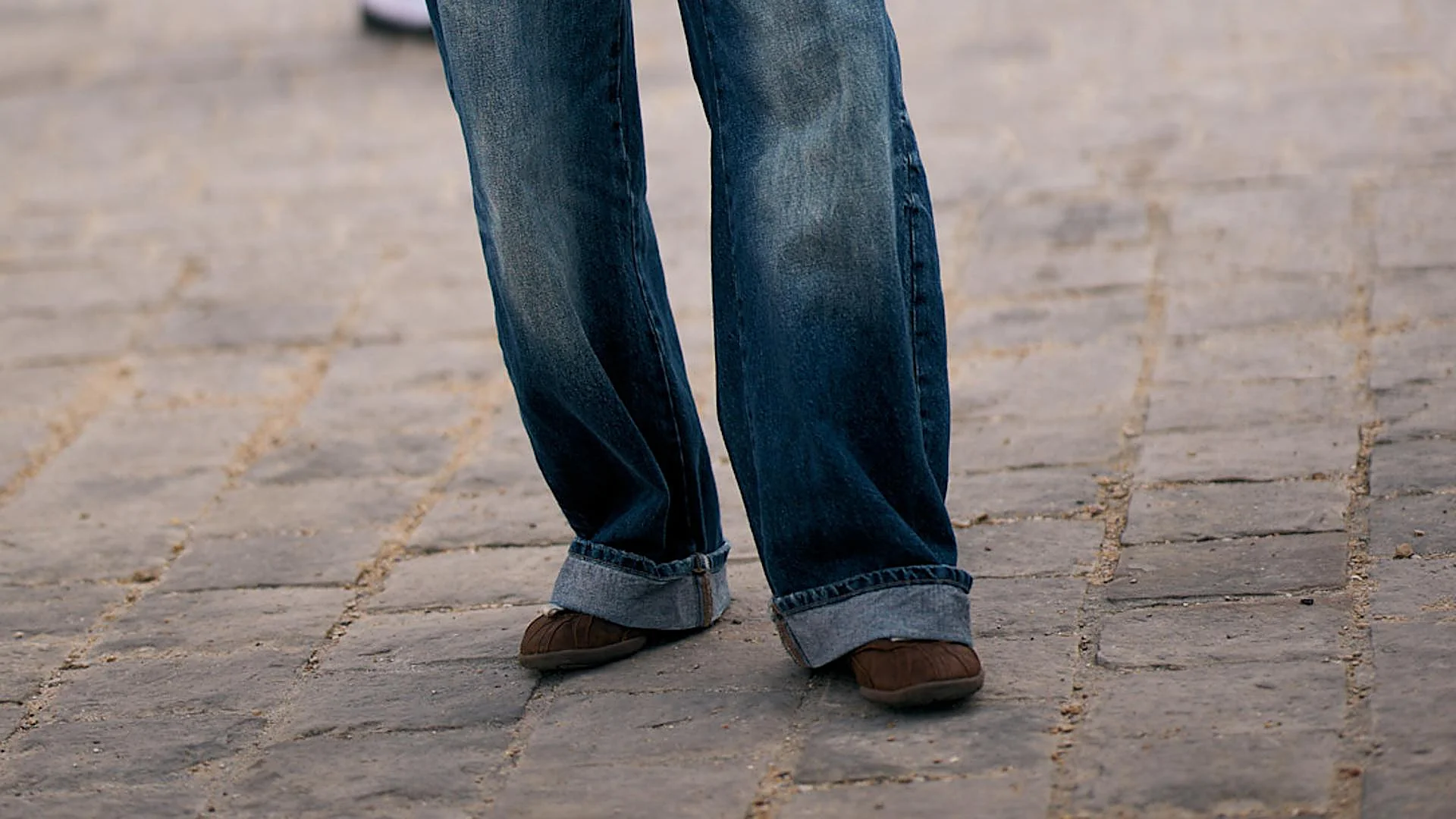
There are details of clothing that we see every day but pay little attention to. One of them is the small metal buttons that jeans have at the corners of the pockets. They have been there for more than a century, and, although many people think they are simply decorative, they actually perform a fairly important function.
Jeans have achieved something that few garments manage: to survive decades changing shape, color, and style while remaining in fashion. It doesn’t matter if they are straight, baggy, dark, or distressed; there is always a pair of jeans that comes back into fashion. And, curiously, almost all of them keep the same original details with which they were born.
The rivets have been part of jeans for so long that most people hardly notice them anymore. They are in almost all models, regardless of brand or style, but very few people actually know what they are for or why they stay there after so many years.
What rivets are really for
These small metal buttons began to be incorporated into denim pants out of necessity. In the 19th century, workers who wore denim jeans — miners, farmers, or carpenters — constantly complained about the same thing: the pockets tore very quickly. The fabric couldn’t withstand the weight of the tools and utensils they kept inside.
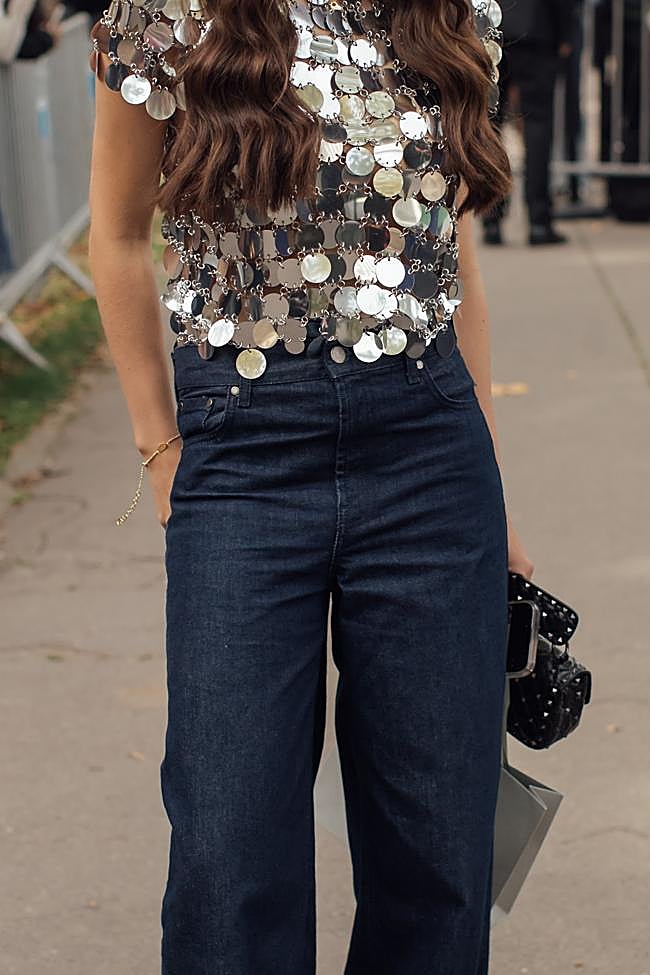
The rivets on jeans
It was then that Jacob Davis, an American tailor, came up with the solution: placing small metal rivets in the areas where the pants endured more tension. The result worked so well that, in 1873, he decided to patent the invention together with Levi Strauss & Co., giving rise to the first jeans as we know them today.
The curious thing is that something created solely to make clothing more durable ended up becoming a hallmark of fashion. Rivets withstood the passage of years, trends, and the evolution of denim. Even now, when fabrics are much more durable, they continue to be part of the classic design of any pair of jeans.
In fact, many brands keep them more for tradition and aesthetics than out of necessity. They are small, discreet, and almost go unnoticed, but without them jeans probably wouldn’t have that authentic and recognizable look that characterizes them.
There’s also something interesting about how such a functional detail ended up being so iconic. Fashion tends to turn practical objects into cultural symbols, and rivets are a perfect example. What began in workwear ended up on runways, editorials, and wardrobes around the world.
Today jeans are a basic wardrobe staple that go with practically everything, but they retain small elements that recall their working-class origin. Rivets are one of them: a tiny piece that has been resisting fashions, changes, and generations for more than 150 years.