Stressed skin is a mechanism of the body that reflects the pressure we are under. Factors such as the fast-paced lifestyle, the lack of rest, pollution or even an unbalanced diet disrupt the skin’s natural balance, weakening its barrier function. As a result, it becomes more reactive, loses radiance and may present signs of fatigue such as tightness, dehydration or increased sensitivity.
This skin stress not only responds to external aggressions, but also to internal processes linked to the rise of cortisol, the well-known stress hormone. Its continuous release promotes inflammation, excess sebum production and a reduced capacity for cellular regeneration. The result is skin more prone to imperfections, pimples, redness and premature aging, evidencing that emotional and physical well-being are closely linked to skin health.
Stress and pimples on the skin
Why can stress cause pimples on the skin? We typically associate pimples with adolescence, but on more mature skin they can appear for various reasons. Dr. Cristina García Millán, expert in sensitive skin and aesthetic dermatology, and medical director of Esthea Médica clinic, explains that «acne is an inflammatory disease of the pilosebaceous apparatus, which responds to a dysfunction of this skin unit». The professional notes that for its development the factors involved are the «hyperproduction of sebum, the alteration in follicle renewal», bacterial proliferation and inflammation.
These are not the only factors influencing acne occurrence; Dr. Górriz, deputy head of the Aesthetic Medicine unit at IMR, mentions «hormonal factors, unsuitable cosmetics or habits such as stress and lack of sleep». Focusing on stress, the appearance of these pimples comes from «the increase of cortisol, which favors sebum production and skin inflammation». The professional notes that it also «alters the skin microbiota and can worsen conditions such as acne or rosacea». Additionally, Dr. García Millán considers that outbreaks can even be triggered in skins that are normally stable.
Characteristics and care for stressed skin
Beyond pimples, what characterizes stressed skin? Often we may think what we are experiencing is a hormonal flare, when what is really happening is that our skin is asking for help because it is stressed. Dr. García Millán describes stressed skin as one that «presents dehydration, sensitivity, dull tone» and tendency to irritation. She notes that «it is common for outbreaks of acne, redness or greater reactivity to products that were previously tolerated well».
Therefore, when we detect these symptoms, we should pay attention to our skincare routine. Dr. Górriz lists the main care steps we should give to the skin. From «simplifying the routine» to «prioritizing reparative and anti-inflammatory actives» such as niacinamide, panthenol or ceramides. She also recommends «maintaining gentle cleansing, introducing actives gradually and caring for systemic factors such as rest, diet and stress management». Dr. García Millán mentions the steps she considers perfect for this type of skin: «gentle cleansing, proper hydration and daily sun protection».
And indeed, although we might think it impossible, the overuse of actives can also stress our skin. In Dr. Górriz’s words this is usually «the excessive use of retinoids, exfoliating acids or vitamin C in high concentrations» without proper adaptation. This, as the professional explains, leads to «a disruption of the skin barrier, inflammation and, paradoxically, more breakouts». Therefore, she concludes that in these skins «less is more: repairing the skin is the first step to improve it». Another factor that can lead to stressed skin is «the simultaneous use (usually by layering) of actives such as alpha-hydroxy acids, retinoids or vitamin C, which can alter the skin barrier, generating irritation, sensitivity and eczema outbreaks» according to the medical director of Esthea Médica.
Warnings to avoid stressing the skin
In addition to following these tips within the routine, we can prevent our skin from becoming stressed by following these guidelines. Dr. García Millán recommends «avoiding excessive use of exfoliating products or aggressive treatments», as well as constantly changing cosmetics. She warns against «over-cleansing the skin» or «using products that are too astringent». Dr. Górriz agrees and mentions that it is important «to avoid constant routine changes and cosmetics not suited to your skin type».
Products to reduce your skin’s stress
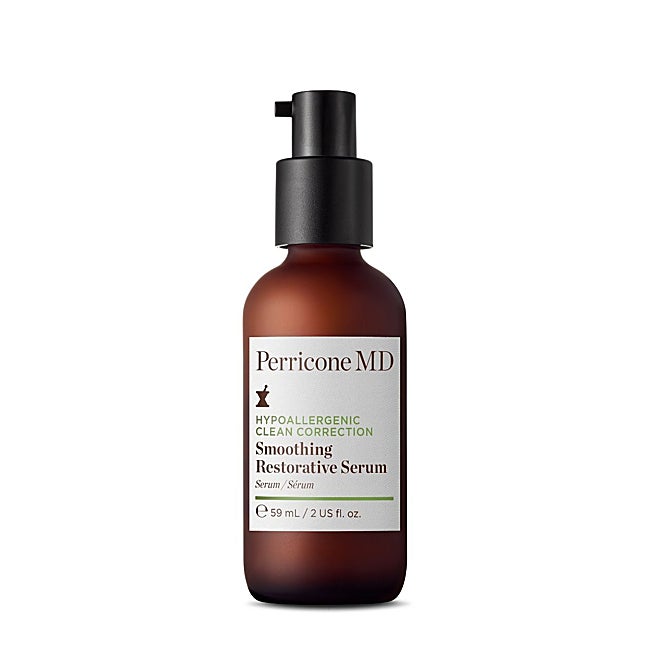
Smoothing Restorative Serum by Perricone MD.
Perricone MD
Smoothing Restorative Serum is a product designed for sensitive and stressed skin. It calms, firms and brightens thanks to its formula with bakuchiol and niacinamide. (102 euros)
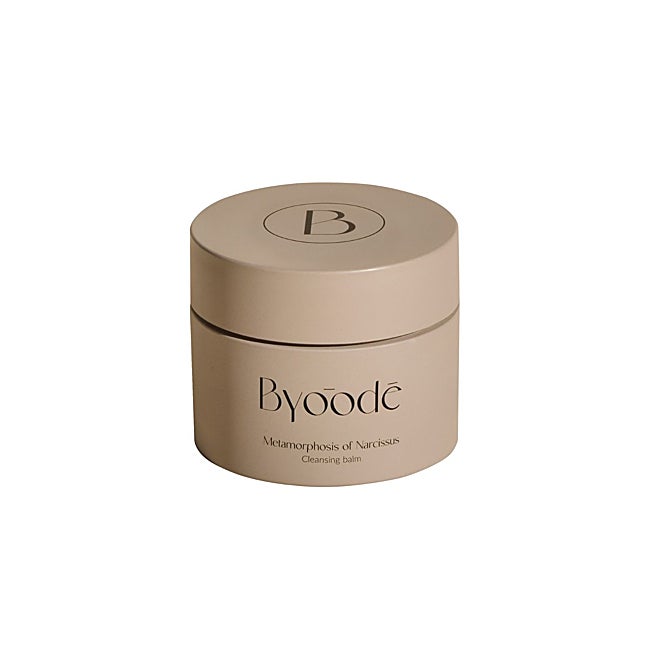
Metamorphosis of Narcissus by Byoode.
Byoode
Cleansing our skin is also important when avoiding stress. Metamorphosis of Narcissus is a balm that gently removes impurities. It is formulated with black sesame, which reduces the appearance of pimples. (39 euros)
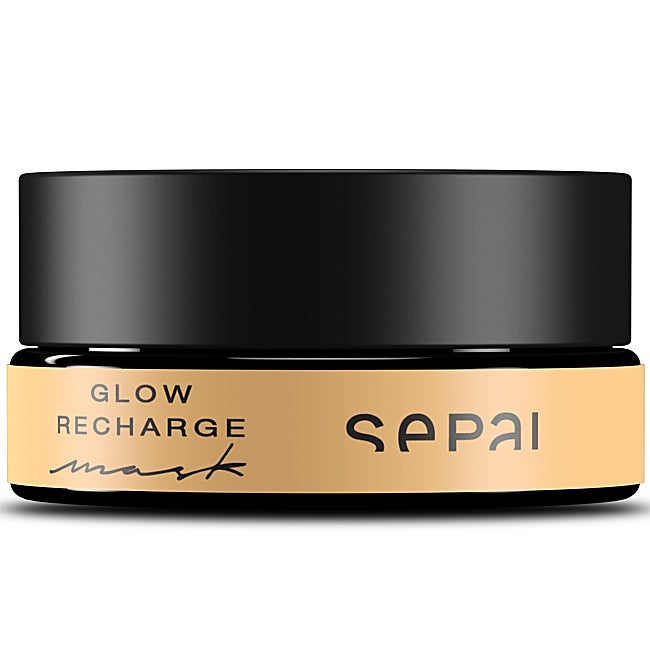
Glow Recharge by Sepai.
Sepai
Glow Recharge activates the skin’s radiance while revitalizing it, two of the main signs of stressed skin. (77 euros)
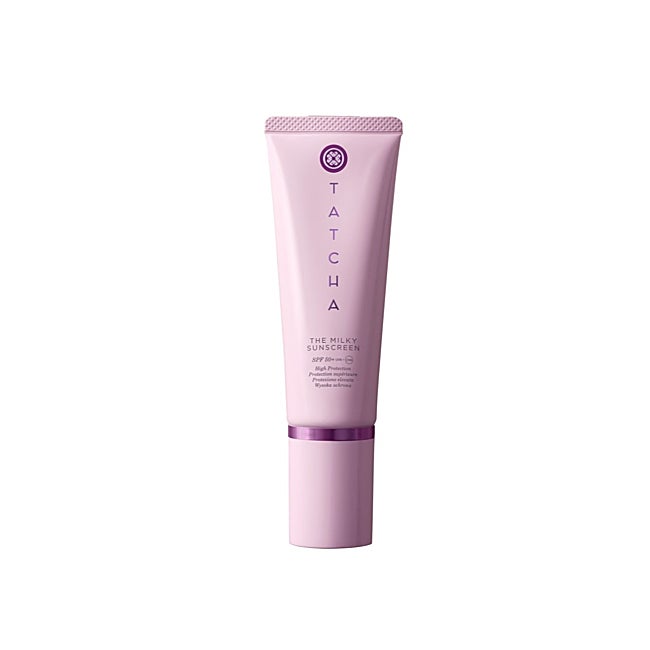
The Milky Sunscreen by Tatcha.
Tatcha
The Milky Sunscreen is an SPF50+ protector with a light texture that protects the skin and improves the appearance of redness and expression lines. It provides calm and comfort, making it perfect for stressed skin. (Available at Sephora, 55 euros)
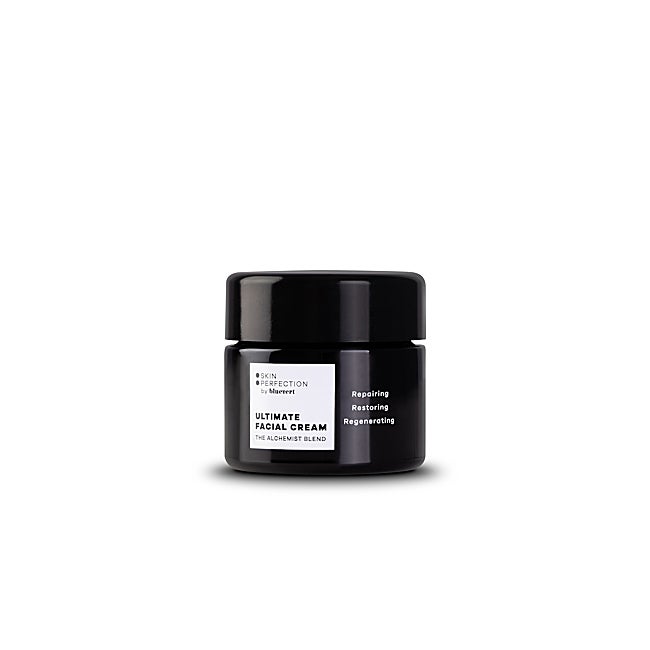
Ultimate Facial Cream by Bluevert.
Skin Perfection by Bluevert
Ultimate Facial Cream is a moisturizing cream that combines ceramides, hyaluronic acid and niacinamide in its formula. It strengthens the barrier function while including reparative and regenerating agents if the skin is damaged. (68 euros)
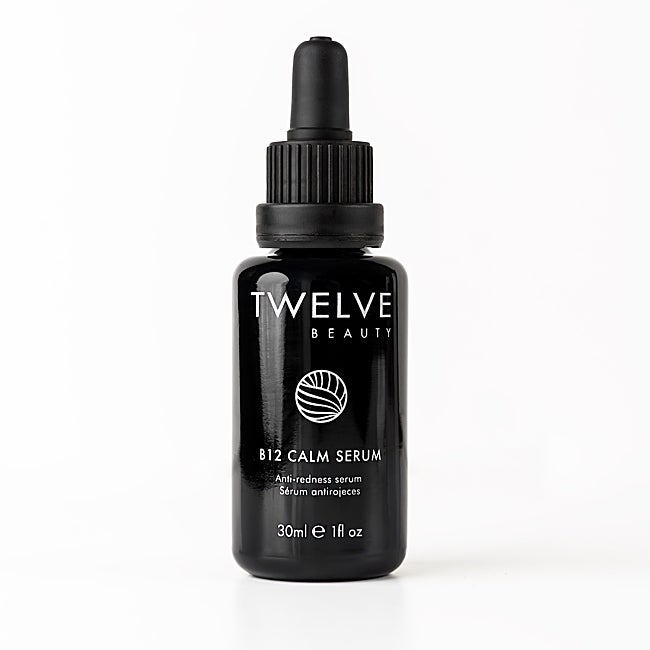
B12 Calm Serum by Twelve Beauty.
Twelve Beauty
The B12 Calm Serum contains vitamin B12 in its formula, a calming active that helps reduce skin redness. It also evenes out tone, while relieving tightness and calming irritation. (68 euros)